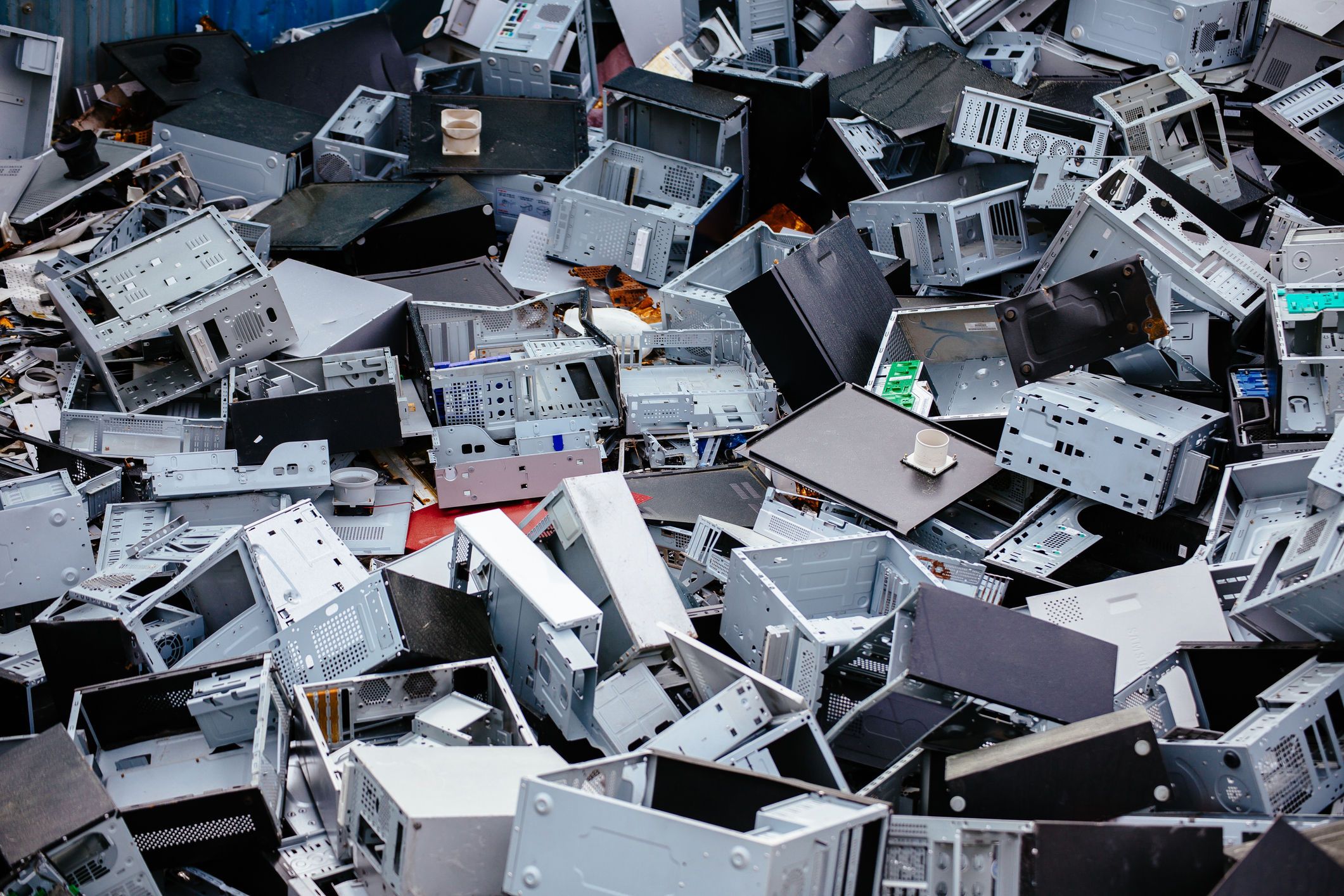
South Korea’s massive exports to China of scrap steel, which increased 17-fold on-year to 28,089 tons in April, and of 8,759 tons of scrap copper, up 14-fold on-year, are hurting its domestic companies that are struggling to secure the steelmaking raw materials.
In the first four months of this year, South Korea’s scrap steel exports to China also rose threefold to 47,247 tons from the previous year, and scrap copper increasing sevenfold on-year to 15,804 tons.
The supply and demand imbalance for scrap metals caused by South Korea’s massive exports to China is dealing a blow to small and medium-sized firms in Korea that cannot secure enough scrap steel for manufacturing.
South Korean industry officials said their government should work out measures such as limits on scrap exports and lower tariffs on scrap metal imports.
China’s steel demand in the first quarter increased 15 percent on-year on the back of its government’s economic boosting measures.
It increased 9 percent on-year in 2020.
The Chinese government’s efforts to reduce carbon emissions are also contributing to its heavy scrap imports as scrap metal melting at furnaces for recycling generates smaller quantities of greenhouse gases, analysts said.
Due to a shortage of raw materials, Chinese scrap importers are purchasing Korean scrap at a premium.
The Chinese are importing 6-millimeter-thick steel scrap at around 600,000 won per ton earlier this week, 10 to 20 percent higher than those sold in South Korea.
Local copper scrap prices recently increased to the same levels.
In South Korea, the wholesale price of scrap steel rose to 470,000 won per ton as of May 21, compared to 260,000 won last year.