


 Gold Prices Fall Amid Rate Jitters; Copper Steady as China Stimulus Eyed
  RBA Hikes Interest Rate to 4.60% as Inflation Risks Rise
  FxWirePro: Daily Commodity Tracker - 21st March, 2022
  Australia Consumer Confidence Plunges as RBA Rate Hike Hits Households
  BOJ Raises Interest Rate to 31-Year High as Yen Weakens
  Fed’s Hammack Says Bond Yield Surge Is Not Driven by Inflation Fears
  Trump Demands Powell Resign Over Fed Renovation Cost Overruns


 Add as a preferred source on Google
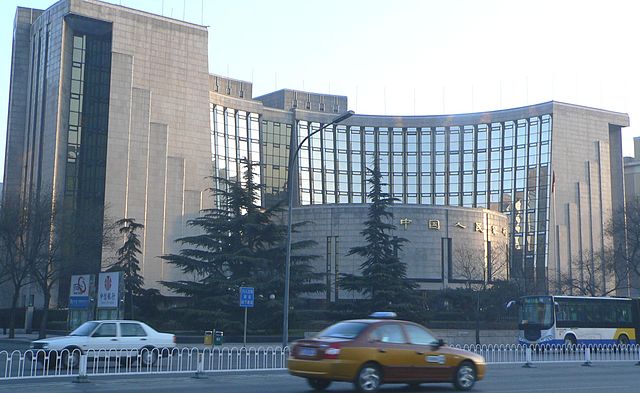
The People's Bank of China (PBoC) has injected 130 billion yuan ($20 billion) in funds into the financial system in order to ease concerns after Monday's market shock.
The decision was made after Chinese stocks dropped 7%, triggering a halt in trading on the Shanghai stock exchange and sparking a global sell-off of stocks.
Markets fell the most in four months. The Shanghai Composite index dived 6.85% to 3,296.66, while the Shenzhen Composite plummeted 8.19% to 2,119.90.
Caixin China General Manufacturing PMI measure edged down to 48.2, compared to a reading of 48.6 in November, well below the 50-point level that separates growth from contraction.
Chinese economic growth fell to 6.9% in the third quarter, falling below 7% for the first time since the financial crisis in 2008-2009. This is in stark contrast to the double digit gains recorded when the economy in the country was picking up.
It is assumed the central bank will continue its easing, as fears over the slowdown in the country take hold. The sell-off and subsequent triggering of the circuit-breaker came after Chinese factory data disappointed.







