


 Trump Says US Army Base in Poland Talks Make Progress
  Paris Talks Focus on Lebanon Army Needs as UNIFIL Exit Looms
  29 US states are suing Meta. What might it mean for the rest of the world?
  Kim Yo Jong Warns of Stronger Response to US-Led Military Drills
  OpenAI Rejects Apple Trade Secret Theft Claims
  Sara Duterte Posts Bail Over Grave Threats Case
  Amazon Shares Fall as FTC Plans Ad Pricing Lawsuit
  ICE Agent Arrested in Minneapolis Over Venezuelan Man Shooting
  Maduro Seeks Dismissal of US Drug Trafficking Charges
  Iran Economic Crisis Forces Afghan Families to Return Home
  Vietnam, U.S. Firms Plan 29 Deals Across Energy, Tech and Aviation
  Pentagon Restarts Testosterone Testing for US Troops
  Trump Threatens EU Tariffs Over Canada Membership Proposal
  Trump Eyes End to Iran War, Plans Gulf Leaders Meeting
  Ecuador Court Convicts Ex-President Lenin Moreno in Bribery Case
  California Seeks Paramount Divestitures in Warner Bros. Merger
  Yemen Fighting Threatens Red Sea Oil Routes


 Add as a preferred source on Google
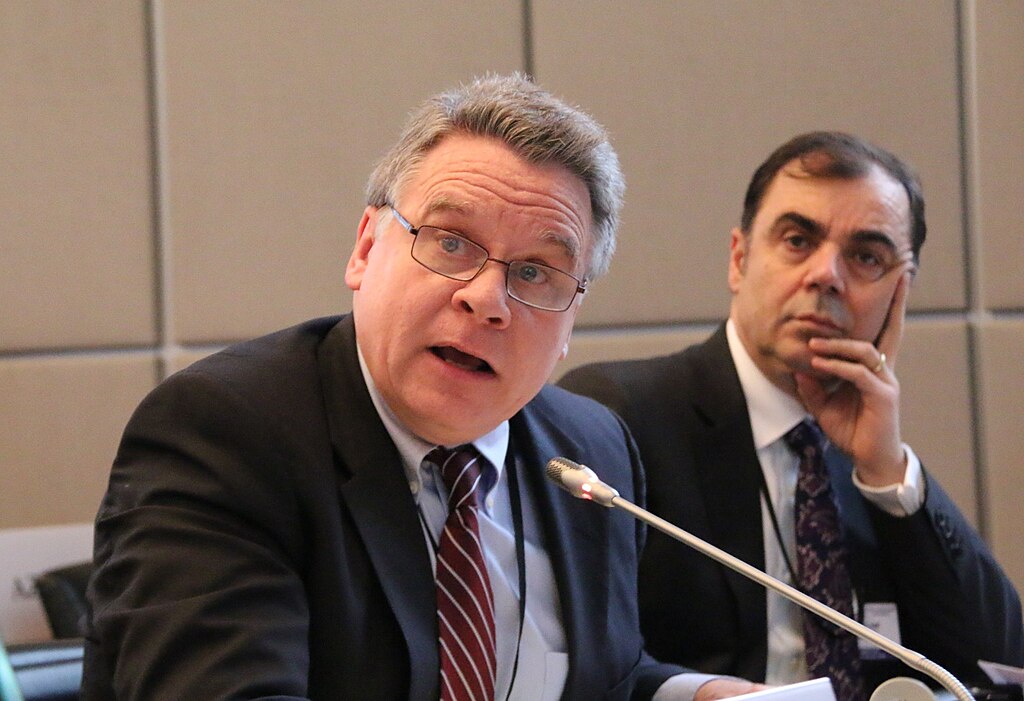
Rep. Chris Smith (R-N.J.) is preparing to introduce new legislation that would grant local police the authority to take down drones posing potential safety or security risks. Smith’s proposal comes amid rising public concern over the misuse of drones, particularly in restricted or sensitive areas, as sightings increase across the United States.
The legislation would expand powers for local law enforcement, allowing them to identify, disable, and intercept drones that violate regulations or endanger public safety. Current laws heavily restrict such actions, with most enforcement powers limited to federal agencies like the Federal Aviation Administration (FAA).
“This bill aims to provide local police with the tools they need to respond to drone threats effectively,” Smith said in a statement. “We are seeing a sharp rise in unauthorized drone activity, and law enforcement must be empowered to keep our skies safe.”
Drone Threats and Law Enforcement Challenges
The increased use of drones has sparked widespread concern among lawmakers and residents alike. While drones serve valuable purposes in industries like agriculture, construction, and search and rescue, unauthorized usage near airports, military bases, and public gatherings has led to calls for stricter enforcement.
Currently, law enforcement agencies are often limited in their ability to respond to rogue drones. Many local police departments rely on federal authorities to manage unauthorized drone activity, which can delay response times and complicate enforcement.
Smith’s proposal seeks to close that gap, giving local departments the ability to take immediate action against drones operating unlawfully. Supporters of the bill argue that empowering local police is a necessary step to address safety concerns.
“Drones can disrupt flights, endanger people on the ground, and compromise security,” said aviation safety expert Linda Roberts. “This legislation would help ensure that police can respond quickly to potential threats.”
Critics, however, warn that the bill could lead to overreach and unintended consequences. They argue that drone operators must still be afforded due process and that improper takedowns could cause property damage or violate rights.
Public Reaction Mixed as Debate Grows
News of Smith’s proposed legislation has ignited debate on social media, with users divided over whether local police should be empowered to take down drones.
User @SafeSkiesNow wrote, “This is long overdue. Rogue drones near airports and stadiums are a huge safety risk.”
On the other hand, @DroneHobbyistUSA argued, “This will hurt responsible drone pilots. Police should focus on real crime, not overreact to drones.”
Supporter @LawAndOrder2024 tweeted, “Local police need these tools. Waiting for the feds to act isn’t working.”
Meanwhile, @TechRightsFirst posted, “Takedowns could lead to accidents or property damage. This bill needs serious oversight.”
User @ClearTheSkies added, “Drones are everywhere now. Giving police the power to stop illegal ones makes total sense.”
Conversely, @PrivacyMattersUSA commented, “This could lead to abuse of power. Police shouldn’t have the right to shoot down drones.”
What Happens Next for Smith’s Legislation?
Smith’s bill is expected to face rigorous debate in Congress, where lawmakers will weigh public safety against concerns over privacy and drone operator rights. If passed, the legislation could mark a significant shift in how unauthorized drone activity is addressed at the local level.
As drone usage continues to grow, the proposal highlights a critical need to balance technological innovation with safety and security. For now, stakeholders on both sides of the issue are watching closely to see how Congress moves forward.







