


 Europe can’t achieve space sovereignty alone. Here’s why
  Australia Tightens Student Visa Rules, Targets Migration Cut by 2028
  Ukraine Races to Counter Russia’s Faster Jet-Powered Drones
  FDA Weighs Safety Standards for Psychedelic Therapies
  Trump Grants Clemency to Jay-Z Associate Emory Jones
  US Confirms Weapons in Orbit as Space Tensions Rise
  UK PM Andy Burnham Set for First Trump Meeting in New York
  Japan, U.S. Discuss $19 Billion GlobalFoundries Chip Plant
  Trump Eyes End to Iran War, Plans Gulf Leaders Meeting
  Countries Tighten Social Media Bans for Children
  Google Changes EU Spam Policy Amid Antitrust Scrutiny
  US Bans Canadian Alcohol, Motorcycles as Trade War Escalates
  US Resumes Immigrant Visa Processing for Hungary, Poland
  Texas Republicans Turn Against AI Data Centers as Election Backlash Grows
  U.S. Imposes New Visa Restrictions Over South Africa Policies
  US Officials Meet Houthis in Oman Amid Yemen Offensive
  Ovechkin Faces Scrutiny Over United Russia Campaign Video


 Add as a preferred source on Google
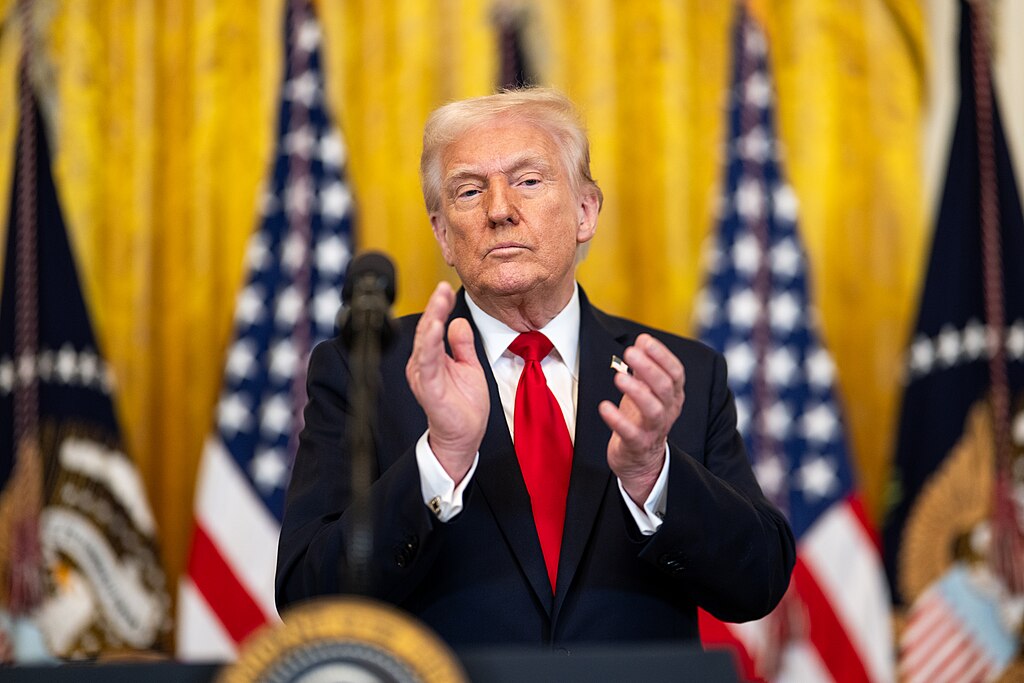
The administration of U.S. President Donald Trump announced the creation of a new division within the U.S. Department of Justice aimed at combating what the White House described as widespread and systemic fraud across the United States. According to an official statement, the newly established national fraud enforcement division will focus on investigating and prosecuting fraud that targets federal government programs, federally funded benefits, businesses, nonprofit organizations, and private citizens.
The White House said the initiative is designed to address what it called a “rampant and pervasive” fraud problem, emphasizing the need for stronger federal oversight and enforcement. The assistant attorney general appointed to lead the division will oversee major fraud investigations nationwide and advise the U.S. attorney general and deputy attorney general on high-impact cases and related policy decisions.
However, the move has drawn criticism from civil rights groups, immigration advocates, and political opponents. Critics argue that the Trump administration has frequently used allegations of fraud as a political tool to justify stricter immigration enforcement and to target Democratic-led states and political adversaries. They have also questioned the administration’s credibility on fraud enforcement, citing past presidential pardons granted to individuals convicted of fraud-related crimes.
In recent weeks, the administration has focused particular attention on Minnesota, alleging extensive fraud within welfare and social service programs and linking those claims to immigrant communities. Officials have repeatedly criticized the state’s Somali community, the largest in the United States. Advocacy groups contend these claims exaggerate isolated incidents and amount to federal overreach that unfairly stigmatizes immigrant populations.
The announcement follows an earlier decision by the administration to freeze more than $10 billion in federal childcare and family assistance funding to California, Colorado, Illinois, Minnesota, and New York, citing fraud concerns. Those states have since filed lawsuits challenging the funding freeze. More broadly, the administration has threatened to cut federal funding to states and organizations over issues including alleged fraud, diversity initiatives, and pro-Palestinian campus protests related to Israel’s war in Gaza.
The creation of the DOJ fraud division underscores the administration’s hardline approach to federal oversight, even as debate continues over its motives and potential consequences.







