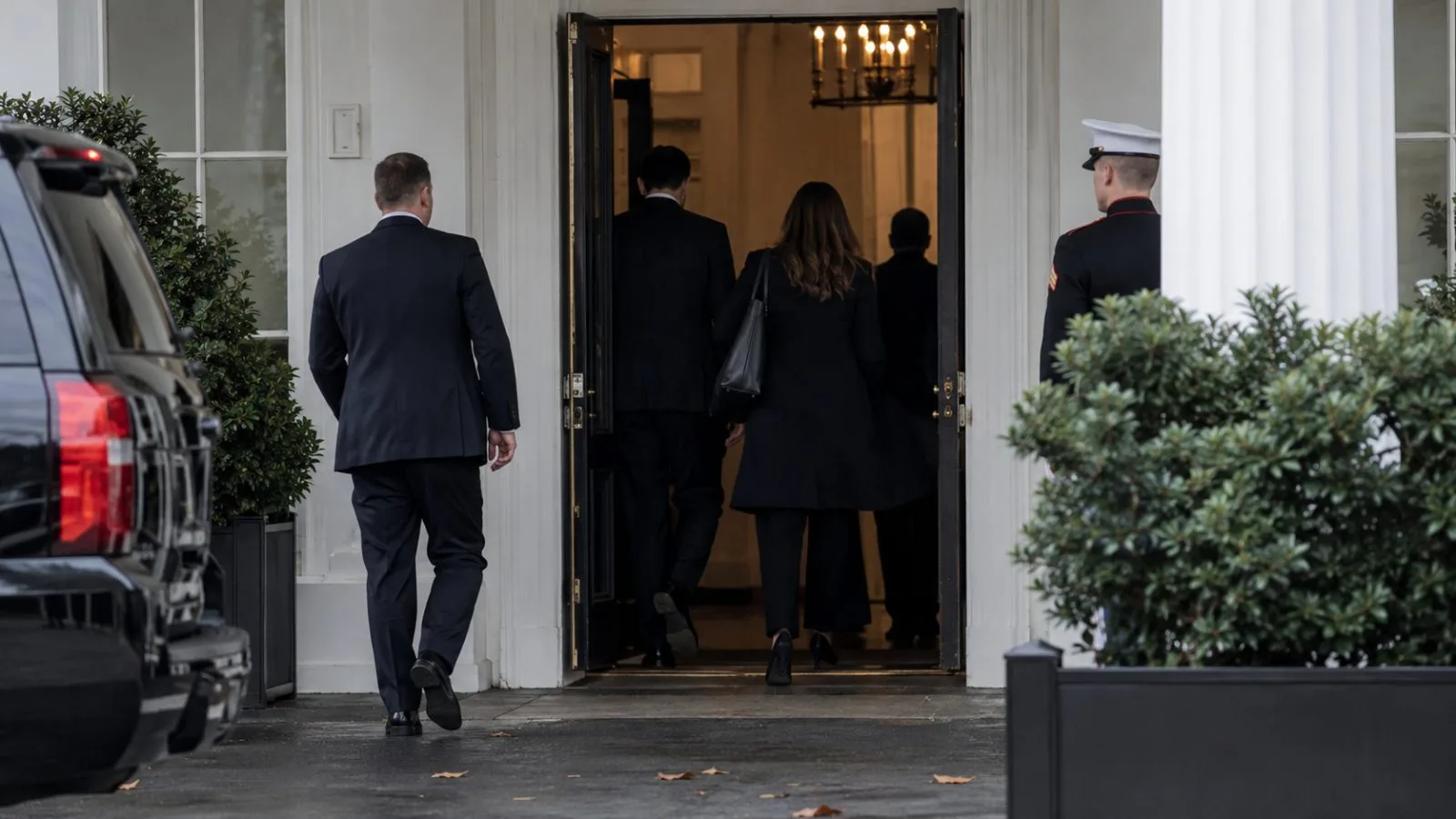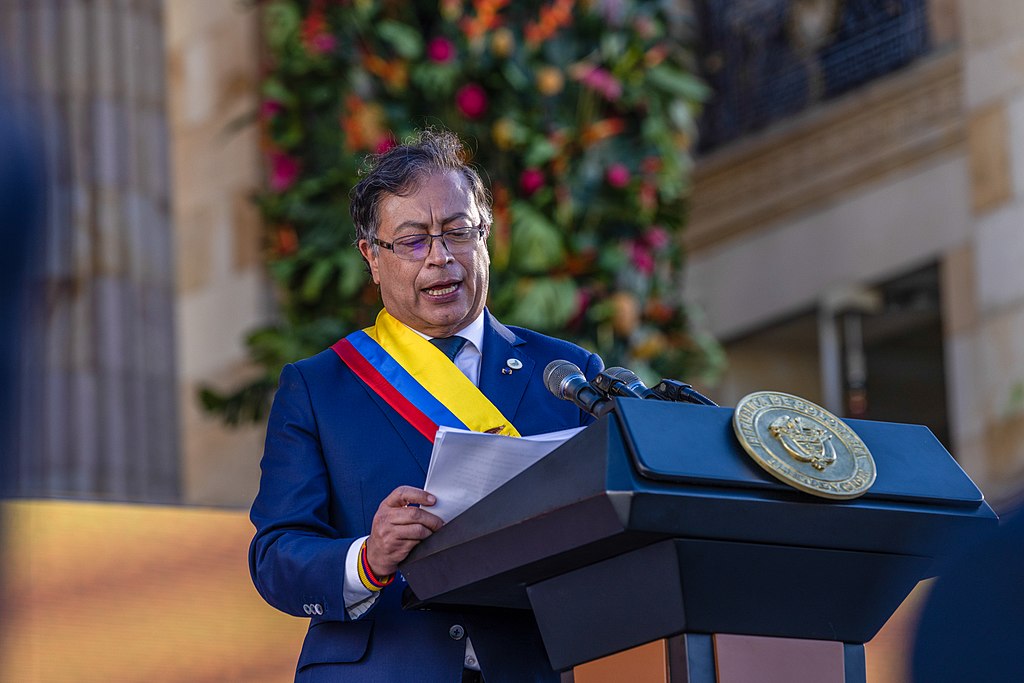
U.S. President Donald Trump and Colombian President Gustavo Petro held a phone call on Wednesday afternoon, marking their first direct conversation since Trump returned to the White House. The call comes at a sensitive moment in U.S.–Colombia relations, which have been strained by sharp rhetoric, sanctions, and disagreements over drug trafficking and regional security.
Both leaders confirmed the discussion publicly. President Trump said the call was initiated by Petro and described it as constructive. Writing on social media, Trump stated that it was an “honor” to speak with the Colombian president, adding that Petro explained concerns related to drug trafficking and other disputes between the two countries. Trump noted he appreciated Petro’s tone and revealed that arrangements are underway for a potential meeting in Washington, though no timeline has been announced.
President Petro also acknowledged the call while speaking to supporters at a rally in Bogotá celebrating Colombia’s sovereignty. He described the conversation as the first phone call between the two leaders since Trump assumed office and said he requested a renewed dialogue between Washington and Bogotá. A source from Petro’s office told Reuters the exchange was cordial and respectful, signaling a possible thaw in diplomatic relations.
The phone call follows controversial remarks by Trump earlier this week, when he said a U.S. military operation targeting Colombia’s government “sounds good,” intensifying concerns in Bogotá. Trump has repeatedly accused Petro’s administration of allowing cocaine trafficking into the United States, claims Colombia strongly denies. On Sunday, Trump referred to Petro as “a sick man,” further escalating tensions.
Relations worsened in October when the U.S. government imposed sanctions on Petro, accusing him of enabling the expansion of the illicit drug trade. Petro and Colombian officials have consistently rejected these allegations. Meanwhile, Petro has openly criticized U.S. strikes in the Pacific and Caribbean, which Washington says target drug trafficking vessels. Since September, the Trump administration has conducted more than 30 such operations, reportedly killing at least 110 people.
The latest phone call may signal an effort by both governments to stabilize relations and reopen diplomatic channels amid ongoing disagreements over security, drug policy, and regional cooperation.