


 CK Hutchison Seeks $1.5 Billion From Panama Over Canal Ports
  Judge Blocks Trump Rule Limiting Foreign Student Visas
  Trump Eyes End to Iran War, Plans Gulf Leaders Meeting
  California Seeks Paramount Divestitures in Warner Bros. Merger
  Mahmoud Khalil Sues Columbia Over Alleged Pro-Palestinian Harassment
  FAA Allows Boeing to Sell 35 More 777F Freighters Beyond 2028
  Prince Harry, Elton John Ordered to Pay £9.54 Million in Daily Mail Legal Costs
  Nvidia-Groq AI Chip Deal Faces U.S. Antitrust Probe
  Paris Talks Focus on Lebanon Army Needs as UNIFIL Exit Looms
  Iran Economic Crisis Forces Afghan Families to Return Home
  Australia Plans New Rules Giving Users Control Over Social Media Feeds
  Maduro Seeks Dismissal of US Drug Trafficking Charges
  U.S. Issues Cuba Health Alert as Illnesses Rise
  France Urges Faster AI Push Despite Safety Risks
  OpenAI Rejects Apple Trade Secret Theft Claims
  US Judge Dismisses Imran Ahmed Deportation Lawsuit
  Vietnam, U.S. Firms Plan 29 Deals Across Energy, Tech and Aviation


 Add as a preferred source on Google
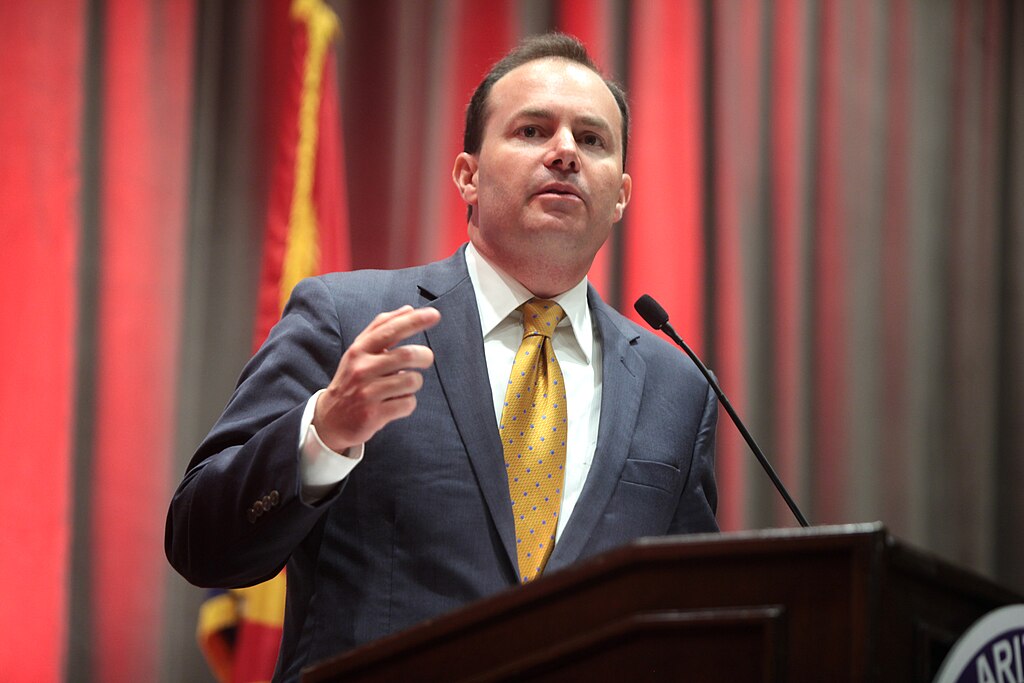
Sen. Mike Lee (R-Utah) has introduced new legislation aimed at preventing illegal immigrants from accessing public benefits, a move that has reignited fierce debate over immigration policy and government spending. Lee’s proposal seeks to tighten eligibility requirements for federal aid programs, ensuring only U.S. citizens and legal residents can receive assistance.
The bill, announced earlier this week, directly targets what Lee described as “an unfair burden on American taxpayers.” He argued that public resources should prioritize citizens and legal immigrants, particularly as the nation grapples with economic challenges.
“Taxpayer-funded benefits must go to those who are here legally,” Lee said in a statement. “This legislation protects hardworking Americans and ensures fairness in the system.”
While supporters of the bill view it as a necessary step toward fiscal responsibility and border security, critics argue that the proposal oversimplifies a complex issue and risks harming vulnerable individuals.
Key Points of Lee’s Legislation
The bill proposes barring illegal immigrants from accessing federal programs such as Medicaid, food stamps, and housing assistance. Lee emphasized that the legislation would include strict enforcement measures, requiring agencies to verify legal status before distributing benefits.
Proponents argue that the bill addresses concerns over rising federal expenditures, particularly in states experiencing a surge in migrant populations. They believe limiting access to public benefits will reduce incentives for illegal immigration.
“We are seeing unprecedented pressure on local and federal resources,” Lee said. “This is about protecting taxpayers while upholding the rule of law.”
However, immigration advocates warn that the bill could disproportionately impact families and children. They argue that many undocumented immigrants contribute to the economy and that restricting benefits could strain public health systems and increase poverty levels.
“Denying benefits doesn’t solve immigration issues—it creates new ones,” said immigration policy analyst Maria Castillo. “It’s a short-sighted approach that punishes entire communities.”
Public Reaction Divides Social Media
Sen. Lee’s legislation has sparked intense reactions on social media, with users expressing strong opinions both in support and opposition to the proposed bill.
User @AmericanTaxpayer wrote, “Finally, someone is protecting our tax dollars. Illegal immigrants shouldn’t receive benefits meant for citizens.”
Conversely, @JusticeForAll argued, “This is cruel. Denying basic support to people in need is not who we are as a nation.”
Supporter @SecureTheBorder posted, “Mike Lee is doing what every senator should—protecting America’s resources from exploitation.”
Meanwhile, @ImmigrantRightsUSA commented, “These policies harm children and families. Immigrants contribute far more than they take.”
User @StopWastefulSpending added, “Public benefits should go to Americans. Lee’s bill is common sense and long overdue.”
Lastly, @CompassionFirst responded, “Targeting immigrants won’t fix the system. This bill only fuels division and hardship.”
Legislation Faces Hurdles in Congress
The bill’s path through Congress remains uncertain, as Democrats and immigration advocacy groups are expected to strongly oppose the measure. Lee’s proposal reflects broader efforts by Republican lawmakers to address immigration and spending concerns, particularly ahead of upcoming elections.
Whether the bill gains traction or remains a symbolic gesture will depend on bipartisan negotiations and shifting political priorities. For now, Lee’s legislation highlights the ongoing tensions between border security, fiscal policy, and the human impact of immigration laws.
As the debate continues, the proposal has once again placed immigration at the center of national discourse, with lawmakers and citizens divided on how best to address the challenges.







