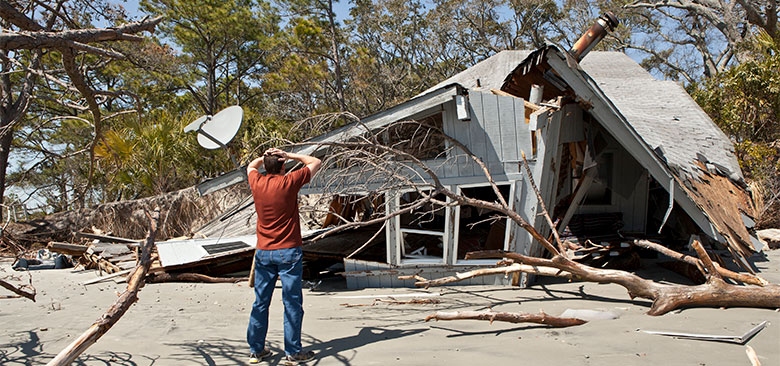
Climate change-driven events will propel a threefold surge in property insurance premiums over the coming two decades, according to a study published by Swiss Re.
These events include frequent and stronger weather, rising seas, and wildfires.
In its report for the annual Rendezvous September reinsurance industry gathering in Zurich, it said that premiums in property and casualty reinsurance combined would more than double to $4.3 trillion, those for property alone will almost triple.
Swiss Re, which provides insurance for other insurance companies, set out to forecast the major trends driving the sector until 2040.
At $1.3 trillion in 2040, property-related premiums, which account for about 25 percent in 2020, comprise 29 percent of all premiums collected.
Property premiums stood at around $450 billion in 2020.
With increasing city populations and growing wealth in emerging economies, more homes, power stations, and other infrastructure will need insurance.
Meanwhile, the share of premiums from motor insurance is expected to drop from around 42 percent in 2020 to around 32 percent in 2040.
Motor insurance premiums are forecast to double from $766 billion in 2020 to around $1.4 trillion.