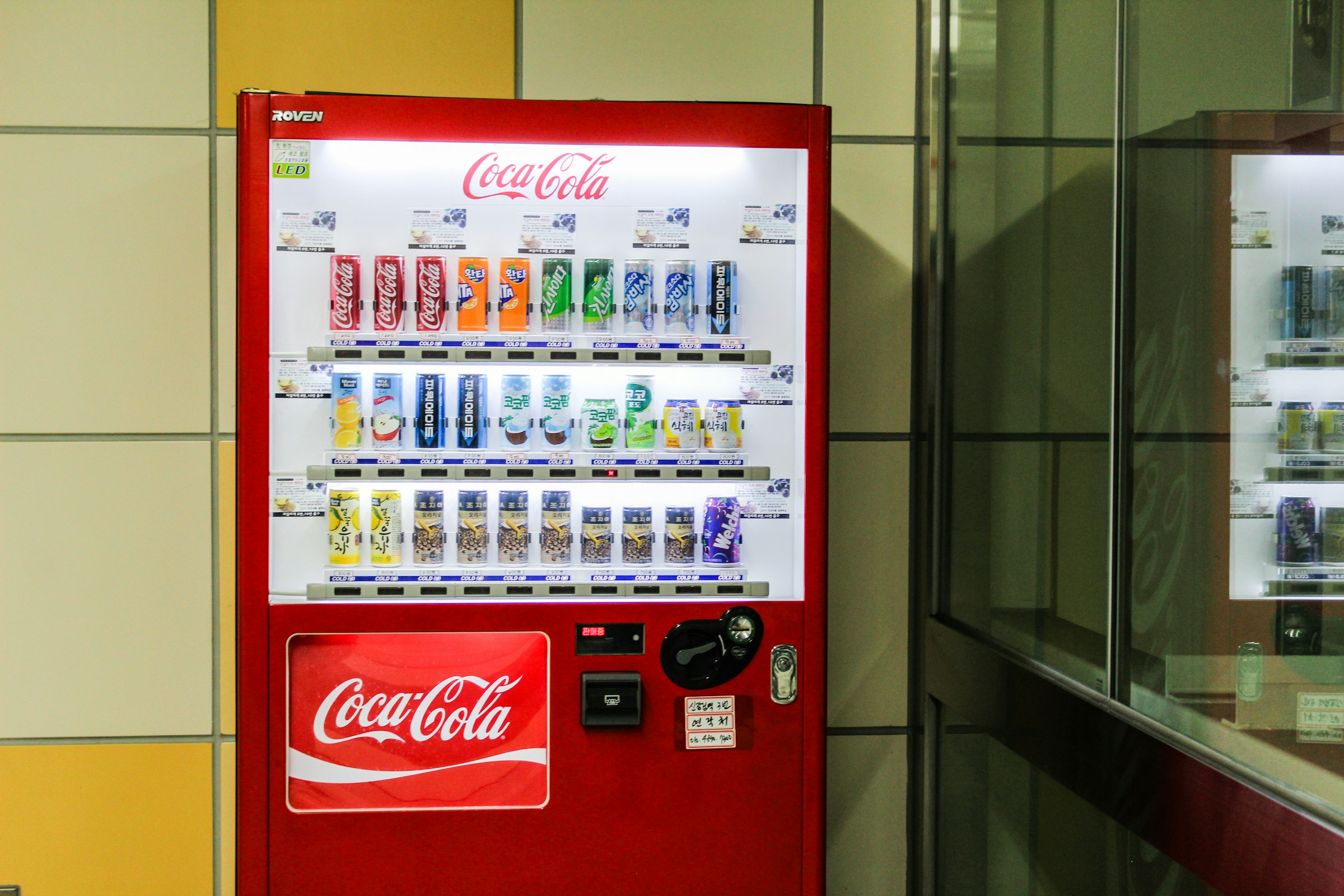
Coca-Cola is set to unveil its latest creation, the K-Wave flavor, as part of its limited-edition lineup in 36 countries globally, from Korea to the United States, France, Spain, Singapore, and Japan. This unique variant, categorized under the "Coca-Cola Creations" series, promises to bring a fresh twist to the beverage market.
Unique Flavor Inspiration
Described as a blend of "citrusy bias" in Korea and a "fantasy fruity" taste elsewhere, the K-Wave Coke variant aims to capture the essence of Coca-Cola Zero with a tropical twist, according to Korea Joongang Daily. Combining elements like peach, bananas, and candy, this flavor offers a unique, carbonated cocktail experience with a hint of traditional Coke Zero.
Coca-Cola's K-Wave flavor marketing strategy embraces K-Pop's global influence by partnering with top K-Pop groups to serve as brand ambassadors. The company aims to leverage the stars' widespread popularity to create buzz and appeal to a younger, trend-driven audience.
Forbes reported that alongside traditional advertising, the campaign would include social media challenges, limited-edition merchandise, and interactive pop-up events in major cities to generate excitement and engage consumers in a multisensory brand experience.
Availability and Consumer Reach
Set to hit the shelves in the spring, the K-Wave Coca-Cola will be available across various retail outlets, including convenience stores and supermarkets.
Additionally, Coca-Cola plans to use e-commerce platforms to make purchasing easier for fans worldwide. A limited-edition collector's package will also feature exclusive K-Pop merchandise to entice collectors and enthusiasts. This strategic move is anticipated to not only fuel sales but also foster a deeper connection with the brand's audience on a global scale.
Impact on the Beverage Industry
The launch of K-Wave Coca-Cola is expected to catalyze a new trend within the beverage industry, highlighting the power of cultural phenomena in shaping consumer preferences. By tapping into the Hallyu wave, Coca-Cola sets a precedent for 'flavor localization'—tailoring products to encapsulate regional or cultural essences that resonate with consumers globally.
This strategy may encourage other companies to explore innovative flavor profiles and marketing approaches, leading to a more dynamic and culturally inclusive marketplace for soft drinks and beyond.
Photo: Crystal Jo/Unsplash