


 US Authorities Raid Ilhan Omar’s Home Amid Immigration Fraud Probe
  RBA Signals More Rate Hikes as Inflation Risks Rise
  Anduril Valuation Hits $90 Billion in Employee Share Sale
  Supreme Court Takes Up Exxon, Suncor Climate Case
  Maduro, Wife May Face New US Torture Charges
  AT&T Sells Mexico Wireless Business to Televisa for $2 Billion
  CVS Pharmacy Agrees to $315 Million Opioid Settlement
  Gold Prices Rebound as Dollar Weakens Ahead of US Inflation Data
  ASX CEO Pushes for Faster T+1 Trade Settlement in Australia
  Gaza Olive Harvest Collapses as War Destroys Farmland
  BlackRock CEO Warns Data Center Ban Could Trigger US Recession
  Arm Shares Fall Over 3% After Qualcomm Wins License Dispute
  Lululemon Cuts Jobs, Restructures Team After Product Quality Issues
  Bank of America Fined $1.21B as CZ Questions AML Double Standard
  US Dollar Index Falls as Fed Signals Caution, Indian Rupee Surges
  Trezor Cuts Reseller Network After Ledger Security Breach


 Add as a preferred source on Google
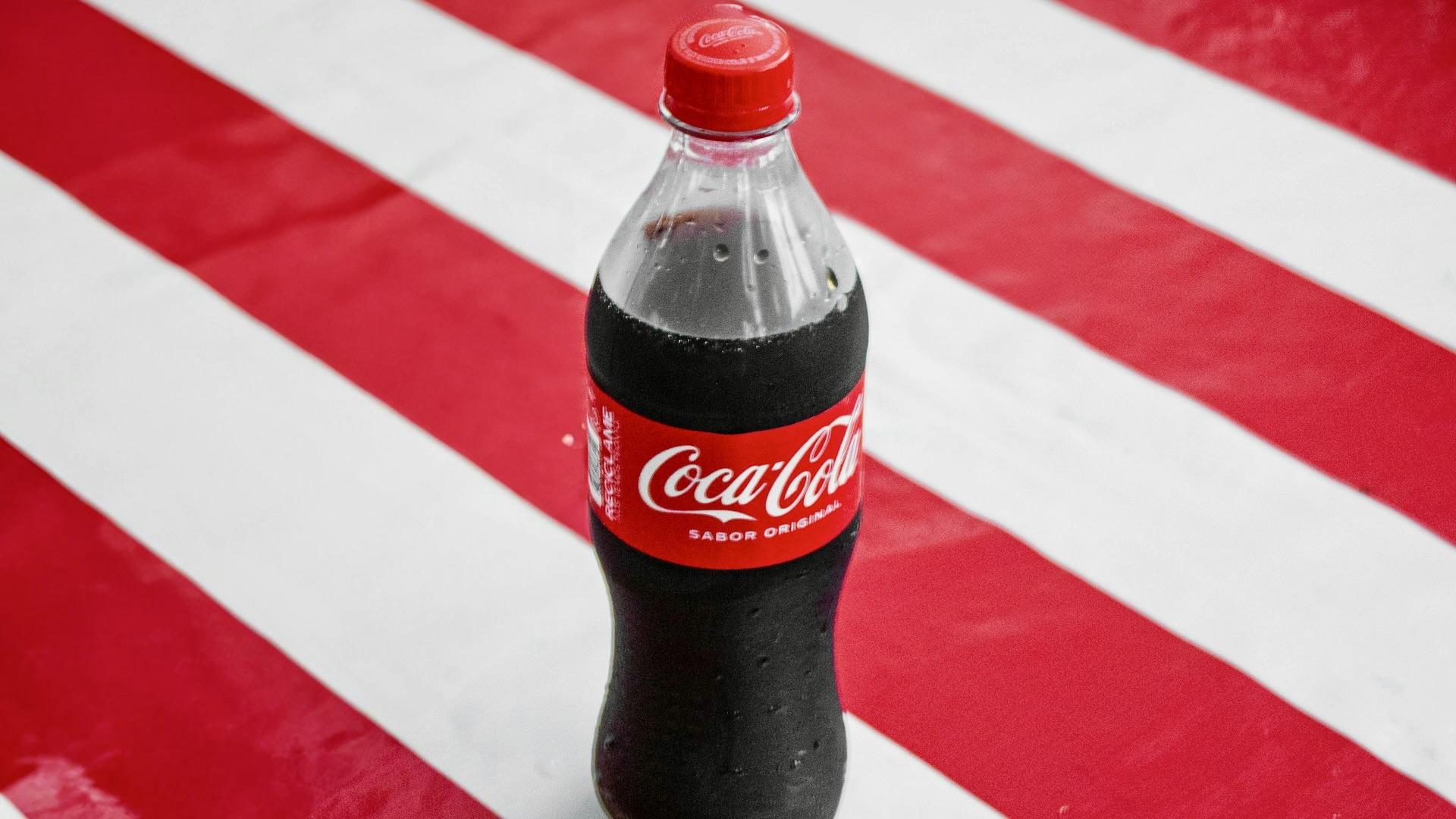
A lawsuit filed in Philadelphia accuses Coca-Cola, Mondelez, and Nestle of knowingly marketing ultra-processed foods designed to be addictive to children. The case argues these companies’ practices contribute to chronic diseases, calling their tactics similar to those used by the tobacco industry.
Lawsuit Targets Coca-Cola, Mondelez, and Nestle in Addictive Food Claims
On Tuesday, a new lawsuit was filed in the United States against major food giants like Kraft Heinz, Mondelez, and Coca-Cola, Reuters shares. The lawsuit claims that these firms developed and marketed "ultra-processed" meals with the express purpose of making them addictive and causing long-term health problems in children.
Bryce Martinez of Pennsylvania has filed a complaint in the Philadelphia Court of Common Pleas. He claims that the firms' goods caused him to develop type 2 diabetes and non-alcoholic fatty liver disease, both of which he was diagnosed with when he was 16 years old.
His attorneys from the prominent American plaintiffs' company Morgan & Morgan called it a first of its sort.
Post Holdings, General Mills, PepsiCo, Mars, Kellanova, Conagra, and the U.S. branch of Nestle are among the other corporations being sued. Requests for comment were not promptly addressed by the defendants.
Coca-Cola and Mondelez Among Companies Implicated in Processed Foods Lawsuit
More and more research has connected eating a lot of processed foods to various long-term health issues. Many packaged snack foods, candies, and soft drinks are categorized as "ultra-processed" because they contain ingredients that are either artificially produced or taken from foods.
According to Investing.com, former U.S. FDA commissioner Robert Califf has speculated that eating highly processed meals can lead to addiction. Donald Trump has nominated Robert F. Kennedy Jr. to head the US Department of Health and Human Services, and Kennedy Jr. has previously voiced his disapproval of the food business and the FDA's lack of regulation in this sector.
Martinez claims in her lawsuit that food manufacturers have known their products are bad for a long time and made an effort to make them highly addictive. Claiming to be influenced by the "cigarette playbook" of former Kraft Heinz and Mondelez owners R.J. Reynolds and tobacco behemoth Philip Morris, it accuses them of doing the same.
Philadelphia Lawsuit Demands Accountability for Chronic Health Problems
The case encompasses allegations of unfair commercial practices, negligent and fraudulent misrepresentation, conspiracy, and negligence. It demands monetary compensation and punitive damages in an undisclosed amount.







