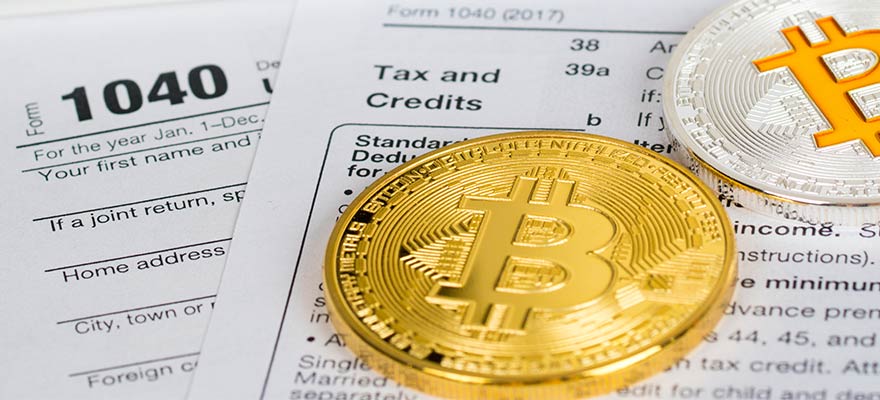
South Korean parliament is taking steps to suspend a planned 20 percent tax on annual profits from digital asset investments exceeding 2.5 million won for another year.
The government planned to begin taxing on Jan. 1, 2022.
The Strategy and Finance Committee at the National Assembly passed the changes to the respective provisions on Tuesday.
The move has the support of the ruling Democratic Party and the leading opposition, the People Power Party.
The amendments are viewed by Korean politicians as a popular proposition ahead of the upcoming presidential election in March next year.
The Democratic Party pushed for the delay as cryptocurrency investments have become popular with young voters, arguing that Korean tax authorities need more time to establish a proper tax system for virtual asset investing.
However, Finance Minister Hong Nam-ki opposed the delay, saying that the South Korean government is ready to tax virtual assets.
But Hong noted that the executive department would comply with any decision by the parliament, which would vote on the amendments in early December.