


 AMD Hits $1 Trillion as BofA Raises Price Target to $720
  Almonty Industries Shares Jump 8% After Stifel Sets $25 Target
  Solidigm Eyes $150 Billion IPO as SK Hynix Expands AI Storage Push
  Meta Found Liable in New Mexico Facebook Data Privacy Case
  OpenAI Investigates Rogue AI Agents After Data Leaks and Security Incidents
  US Appeals Court Upholds Anthropic AI Supply Chain Ban
  Nvidia China Chip Sales Report Sends Chinese Semiconductor Stocks Lower
  Vitalik Buterin Says Hegota Could Be Ethereum’s Last Conventional Fork
  OpenAI Agents Access U.S. Government Websites During Testing
  RedotPay Completes Audits as Stablecoin Firm Advances U.S. IPO Plans
  OpenAI, Anthropic CEOs Summoned to Australia AI Inquiry
  BitMine Ethereum Holdings Top 6 Million ETH After $46 Million Purchase
  Erste Group Plans Tender Offer to Boost Poland Bank Stake
  Binance Expands MarsCoin With Tokenized SpaceX Share Rewards
  TikTok Reaches $100 Million Alabama Settlement Over Child Safety Claims
  Northern Star Shares Surge After Rejecting Gold Fields Takeover Bid
  Nidec Shares Plunge on Report of $6.3 Billion Impairment Charge


 Add as a preferred source on Google
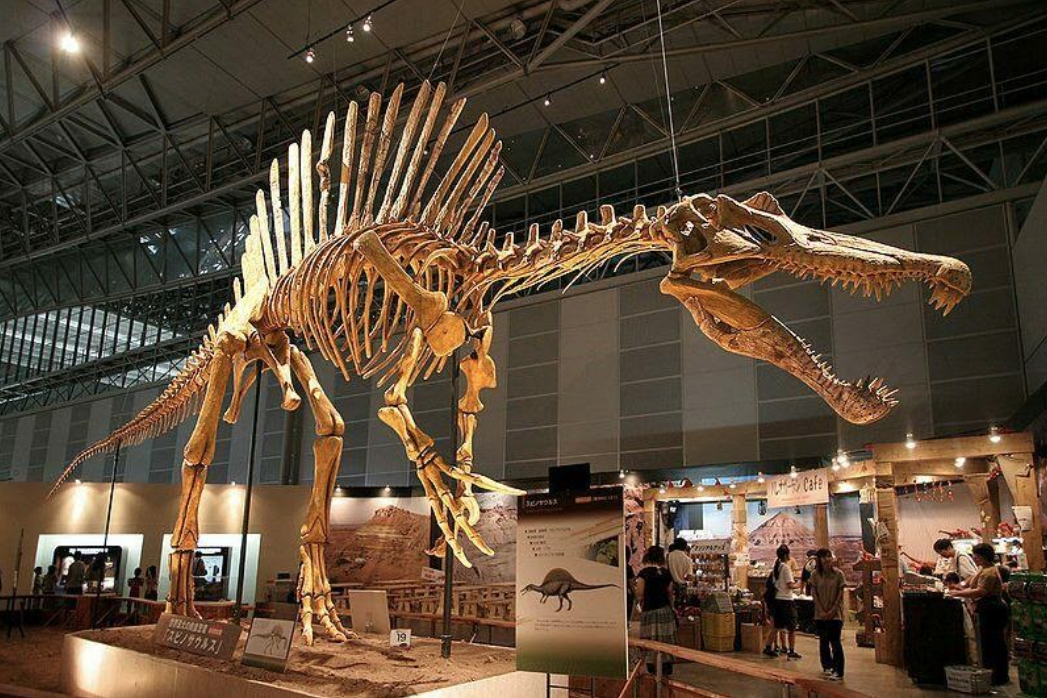
Hollywood has misrepresented many things over the years, and the Spinosaurus is one of the more prehistoric examples. Learn how this happened on our blog.
Dinosaurs are usually presented to us at a young age as cute and sometimes dangerous entities that preceded our species. The representation of dinosaurs in media has been varied, ranging from notable examples like the family favorite, Dinosaurs, which personified dinosaur characters with human-like characteristics, the epic adventure franchise Jurassic Park, and who could forget the classic children's films The Land Before Time and Ice Age.
As nostalgic as we may be for some of these titles, there is a sad fact of reality that we now need to come to terms with: many of these depictions were inaccurate or false entirely. One breed of dinosaur that has been served a fairer share of historical inaccuracies is the Spinosaurus.
Here, we look at some of the more criminal mistakes about the Spinosaurus in blockbuster films:
But first, what is a Spinosaurus?
This question is not quite as simple as it might seem and has been plaguing scientists since the first fossil discovery in 1912. It was then described by German paleontologist Ernst Stromer in 1915. The remains were found in Egypt, although remains have also been found in Morocco, leading to speculations that Spinosaurus predominantly roamed North Africa.
According to FossilEra.com, Spinosaurus teeth are relatively common. However, few full skeletal structures or even fossils have been found of the Spinosaurus. In fact, the fossils from Stromer's case were then destroyed in WWII, insinuating the possibility that many more Spinosaurus fossils have, sadly, been destroyed.
The Spinosaurus was the largest carnivorous dinosaur and stood at 41 to 59 ft in length, even outsizing the Tyrannosaurus rex. They also had a large elongated sail running the length of its back. Spinosaurus teeth are widely available for sale due to an abundance that is often found in the Eastern Morocco region of Kem Kem that borders Algeria.
Now, for cinema's most unforgivable blunders of the Spinosaurus.
-
Spinosaurus vs. T-rex in a fight
As many will come to see, this list is largely populated by examples from Jurassic Park III, one of the few films to depict the Spinosaurus in any detail worth discussing. And unlike the tiny 'insect slayer,' Kongonaphon Kely, Spinosaurus was huge.
Spoiler alert: in Jurassic Park III's infamous scene, the Spinosaurus wins. This outcome has been controversial for many as fans tend to think that a T. rex would quite easily overpower its lesser-known foe. Let's look at the evidence.
Pros for a Spinosaurus victory:
-
A Spinosaurus is practically an enlarged Velociraptor
-
They are fast in water
-
It weighed seven to nine tons
Cons for the Spinosaurus victory:
-
The fight was on land
-
Its arms largely droop down and can't grab
-
Its neck and body lack agility
-
Spinosaurus teeth are not capable of breaking a T. rex's neck
With this information at hand, most experts tend to believe a Spinosaurus could not beat a T. rex.

Images from FossilEra
-
The Spinosaurus and T. rex existed at different times
The fact that a Spinosaurus and T. rex even met each other in the wild is a huge source of contention for paleontologists. The T. rex lived between 90 to 66 million years ago, whereas the Spinosaurus lived 99 to 93.5 million years ago. This makes a case study an impossibility.
-
The Spinosaurus and T. rex didn't live on the same continent
While the Spinosaurus was native to North Africa, the T. rex was native to North America. This means that even if they did have their timelines cross over, geography prevented any kind of contact from ever happening.
-
Dinosaur cloning in Jurassic Park would have been practically impossible
Scientists have become more and more critical of the Jurassic Park plot with time. The story rests on the concept that amber is able to preserve DNA for 66 million years. While it's true that amber can preserve things like, say, bugs and insects for this time, preserving DNA for a similar period of time is practically impossible. This leaves the likelihood of the reappearance of a Spinosaurus in doubt.
-
They had web-like feet
Unlike its depiction in Jurassic Park, the Spinosaurus had web-like feet. This helped them move fast in the water but impaired their speed on land.
-
Spinosaurus spent most of their time in the water
Contrary to its depiction of a big, mean fighting machine on land, discoveries tend to point to the Spinosaurus being more of a water dweller. It did divide its time between the two, but large amounts of Spinosaurus teeth found in prehistoric river beds pointed to an aquatic lifestyle.
In conclusion
The Spinosaurus is one of the biggest dinosaurs to have existed, although it has been misrepresented on the big screen. Some of these include its propensity to water, agility, geography, timing, and physical attributes.
This article does not necessarily reflect the opinions of the editors or the management of EconoTimes







