Congressional Democrats are seeking to block over $1.6 billion in U.S. arms sales to the United Arab Emirates (UAE), citing concerns over the Gulf state’s alleged support for Sudan’s Rapid Support Forces (RSF) and its ties to controversial cryptocurrency ventures. The move coincides with President Donald Trump’s announcement of $200 billion in new deals with the UAE.
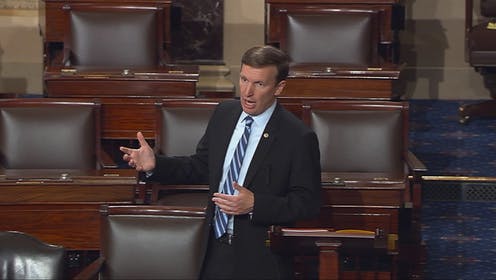
Senators Chris Murphy, Chris Van Hollen, Brian Schatz, Tim Kaine, and Bernie Sanders introduced Senate resolutions to halt the sales, which include helicopters, F-16 parts, and aircraft support. In the House, Representatives Gregory Meeks and Sara Jacobs filed matching resolutions, accusing the Trump administration of bypassing congressional oversight.
Lawmakers highlighted reports that Abu Dhabi may be supplying arms to RSF paramilitaries in Sudan’s civil war, violating the UN’s Darfur arms embargo—an allegation the UAE denies. They also criticized a $2 billion investment by MGX, a UAE-backed firm, in crypto exchange Binance, which involves a stablecoin linked to Trump’s World Liberty Financial venture. This, along with Trump-affiliated crypto projects like a meme coin launched earlier this year, has raised ethical concerns.
Senator Murphy called the situation “nuclear grade corruption,” emphasizing the need for Senate scrutiny. Meeks and Jacobs warned that moving forward with the sales could embolden the UAE to continue violating international norms.
Despite bipartisan recognition of the UAE as a key U.S. security ally, critics argue these deals undermine U.S. credibility. Arms sales must pass congressional review, but no disapproval resolution has ever survived a presidential veto. The White House and UAE embassy have yet to comment on the controversy. Trump, meanwhile, pledged to deepen ties with the UAE, saying the relationship is “only going to get bigger and better.”