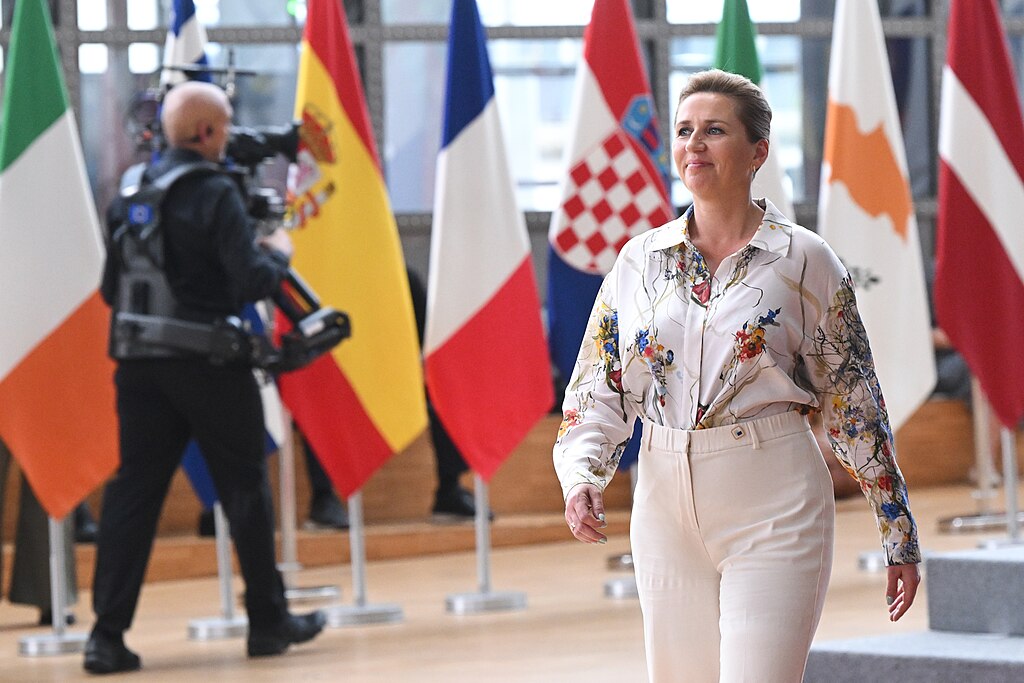
Denmark heads to the polls Tuesday in a closely watched election that could secure Prime Minister Mette Frederiksen an unprecedented third consecutive term. The vote comes at a politically charged moment, as Frederiksen's firm stance against U.S. President Donald Trump's repeated claims over Greenland has given her a notable boost in public support.
Despite that momentum, the 48-year-old Social Democratic leader faces an uphill battle domestically. Her party is forecast to post its worst electoral performance in decades, with polling figures hovering around 21% — a recovery from December lows but still historically weak. Voter frustration has been fueled by concerns over the rising cost of living, immigration policy, and a perception that Frederiksen has not done enough to protect Denmark's cherished welfare system after nearly seven years in power.
Frederiksen called the snap election ahead of an October deadline, widely seen as a strategic move to capitalize on a surge in national sentiment when Trump's aggressive rhetoric toward Greenland peaked earlier this year. Though geopolitical tensions have since eased, she continues to frame herself as a steady, battle-tested leader capable of managing Denmark's delicate relationship with Washington while supporting Europe's response to the ongoing war in Ukraine.
Her left-leaning coalition is projected to fall short of the 90-seat parliamentary majority threshold, landing near 85 seats in the 179-seat Folketing. However, Denmark's political system does not require a governing majority — only the absence of a majority opposition. This leaves Frederiksen well-positioned to lead the next government, particularly as the right-leaning bloc remains divided.
Former Prime Minister Lars Løkke Rasmussen and his centrist Moderates party are seen as potential kingmakers, while results from Greenland and the Faroe Islands — holding four parliamentary seats — could prove decisive in determining Denmark's next government.