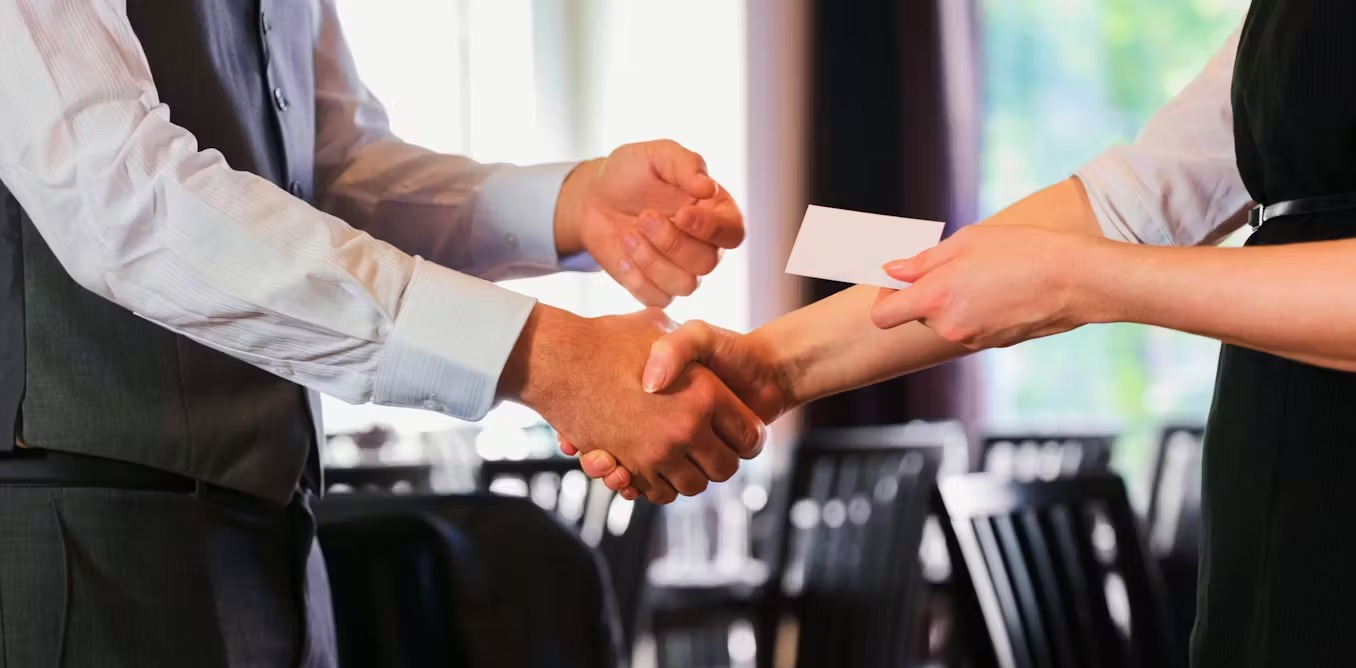
Have you ever met someone, been handed a business card, and found yourself without one to hand back?
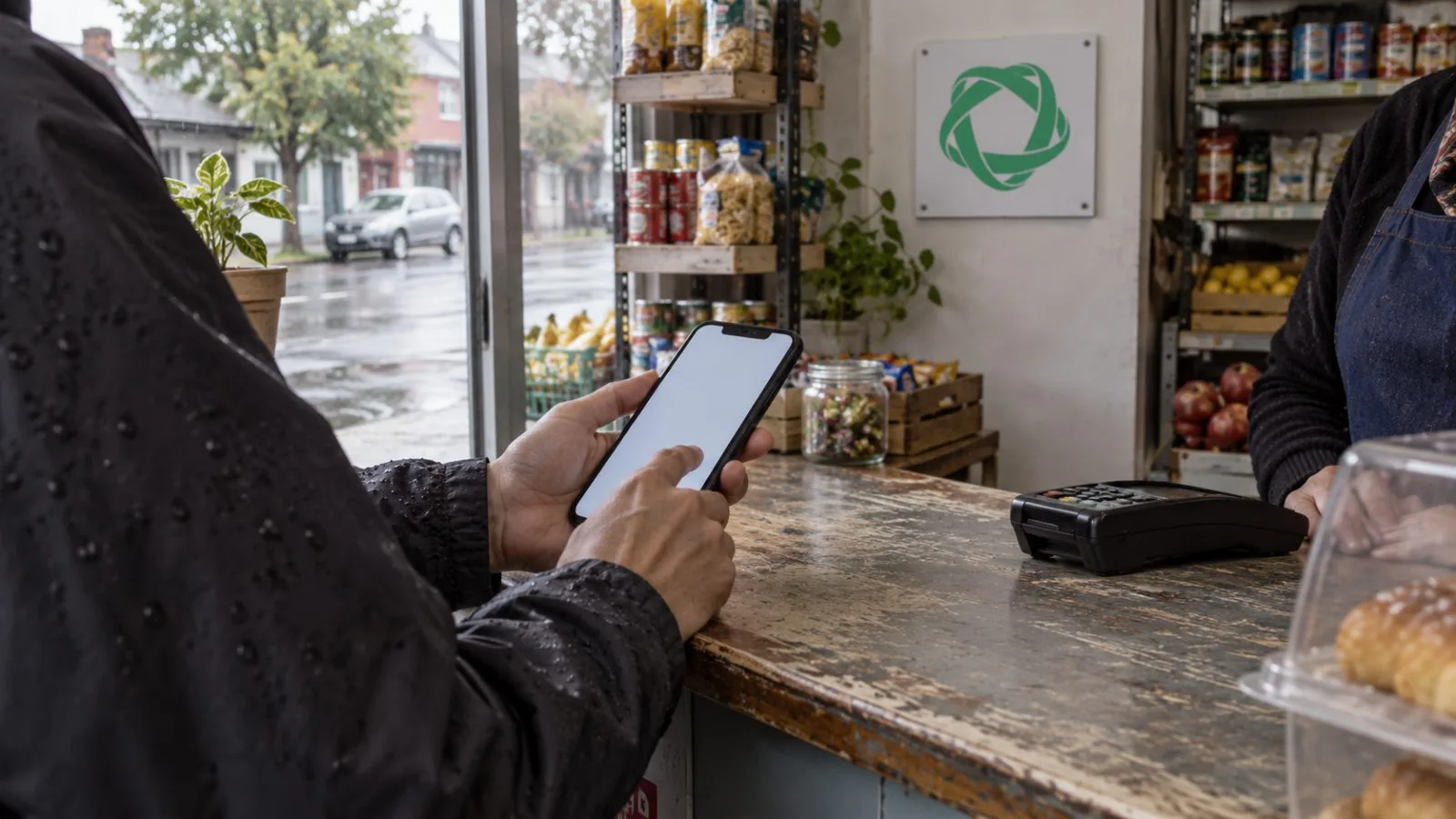
Perhaps you offered an alternative, saying “let’s connect on LinkedIn”, or displayed a scannable QR code on your phone that linked to your details, or offered to send a text or email.
Perhaps you thought cards were no longer needed. You might not be right, at least not for all people, in all situations, and, strange as it seems, young people are among those who might find them the most useful of all.
Not dead yet
My own informal survey of 61 contacts on LinkedIn found that more than half used both business cards and LinkedIn for introductions, and another 11% said they used cards only, with only a little over a third eschewing cards altogether.
And business cards are continuing in surprising forms. Some use QR codes to link to very detailed information. Others create contextual information and link users via video.
Some are paywave-style cards that can be tapped, transferring information to the recipient’s phone. An Australian firm, Tapt, is one of the pioneers.
Some send 10-second distributable videos.
Old-school cards are most used by older networkers.
Six in every ten LinkedIn users are aged 28 to 43, meaning they are millennials.
While they are less likely to carry cards than older age groups, there are good reasons why they should.
To get ahead, it’s important to connect with supervisors and potential employers from other firms.
Whether just added to a pile or kept in a wallet, a card is a sign that the person whose name is on it genuinely wants to reach out.
The design can say something about the owner’s professional identity, conveying values, aesthetic sense and distinctiveness.
Unlike an email address scribbled on a Post-It note, a well-designed business card can convey a personal brand.
And the mere act of handing over a card can build a bridge, ensuring that a meeting remains memorable.
At times when time is of the essence, such as in an elevator pitch, cards can offer a swift and efficient medium for exchanging quite a lot of information.
And they are likely to hang around, reminding the recipient of the meeting, all the more so the rare they become.
They are not for everyone, but for quite a while yet they are likely to be for people seriously trying to reach out.