


 LA fires: Long-term exposure to wildfire smoke is poorly understood − and a growing risk
  Supreme Court Takes Up Exxon, Suncor Climate Case
  US Backs Musk in Fight Against EU’s €120 Million X Fine
  California Woman Arrested Over Alleged Spying on Taiwan President’s Son
  Rise of the Zombie Bugs takes readers on a jaw-dropping tour of the parasite world
  How is Antarctica melting, exactly? Crucial details are beginning to come into focus
  CNN, Politico and MS NOW Seek Court Order Blocking Trump White House Ban
  Paramount-Warner Bros $110 Billion Deal Draws Antitrust Backlash
  Extreme heat, flooding, wildfires – Colorado’s formerly incarcerated people on the hazards they faced behind bars
  France Defends Netanyahu Airspace Clearance Despite ICC Warrant
  Appeals Court Rejects Trump Third-Country Deportation Policy
  TikTok Reaches $100 Million Alabama Settlement Over Child Safety Claims
  US Supreme Court Revives Trump Administration Voter Citizenship Database
  Maduro, Wife May Face New US Torture Charges
  GesiaPlatform Launches Carbon-Neutral Lifestyle App ‘Net Zero Heroes’
  Lincoln University Students Sue Missouri Over Decades of Underfunding


 Add as a preferred source on Google
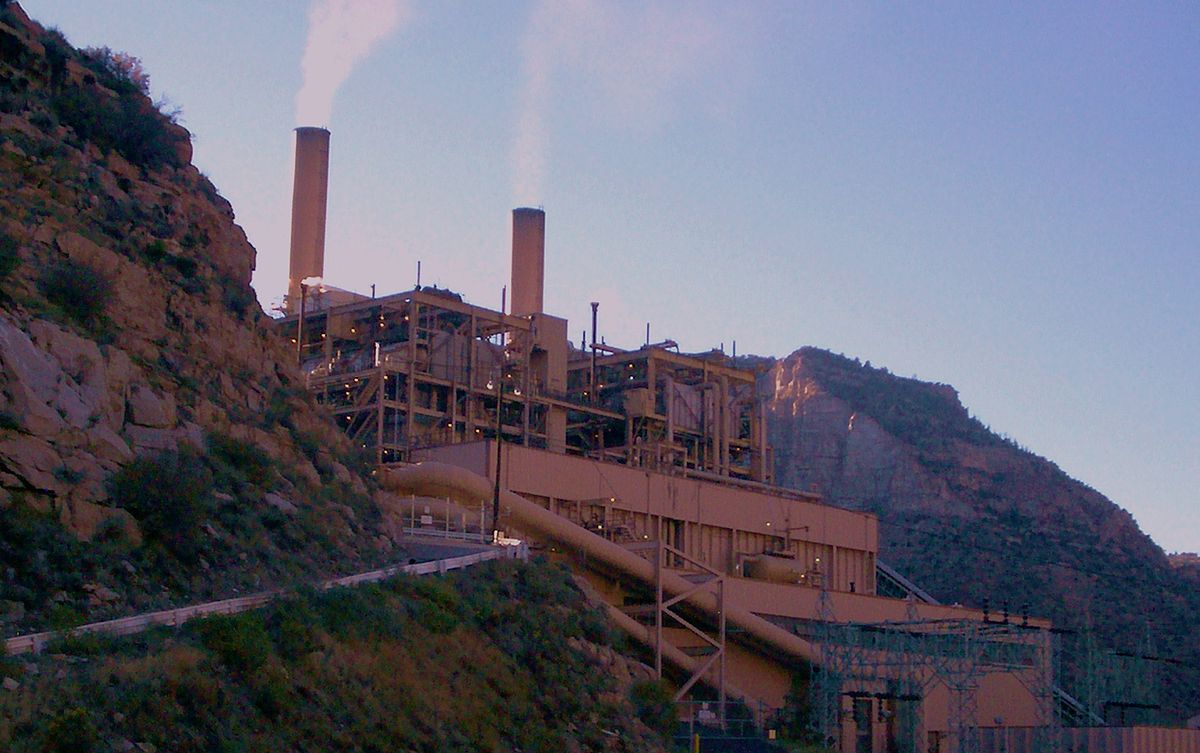



Australia’s largest listed, carbon intensive companies say management lost focus on carbon matters, abandoned energy projects and didn’t have the commercial imperative to produce long-term strategic action on reducing emissions after the carbon tax was repealed, new research finds.
Our research looked at the comparative views of emitters before and after the repeal of the carbon tax legislation, in interviews with 18 senior managers from nine carbon-intensive listed companies.
Two years have passed since Australia’s carbon tax was repealed. It was introduced by the Labor government and came into effect in 2012.
The carbon pricing scheme asked big emitters to pay for each tonne of emissions above a threshold of 25,000 tonnes, in carbon units, and these were at a fixed charge of: $23 a tonne in 2012, $24.15 a tonne in 2013 and $25.40 a tonne in 2014.
The Swinburne research found the financial pressure exerted by the carbon tax forced companies to take action to manage emissions. As one senior executive observed at the time:
“…the threat is our operating costs will increase, and we won’t be able to pass that cost on through to our customers, and, therefore, our earnings suffer as a result”.
In July 2014, the coalition government repealed the carbon tax by replacing it with the “Direct Action” plan which works primarily by providing funding to companies to incentivise emission reduction activities. The government has spentA$1.7 billion on 143 million tonnes of emissions, at an average cost of A$12 a tonne.
Many of the companies interviewed for our research said Direct Action was not as effective as a carbon tax in driving companies to act urgently and manage emissions. The carbon tax gave companies incentives to act because it increased utilities prices, adding financial burden for some companies, in addition to these companies being liable under the tax.
One manager said:
“The scheme [carbon tax] now obviously having a cost associated with those emissions, it was a case of trying to understand where the costs were and essentially how we capture that information and how we track it.”
The existing National Greenhouse Energy Reporting Act 2007 (which requires high emitters to report emissions) does not provide the same incentives because it’s only a compliance measure with no direct financial burden.
Our research found the carbon tax created not only financial pressure but also a reputation threat for high emitting companies.
When the carbon tax was repealed, the focus on carbon emissions in these companies shifted. In some cases this showed up in the form of changes to staff hiring, away from environmental or technical specialists and towards legal staff. One manager explained it as:
“Even though we may not have the technical background in some respects, I think there’s a lot of interest in the legal profession into climate issues, you know, the social issues.”
This shift in focus was partly due to a lack of top management attention to the issue and partly because the financial justification for having dedicated personnel to tackle emissions decreased.
Some companies postponed or abandoned energy management projects after the repeal of the carbon tax. For example, one manager observed that his company had postponed A$1.5 billion worth of long term renewable investment projects due to the carbon tax repeal and the political uncertainty around the Renewable Energy Target.
Another factor is the lower use of techniques such as provision of incentives and setting targets for emissions management compared with the period of the carbon tax. One manager stated his company was no longer investing in target setting as there was no financial return for doing so.
Almost all interviewees in our research agreed that the carbon tax had been an effective mechanism when it was in place. Certain companies have a clear expectation a carbon price will re-emerge. They are proactively monitoring this issue. One manager described it as:
“We shadow in a carbon price across our portfolio of assets, determine what the potential impact is for [company name] and how we would manage that. We’ve continued to invest in carbon reduction…The business now looks at it as a cost-of-doing business opportunity."
Overall, the research provided mixed evidence about achieving Australia’s commitment, made at the Paris climate change summit, to reduce emissions to 26-28% on 2005 levels by 2030. Some companies are acting as though the carbon tax never left us, while for others carbon emission management is no longer a strategic issue.
The financial pressure exerted from the carbon tax was a strong motivation for all sample companies to take urgent action on emissions management. So the challenge for the current government is whether Australia’s current policy incentives for corporate constraint of carbon are strong enough to deliver.
 Jayanthi Kumarasiri receives funding from the Accounting & Finance Association of Australia and New Zealand (AFAANZ) and Swinburne University of Technology’s Faculty of Business and Law research grant scheme. .
Christine Jubb and Keith Houghton do not work for, consult, own shares in or receive funding from any company or organisation that would benefit from this article, and has disclosed no relevant affiliations beyond the academic appointment above.
This article was originally published on The Conversation. Read the original article.







