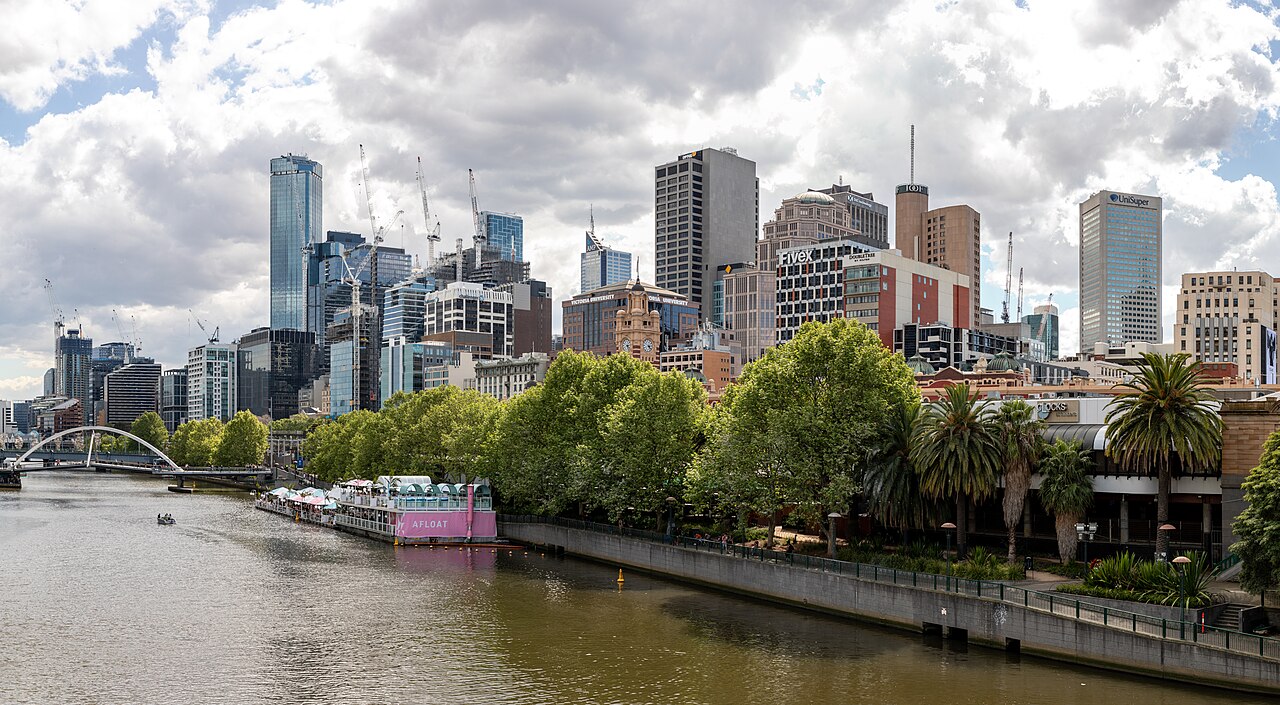
Australia is expected to announce a smaller-than-forecast budget deficit this week as stronger commodity prices and elevated inflation boost government revenues. Treasurer Jim Chalmers is preparing to deliver the federal budget with a focus on fiscal restraint, tax reform, and cost-of-living relief while avoiding policies that could worsen inflation.
The Australian government had previously projected a budget deficit of A$36.8 billion for the 2025/26 financial year. However, leading banks now estimate a lower shortfall, with forecasts ranging between A$23.8 billion and A$29 billion. Rising export earnings from commodities and stronger tax receipts are helping improve the budget outlook.
Chalmers stated the budget would be “responsible” and avoid excessive spending despite pressure to support households facing high living costs. Economists warn that large cash handouts could fuel inflation further and force the Reserve Bank of Australia (RBA) to maintain higher interest rates for longer.
The RBA has already lifted interest rates to 4.35% after reversing previous rate cuts, citing concerns over persistent inflation and economic demand. Governor Michele Bullock has cautioned governments against introducing policies that could increase consumer spending too aggressively.
The budget is also expected to include politically sensitive tax reforms aimed at addressing housing affordability and intergenerational inequality. Reports suggest the government may revise capital gains tax discounts and limit negative gearing benefits, measures long debated in Australia’s property market.
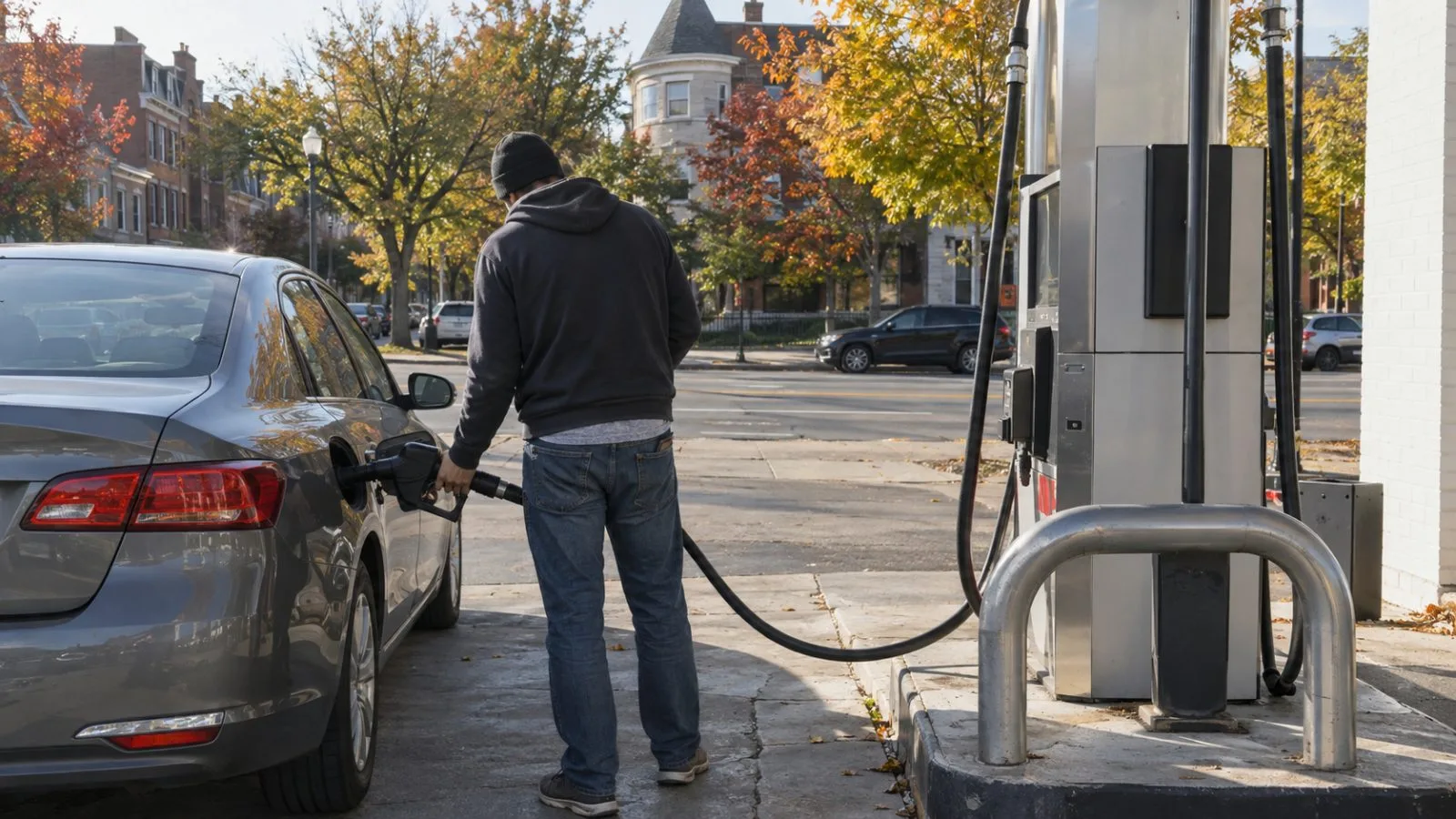
Additional measures may include targeted cost-of-living support, fuel excise relief, and savings from reforms to the disability welfare program, which could save more than A$35 billion over four years.
The government is also expected to allocate A$10 billion for a permanent national fuel reserve and boost defense spending by A$53 billion over the next decade as geopolitical tensions continue to impact global markets and energy prices.