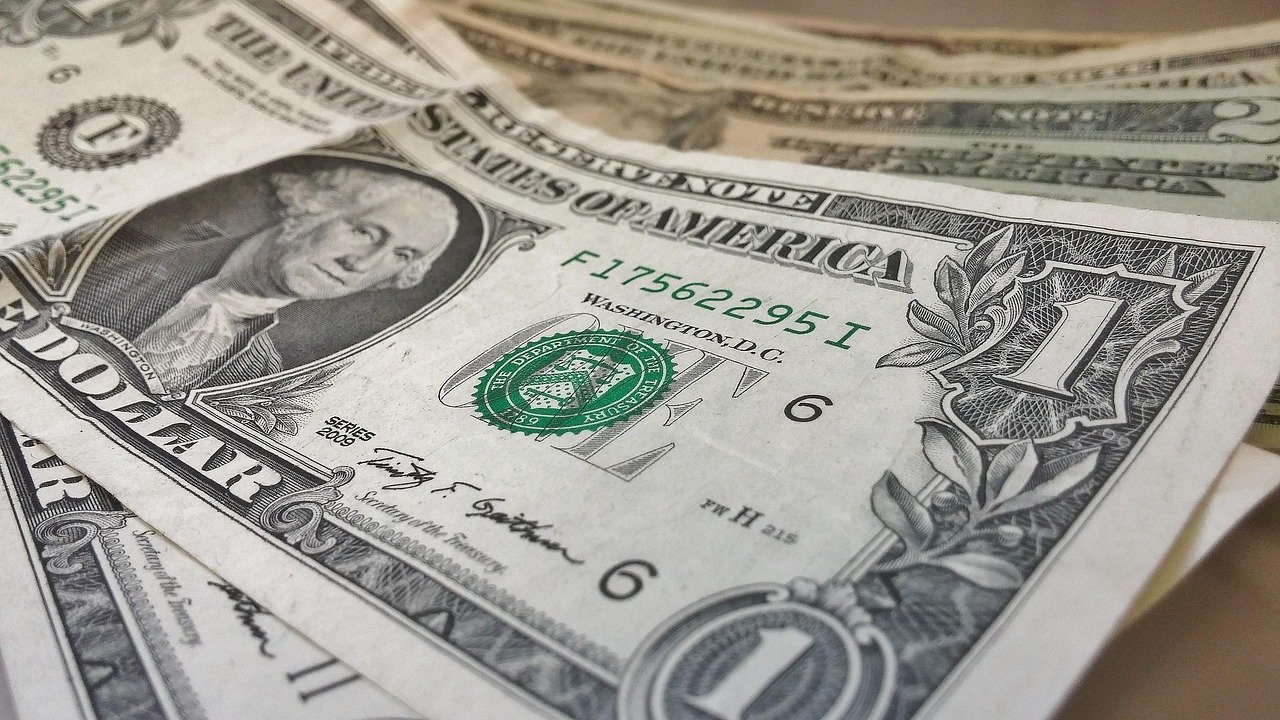
The U.S. dollar edged lower on Monday, retreating from last week’s gains, as traders weighed the economic impact of President Donald Trump’s latest tariff threats and rising fiscal concerns. The greenback weakened after Trump announced plans to double tariffs on imported steel and aluminum to 50% starting Wednesday.
Currency markets have been volatile amid Trump’s unpredictable trade agenda, which has raised fears of slowing growth and surging inflation. The dollar had briefly rallied last week, gaining 0.3% after trade talks with the EU resumed and a U.S. trade court temporarily blocked Trump’s tariffs. However, an appeals court reinstated the duties shortly after, though analysts noted that legal checks remain on presidential trade powers.
As of 0023 GMT, the dollar slipped 0.3% to 143.57 yen. The euro rose 0.2% to $1.1372, while the British pound climbed 0.3% to $1.3489. The Australian dollar also added 0.3%, reaching $0.6454. The U.S. dollar index, which tracks the greenback against six major currencies, declined 0.2% to 99.214.
Adding pressure to the dollar is growing concern over U.S. fiscal health. The Senate is reviewing Trump’s sweeping tax and spending bill, expected to increase federal debt by $3.8 trillion over the next decade. Investors are closely watching section 899 of the bill, which could enable the U.S. to impose punitive taxes on investors from countries with “unfair” tax systems—a move analysts warn could deter foreign investment and weigh further on the dollar.
Despite extreme bearish sentiment surrounding the dollar, analysts caution that the outlook remains uncertain, as geopolitical developments and fiscal debates continue to shape currency moves.