Recent allegations suggest that a number of social media influencers were paid by foreign governments and entities to push anti-Trump and pro-HAMAS agendas, sparking widespread concern over the integrity of online political discourse. These claims, which have been circulating within certain political circles, point to possible involvement by Iran, Saudi Arabia, and Qatar in orchestrating campaigns aimed at influencing public opinion in the West. The accusations have ignited fresh scrutiny of the role influencers play in shaping political narratives, raising questions about the ethical boundaries of sponsored content and foreign influence.
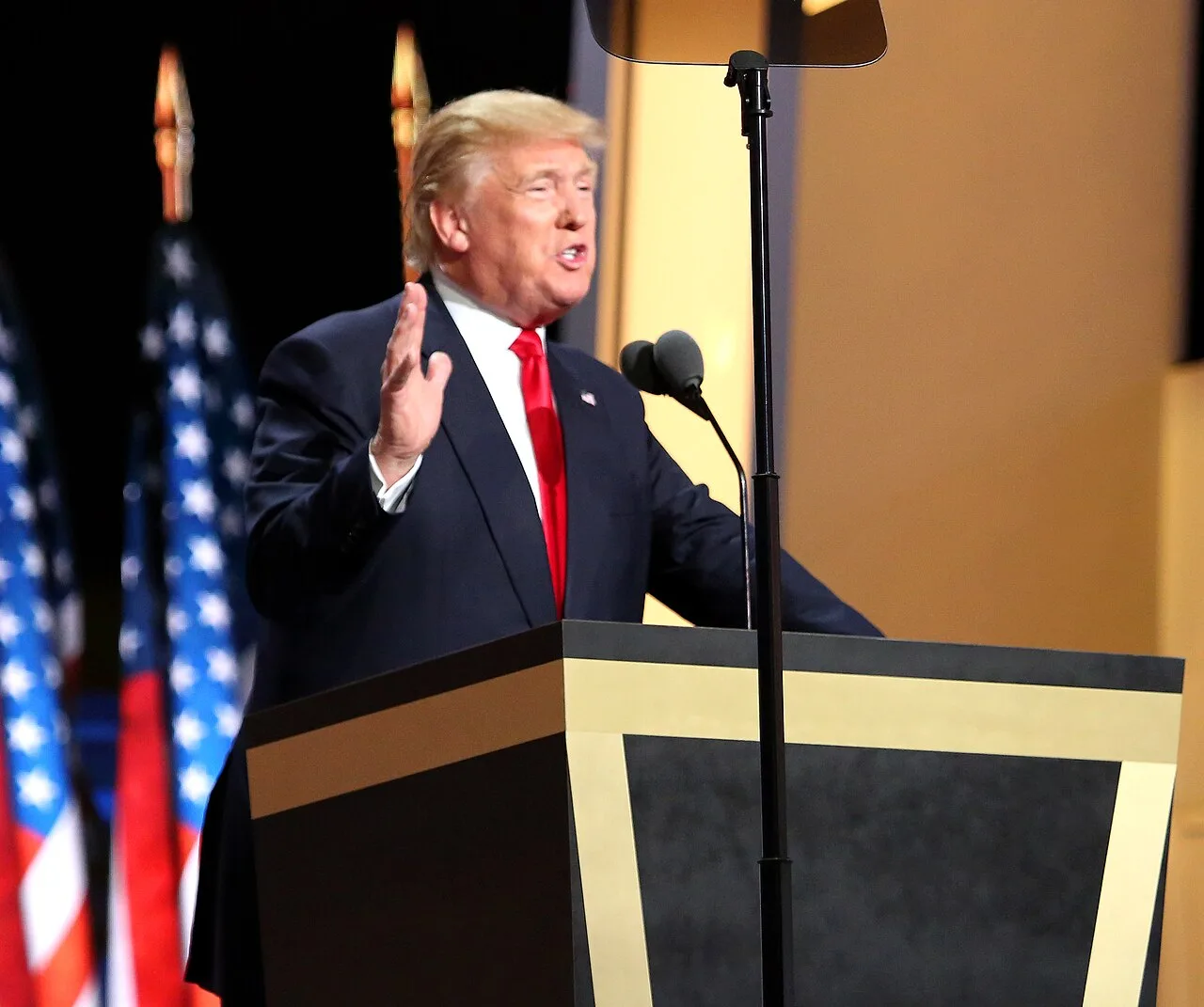
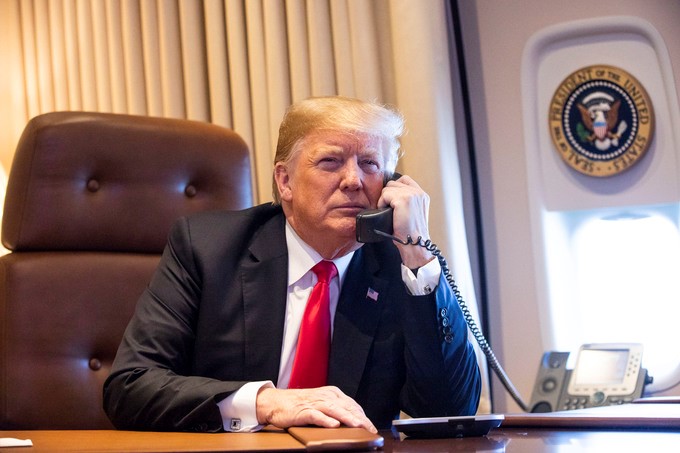
The controversy escalated when reports surfaced suggesting that some influencers received payments to criticize former President Donald Trump, fueling speculation that a coordinated effort may have been behind the online anti-Trump rhetoric. Right-wing commentators have long voiced concerns about the media environment surrounding Trump, but the recent claims have introduced a new dimension—allegations of foreign governments manipulating influencers to serve political purposes.
In addition to the alleged anti-Trump campaigns, there are accusations that influencers have also been paid to promote pro-HAMAS sentiments, a particularly contentious topic given the ongoing conflict in the Middle East. Critics of these influencers have accused them of taking money in exchange for disseminating propaganda that aligns with the interests of these foreign powers, potentially at the expense of transparency and accountability.
What has caught the attention of many is the specific mention of Iran, Saudi Arabia, and Qatar in connection with these allegations. These countries have been accused of funding covert operations to sway public opinion in the West for years, but the recent focus on influencers suggests a shift in strategy toward using social media as a more direct avenue of influence. This approach, critics argue, could lead to a significant manipulation of public sentiment, particularly among younger, tech-savvy generations who rely on social media for news and political information.
One of the more eye-catching elements of the recent claims involves influencers purportedly holding meetings in Dubai. The speculation that Dubai has become a hub for influencers involved in these alleged campaigns has raised further questions about the extent of foreign influence in Western politics. The exact nature of these meetings remains unclear, but if proven true, it could lead to further investigation into the activities of these influencers and their connections to foreign interests.
With the allegations continuing to gain traction, several political figures and commentators have called for deeper investigations into the funding behind influencer campaigns. They argue that transparency is essential to maintaining the integrity of public discourse, especially when the lines between personal opinion and paid promotion are increasingly blurred. The potential fallout from these revelations could be significant, particularly for those influencers implicated in the allegations.
As more reports surface, many are watching to see how the situation unfolds and whether concrete evidence will emerge to substantiate the claims. If the accusations hold up, it could mark the beginning of a broader reckoning within the influencer community, with questions about ethical boundaries, foreign influence, and the responsibility influencers bear in shaping public opinion likely to dominate the conversation.
For now, the allegations are just the "tip of the iceberg," as some have noted, but the impact on the political landscape—both online and offline—could be substantial.
Recent allegations suggest that a number of social media influencers were paid by foreign governments and entities to push anti-Trump and pro-HAMAS agendas, sparking widespread concern over the integrity of online political discourse. These claims, which have been circulating within certain political circles, point to possible involvement by Iran, Saudi Arabia, and Qatar in orchestrating campaigns aimed at influencing public opinion in the West. The accusations have ignited fresh scrutiny of the role influencers play in shaping political narratives, raising questions about the ethical boundaries of sponsored content and foreign influence.
The controversy escalated when reports surfaced suggesting that some influencers received payments to criticize former President Donald Trump, fueling speculation that a coordinated effort may have been behind the online anti-Trump rhetoric. Right-wing commentators have long voiced concerns about the media environment surrounding Trump, but the recent claims have introduced a new dimension—allegations of foreign governments manipulating influencers to serve political purposes.
In addition to the alleged anti-Trump campaigns, there are accusations that influencers have also been paid to promote pro-HAMAS sentiments, a particularly contentious topic given the ongoing conflict in the Middle East. Critics of these influencers have accused them of taking money in exchange for disseminating propaganda that aligns with the interests of these foreign powers, potentially at the expense of transparency and accountability.
What has caught the attention of many is the specific mention of Iran, Saudi Arabia, and Qatar in connection with these allegations. These countries have been accused of funding covert operations to sway public opinion in the West for years, but the recent focus on influencers suggests a shift in strategy toward using social media as a more direct avenue of influence. This approach, critics argue, could lead to a significant manipulation of public sentiment, particularly among younger, tech-savvy generations who rely on social media for news and political information.
One of the more eye-catching elements of the recent claims involves influencers purportedly holding meetings in Dubai. The speculation that Dubai has become a hub for influencers involved in these alleged campaigns has raised further questions about the extent of foreign influence in Western politics. The exact nature of these meetings remains unclear, but if proven true, it could lead to further investigation into the activities of these influencers and their connections to foreign interests.
With the allegations continuing to gain traction, several political figures and commentators have called for deeper investigations into the funding behind influencer campaigns. They argue that transparency is essential to maintaining the integrity of public discourse, especially when the lines between personal opinion and paid promotion are increasingly blurred. The potential fallout from these revelations could be significant, particularly for those influencers implicated in the allegations.
As more reports surface, many are watching to see how the situation unfolds and whether concrete evidence will emerge to substantiate the claims. If the accusations hold up, it could mark the beginning of a broader reckoning within the influencer community, with questions about ethical boundaries, foreign influence, and the responsibility influencers bear in shaping public opinion likely to dominate the conversation.
For now, the allegations are just the "tip of the iceberg," as some have noted, but the impact on the political landscape—both online and offline—could be substantial.