


 US Senate Midterms 2026: Key Races That Could Flip Control
  Netanyahu Rejects Preemptive Iran Strike Ahead of Israel Election
  Trump Denies China, Russia Are Helping Iran in War
  Gaza Olive Harvest Collapses as War Destroys Farmland
  Trump Confirms US Intelligence Sharing With Ukraine Amid Russian Strikes
  US Recalls Nicaragua Envoy After Ambassador Rejection
  China Warns Taiwan Over South China Sea Coast Guard Incident
  Container Ship Sinks in Strait of Hormuz as Iran Attacks Escalate
  Trump Denies Russia and China Are Helping Iran in U.S. Conflict
  Zelenskiy Says Trump’s Support for Russia Is ‘Painful’
  China Resumes US Soybean Purchases After Trump-Xi Summit
  Zelenskiy Says Ukraine Received No Warning Before Russian Missile Attack
  Elon Musk Donates $366 Million to 2026 US Midterms
  IMF Warns US Debt Crisis Needs Fiscal Action, Urges China to Boost Consumption
  Trump Warns Houthis Over Attacks, Considers Erdogan Intervention
  Trump Announces Massive Oil and Mineral Exploration Plans in Greenland
  Italy’s Meloni Warns US-Russia Diesel Deal Could Weaken Ukraine Sanctions


 Add as a preferred source on Google
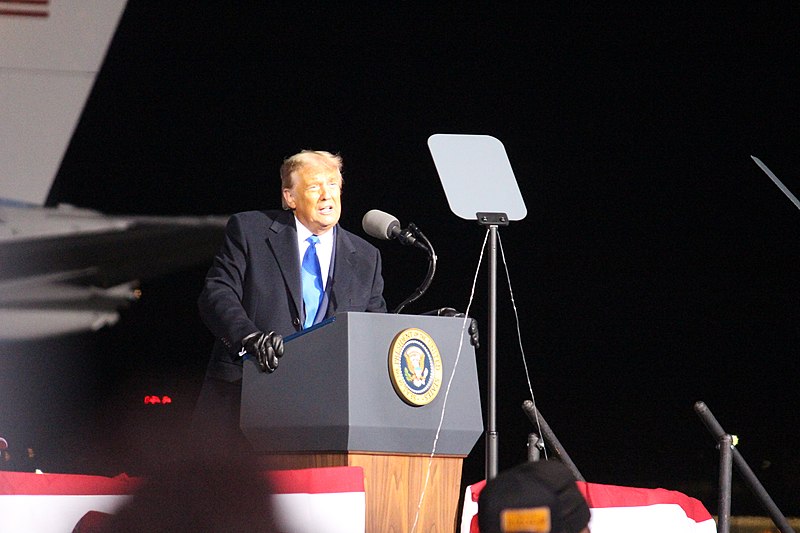
Now-former President Donald Trump faces an impeachment trial before the Senate next week for charges of inciting an insurrection. The preliminary cases and defenses have revealed a detailed case made by the House Democrats surrounding Trump’s involvement in the Capitol riots.
House Democrats filed their preliminary cases against Trump today, citing in detail their case as to why the former president should now be convicted by the Senate and be barred from holding public office again. Trump was impeached by the House in his final week of the presidency for inciting the Capitol riots last January 6 that resulted in dozens of law enforcement injured and five people dead. The pro-Trump mob stormed the Capitol, aiming to stop the formal counting of electoral votes and overturn Joe Biden’s election win. Further reports revealed that the rioters were targeting several members of both House and the Senate leadership including now-former vice president Mike Pence.
The upcoming trial will be held in the same chamber where the rioters broke in, the events in which the Senators themselves have also witnessed firsthand. However, despite a roughly bipartisan push to hold Trump accountable, there is a growing opposition among Republican Senators to move on with the trial.
The House Democrats linked Trump’s insistence on election fraud being the reason why he lost to Biden to the riots. Trump’s crusade in trying to contest the election results led to 61 dismissed lawsuits in swing states, some of the judges being his own appointees and other appointees of Republican presidents.
“His conduct endangered the life of every single member of Congress, jeopardized the peaceful transition of power and line of succession, and compromised our national security,” wrote the impeachment managers. “This is precisely the sort of constitutional offense that warrants the disqualification from federal office.”
At the same time, Biden’s White House is considering revoking Trump’s access to intelligence briefings. Former presidents retain the privilege of getting access to intelligence briefings and classified information, but an exception may be made towards Trump. Prior to Trump’s departure from the White House, the former principal deputy director of national intelligence Sue Gordon, wrote a piece for the Washington Post explaining why Trump should not be given the privilege.
House Intelligence Chairman Adam Schiff also previously recommended that Trump no longer be given access to intelligence briefings and classified information, describing the former president as a “security risk.”







