


 Trump Buys Up to $25M in Meta Stock, Invests in SpaceX Debt
  Trump Secures Russian Diesel Deal as US Fuel Prices Surge
  Zelenskiy Offers Russia Energy Truce Amid Trump Pressure
  Mahmoud Abbas Postpones Palestinian Elections to September 2027
  Trump Announces Russia-Ukraine Energy Ceasefire Amid U.S. Pressure on Kyiv
  Djibouti Migrant Boat Capsizes, Killing 139 and Leaving 84 Missing
  US, EU Push for Action Against Asia’s Excess Factory Capacity
  Trump Sanctions International Criminal Court, Sparking EU Backlash
  RFK Jr. Launches Nationwide Vaccine Safety Review
  Russian Strikes Kill Six in Ukraine, Including Three in Kharkiv
  Ripple Chairman Chris Larsen Donates $22.5 Million Ahead of US Midterms
  Yandex Data Center Hit by Drone Strike as Russia-Ukraine Cyber Infrastructure Attacks Escalate
  Flavio Bolsonaro Leads Lula 49%-45% in Brazil Runoff Poll
  JD Vance Questions Pentagon Plan to Livestream Fort Hood Shooter’s Execution
  Pakistan Declares Emergency in Khyber Pakhtunkhwa, Suspends Imran Khan’s PTI Government


 Add as a preferred source on Google
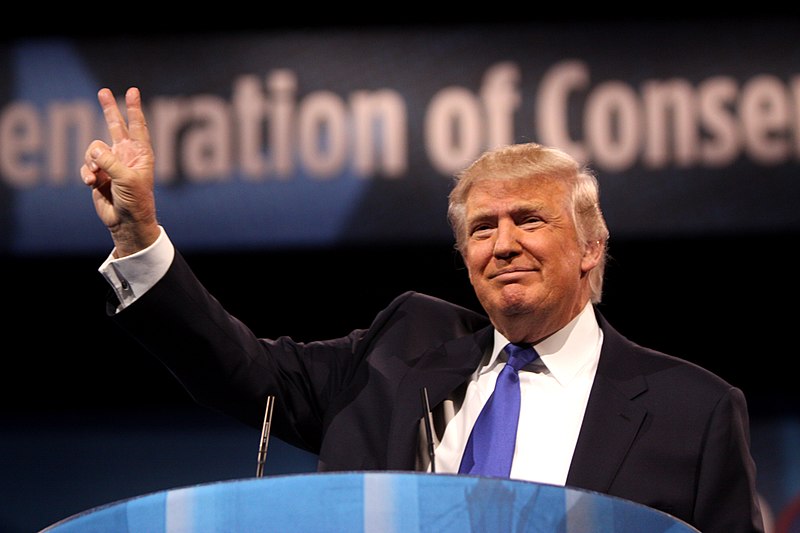
In a recent rally in Texas, twice-impeached, former President Donald Trump floated the idea of pardoning every defendant from the January 6 Capitol insurrection. According to Rep. Adam Schiff, the former president’s pardon offers are strong proof that Trump and his allies were anticipating the situation to become violent.
Speaking on MSNBC Wednesday, Schiff, who serves on the January 6 committee, said that Trump has a tendency to use pardons and other means to intimidate and influence possible witnesses. Schiff cited the pardoning of Trump associate Roger Stone, who lied to Congress in order to cover for the former president, including intervening with then-DOJ AG Bill Barr in Michael Flynn’s criminal case.
Schiff also noted that Trump also targeted those who cooperated with government officials, such as his former fixer Michael Cohen, whom the former president called a “rat.”
“I think his recent statements, as well as the public reports of major inquiries about pardoning people involved in attacking the Capitol police that day, they go to a couple of things,” Schiff explained. “They go to his intent. If this violence at the Capitol wasn’t part of the plan, or wasn’t something he condoned, then why would he consider pardoning them? So I think it’s very important evidence as to intent. But it also is, I think part of that broader pattern to influence potentially what witnesses have to say, or whether they will say it.”
Meanwhile, the ongoing rhetoric by Trump and his allies appears to have created a rift within the Republican Party as members of the Republican National Committee are beginning to speak out against the former president in the committee’s winter meetings. According to NBC News, members of the committee suggested that the GOP’s focus, especially in the coming midterm elections, needs to be on the voters rather than the former president’s attacks.
One RNC member, William Palatucci of New Jersey, said that Trump needs to be “constructive, not destructive,” and that the former president should help in raising money for the party and avoid intervening in primaries unless necessary.
“Picking fights with really good candidates is not a good idea!” said Palatucci.







