


 Zelenskiy Slams US-Russia Diesel Deal as Funding War
  Trump Sanctions International Criminal Court, Sparking EU Backlash
  Yandex Data Center Hit by Drone Strike as Russia-Ukraine Cyber Infrastructure Attacks Escalate
  Ripple Chairman Chris Larsen Donates $22.5 Million Ahead of US Midterms
  Trump Announces Russia-Ukraine Energy Ceasefire as Zelenskiy Awaits Details
  Panama Declares Emergency After 7.7 Earthquake Triggers 200 Aftershocks
  Brazil Election: Lula and Bolsonaro Rally Ahead of October 25 Runoff
  Pakistan Declares Emergency in Khyber Pakhtunkhwa, Suspends Imran Khan’s PTI Government
  Houthis Warn Saudi Airports After Deadly Riyadh Attack
  North Korea Fires Ballistic Missiles as Tensions With South Korea Escalate
  Djibouti Migrant Boat Capsizes, Killing 139 and Leaving 84 Missing
  JD Vance Questions Pentagon Plan to Livestream Fort Hood Shooter’s Execution
  UK Finance Minister Healey Calls for Fiscal Discipline Amid Global Risks
  RFK Jr. Launches Nationwide Vaccine Safety Review
  Trump Announces Russia-Ukraine Energy Ceasefire Amid U.S. Pressure on Kyiv
  Trump Calls for Zelenskyy Replacement Amid Russian Diesel Deal


 Add as a preferred source on Google
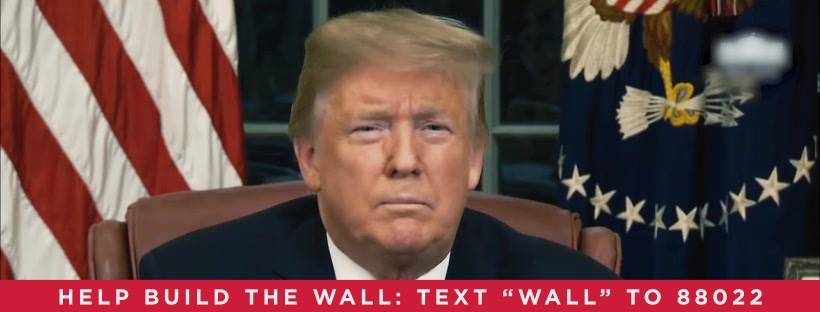
President Donald Trump signed phase one of the U.S. trade deal which China on Wednesday, January 15, finally ending the almost two-year trade war between the two largest economies of the world.
The trade war’s ending should be good news for farmers and a positive development for Donald Trump’s 2020 election efforts. “Together we are righting the wrongs of the past and delivering a future of economic justice and security,” Trump said from East Room of the White House where the signing took place, according to CNN. “Most people thought this could never happen.”
Donald Trump’s counterpart China's President Xi Jinping was not able to attend the signing but sent a letter through Vice Premier and top negotiator Liu He. In the letter, Xi noted that the agreement is proof that differences between China and the U.S. could be resolved through dialogue.
In his letter, Xi also expressed optimism for future trade relations between the two countries and said that the agreement is “good for China, the US, and the whole world.” He also hoped that the U.S. would fairly treat Chinese firms doing business in America.
Under the agreement, China commits to buying at least $200 billion worth in U.S. exports within the next two years, according to CNBC. These include “manufactured goods, food, agricultural, energy products and services.” Based on White House estimates, China will buy $35 billion in services, $53 billion in energy, $80 billion in manufactured goods and $32 billion in agricultural exports.
There is also a set minimum amount of agricultural products that China will buy from the U.S. each year. For the first year, China has promised to buy$12.5 billion in agricultural products and another $19.5 billion in the second year. The deal could help stop the U.S. declining agricultural export since the trade war started.
“China was once the largest market for U.S. agricultural products but has dropped to fifth largest since retaliatory tariffs were introduced,” American Farm Bureau Federation President Zippy Duvall told CNN. “This agreement will help turn around two years of declining agricultural exports.”
For its part, the U.S. will reduce tariffs from 15 percent to 7.5 percent on $120 billion worth of Chinese products.







