


 SEC Seeks ISS Client Voting Records in Proxy Adviser Probe
  Houthis Escalate Saudi Attacks as Red Sea Oil Risks Grow
  Nvidia CEO Jensen Huang Expected at Trump-Xi State Dinner
  TikTok, DOJ Reach $400 Million Children’s Privacy Settlement
  US Confirms Weapons in Orbit as Space Tensions Rise
  Houthi Red Sea Gains Strengthen Iran’s Leverage Over Gulf States
  Australia Defends Social Media Algorithm Law Amid US Concerns
  Maduro Seeks Dismissal of US Drug Trafficking Charges
  UK PM Andy Burnham Set for First Trump Meeting in New York
  Trump Open to Chinese Automakers Building Cars in US
  Countries Tighten Social Media Bans for Children
  Bill Gates Warns Governments Are Unprepared for AI Disruption
  Trump Rejects Calls for Tougher AI Regulation
  US Court Approves airBaltic Chapter 11 Restructuring
  FDA Names Permanent Drug and Biologics Center Chiefs
  Sweden Election: Centre-Left Holds Narrow Lead
  U.S. Imposes New Visa Restrictions Over South Africa Policies


 Add as a preferred source on Google
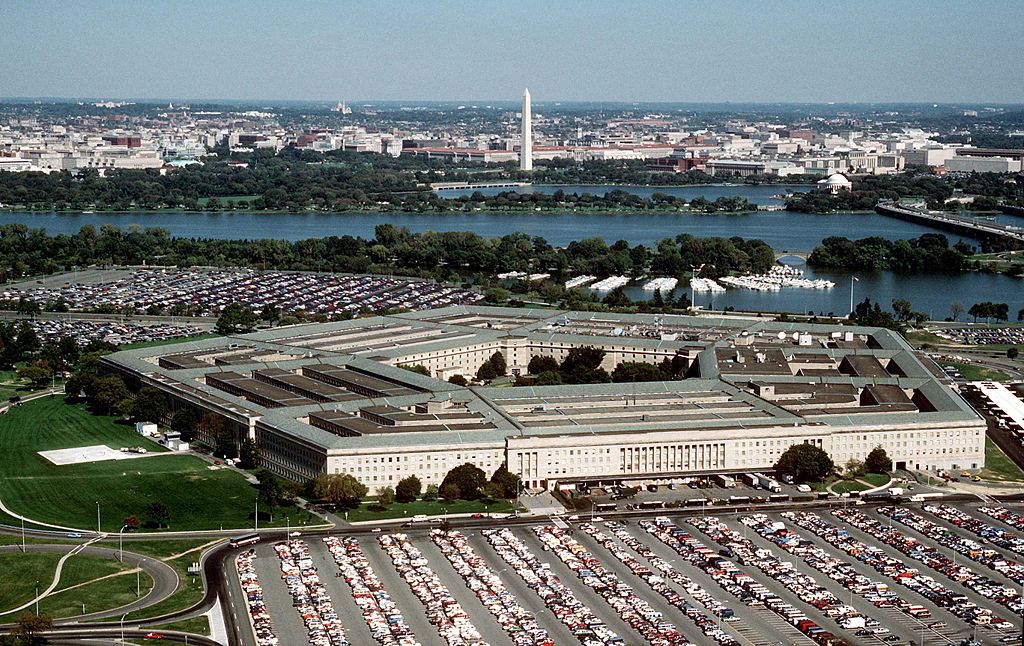
A U.S. appeals court has ruled that the Trump administration may continue enforcing its ban on transgender individuals seeking to enlist in the military while ongoing legal challenges proceed. However, the court also blocked the government from removing currently serving transgender military personnel, marking a significant development in the debate over transgender rights in the armed forces.
In a 2-1 decision issued Monday, the U.S. Court of Appeals for the District of Columbia Circuit determined that the Pentagon can maintain restrictions on new transgender recruits due to its broad authority to establish military enlistment standards. At the same time, the court concluded that forcing active transgender service members out of the military would cause far greater harm than delaying entry for prospective recruits.
Circuit Judge Robert Wilkins, appointed by former President Barack Obama, wrote that ending an established military career would impose a more severe hardship than postponing the start of one. The ruling partially supports an earlier federal court decision that had blocked the entire policy from taking effect.
The case stems from a January 2025 executive order signed by President Donald Trump, which argued that adopting a transgender identity conflicts with military values and readiness. Defense Secretary Pete Hegseth later implemented the order, prompting legal action from transgender service members and advocacy organizations.
LGBTQ rights group GLAD Law, representing the plaintiffs, welcomed the decision. Attorney Jennifer Levi stated that the ruling confirms there is no legitimate justification for dismissing transgender troops who have consistently met military standards and demonstrated their commitment to service.
Judge Justin Walker, a Trump appointee, dissented, arguing that courts lack the expertise and authority to determine military personnel policies.
The decision follows a May 2025 U.S. Supreme Court ruling that allowed the transgender military policy to take effect in a separate case. While the Supreme Court did not provide detailed reasoning, the D.C. Circuit noted that the ruling may have been based on procedural considerations rather than the policy’s legality.
The dispute is part of a broader effort by the Trump administration to roll back federal recognition and accommodations for transgender individuals. The U.S. military currently has approximately 1.3 million active-duty personnel, with estimates placing the number of transgender service members in the thousands.







