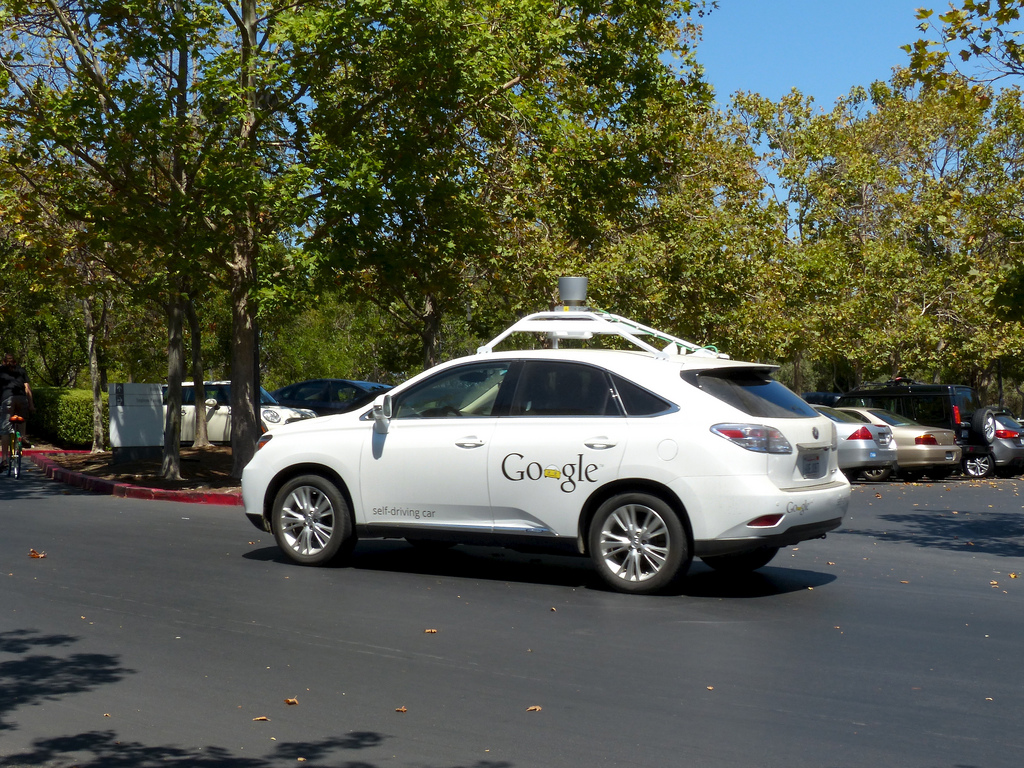
Testing self-driving technology is an important step to developing cars that can drive themselves with an acceptable level of control. Unfortunately, such tests can take a lot of time. According to researchers from the University of Michigan, testing time can be reduced by up to 99.99 percent in order to place driverless vehicles on the roads much sooner.
The researchers in question are Huei Peng and Ding Zhao, and according to the paper that they published, accelerating self-driving car tests by a factor of up to 300,000 can actually be done. This is directly tied to the distance that driverless cars would need to travel to gather data, which can be millions of miles.
“This approach can reduce the amount of testing needed by a factor of 300 to 100,000 so that an automated vehicle driven for 1,000 test miles can yield the equivalent of 300,000 to 100 million miles of real-world driving,” the paper reads.
In a university post, Peng also notes the inefficiency of some of the test models that tech companies are using. According to his assessment, most of them don’t even get the results that they are actually looking for.
“Even the most advanced and largest-scale efforts to test automated vehicles today fall woefully short of what is needed to thoroughly test these robotic cars,” Peng said.
As to the actual solution that the researchers are proposing, it involves breaking down the data that have been gathered so far, identifying the relevant details, and testing only those repeatedly. As a result, even a minimum amount of driving data can still produce significant results.
If the new method gets widespread adoption, it could potentially accelerate the rate of self-driving developments by a huge margin. What would have taken decades could be done in years, if not months. This is important because, as numerous studies already state, self-driving cars could save a lot of lives.