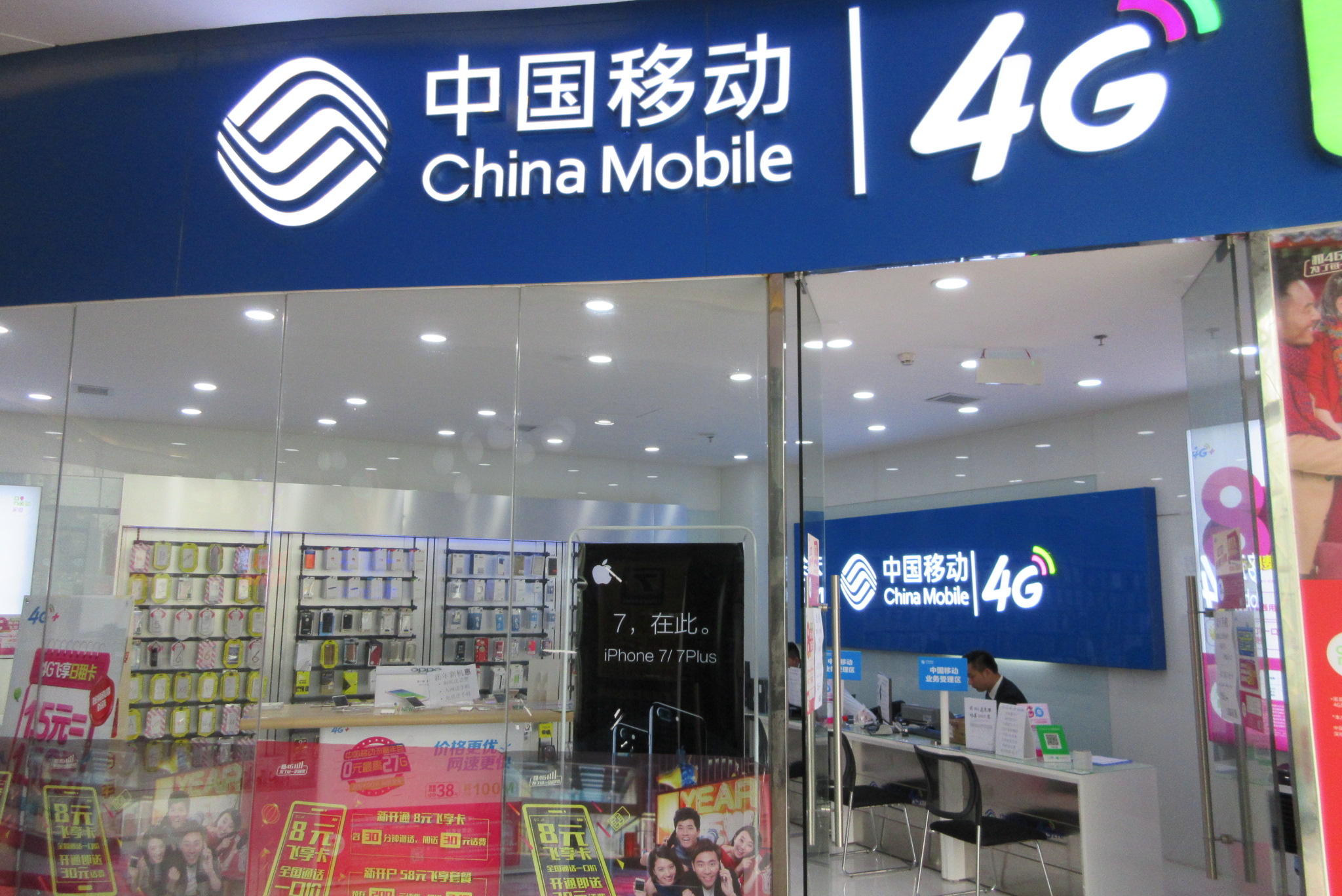
The demand for smartphones in China has dropped significantly, which resulted in Apple no longer being on the country’s top 4 best sellers’ list. This is a record low for the industry, with the shipment of units to the country being at its lowest point since 2013. It has also become clear that the nation’s four major manufacturers are now the ruling brands in China.
According to an analysis by the firm Canalys, shipment of smartphones to China dropped by 21 percent at 91 million units. Of the top 10 vendors in the country, 8 suffered disappointments in sales numbers, which included Apple.
It’s worse for some than it is for others, with Samsung seeing only about half its sales numbers in the country compared to the same period of Q1 2017. In contrast, local players Huawei and Xiaomi are seeing growth in sales.
“Huawei (including Honor) managed to grow shipments by a modest 2%, maintaining its lead and consolidating its market share to about 24% by shipping over 21 million smartphones. Second-placed Oppo and third-placed Vivo bore the brunt of the overall decline, with shipments falling by about 10% to 18 million and 15 million respectively. Xiaomi was the only company to buck the trend, growing shipments by 37% to 12 million units, and overtaking Apple to take fourth place,” the report reads.
According to one of the analysts of the firm, Mo Jia, one of the major reasons for the development include the challenges in actually marketing in a place as huge as China.
"The costs of marketing and channel management in a country as big as China are huge, and only vendors that have reached a certain size can cope," Jia said, adding, "While Huawei, Oppo, Vivo and Xiaomi must contend with a shrinking market, they can take comfort from the fact that it will continue to consolidate.”
As CNBC notes, however, the rise of Huawei and Xiaomi are not surprising and has actually been expected for some time. The return to growth in sales is also expected to occur during Q2 of this year.