


 Gold Steady as Softer U.S. Inflation Eases Fed Rate Hike Bets
  US Alcohol Ban Exposes Canada’s Internal Trade Barriers
  BOJ Set for 25-Basis-Point Rate Hike as Yen Weakness Fuels Inflation
  Asian Currencies Mixed as Yen Slides on BOJ Rate Signals
  US Stocks Slip as Treasury Yields Ease, AI Trade Rebounds
  South Korea Exports Surge 83.5% on AI Chip Boom
  Central Banks Could Buy 20,000 Tonnes of Gold: BofA
  Trump Eyes $54 Billion South Korean Investment in Alaska LNG
  U.S. Stock Futures Steady as AI, Rate Concerns Weigh
  Gold Rebounds as Oil Falls and Treasury Rout Eases
  RBA Says ASX Still Falls Short on Governance and Risk Controls
  Dollar Eases Near Two-Month High as Yen Rebounds


 Add as a preferred source on Google
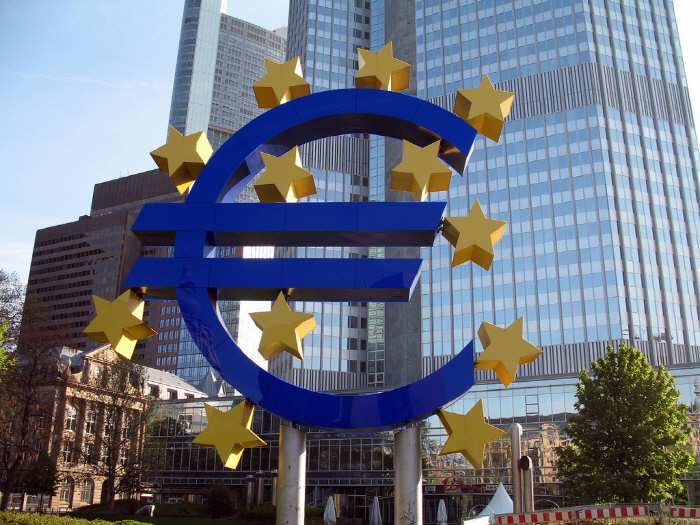
The European Central Bank (ECB) is expected to cut interest rates by 25 basis points on Thursday, bringing the deposit rate to 2.5%. While this move has been widely anticipated, it may be the last straightforward decision for a while as economic challenges intensify.
Trade tensions with the U.S. and increased defense and infrastructure spending by Germany and the European Commission are reshaping Europe's economic landscape. The ECB has swiftly reduced rates over the past nine months as inflation eased and growth slowed. However, as rates near levels that no longer restrict growth, the outlook for further easing becomes more complex.
Market expectations suggest two more rate cuts this year, but internal divisions among policymakers are growing. Analysts note that while the ECB’s guidance is unlikely to change immediately, uncertainty about future moves is rising. The central bank’s latest projections, based on outdated data, may struggle to capture the rapidly shifting economic environment.
Investors will closely watch whether the ECB maintains its stance that monetary policy remains "restrictive." Dropping this phrase could signal a shift in direction, though it wouldn’t necessarily mean an end to rate cuts. ECB President Christine Lagarde’s post-decision remarks will be critical in shaping market expectations.
With cooling wages, employment concerns, and the impact of U.S. tariff threats on the eurozone, the ECB is under pressure to navigate a highly uncertain economic climate. The policy decision will be announced at 13:15 GMT, followed by Lagarde’s press conference at 13:45 GMT.







