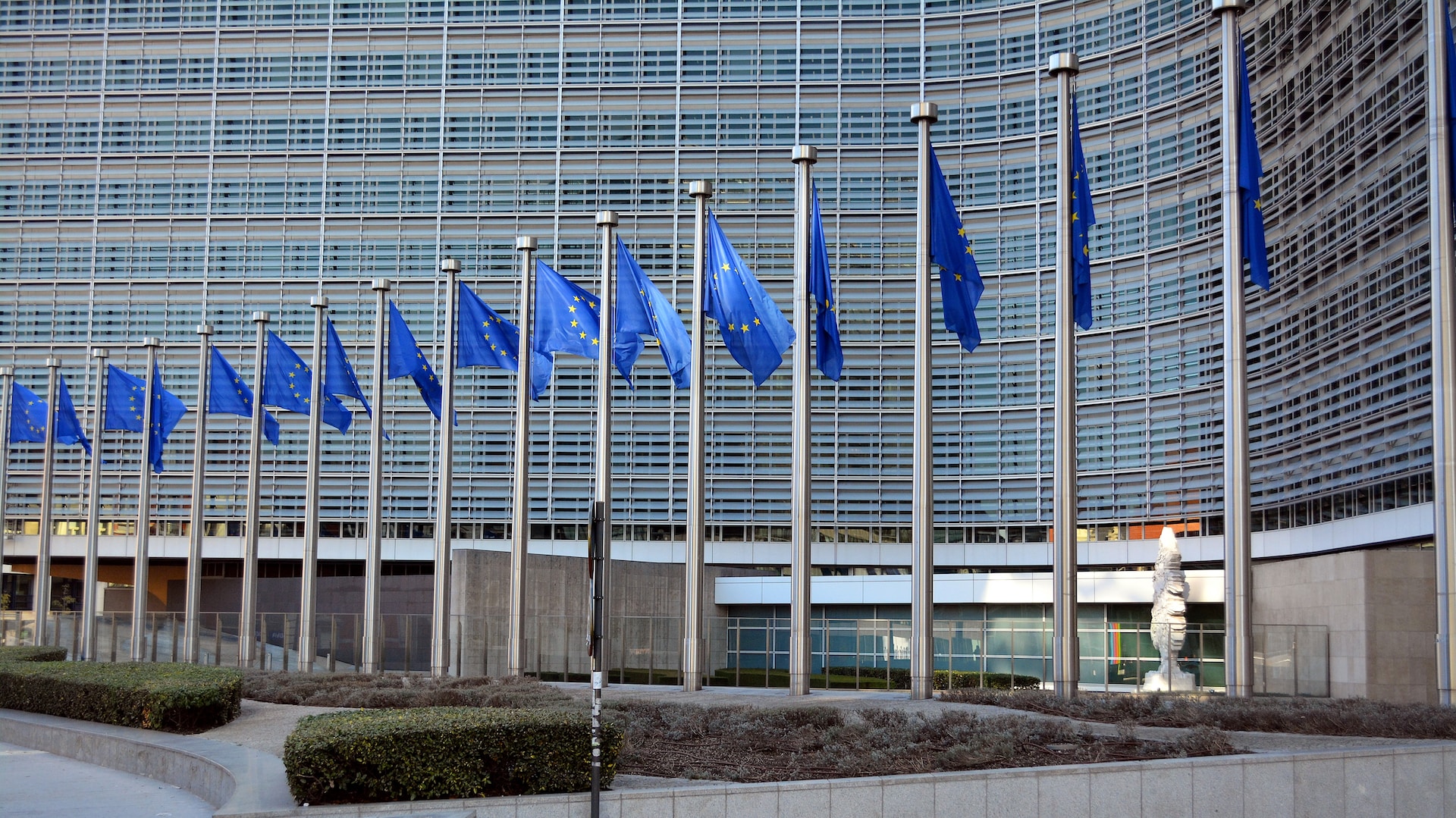
This week, European Union countries have given their approval to what would be the first comprehensive legislation regulating cryptocurrency in the world. This follows the approval by the European Parliament last month and would take effect in 2024.
The EU countries gave the final approval to what would be the world’s first comprehensive bill regulating crypto assets on Tuesday. The approval was made during an EU finance ministerial meeting in Brussels. The approval by EU countries follows its passage in the European Parliament back in April, and it is set to take effect in 2024.
This comes as regulating cryptocurrency has become an urgent need for regulators following the collapse of the crypto exchange FTX. The rules would now require firms that would want to issue. trade or safeguard crypto assets, tokenized assets, and stablecoins in the bloc to obtain a license.
“Recent events have confirmed the urgent need for imposing rules which will better protect Europeans who have invested in these assets and prevent the misuse of crypto industry for the purposes of money laundering and financing of terrorism,” said Swedish finance minister Elisabeth Svantesson, as Stockholm currently chairs the EU.
The bloc’s ministers have also taken steps to combat tax evasion and the use of crypto asset transfers for money laundering by making transactions easier to trace. The bloc agreed on the requirement that starting January 2026, service providers will obtain the names of senders and beneficiaries in crypto assets, regardless of the amount that was being transferred.
The ministers also agreed on revising rules on how EU member countries cooperate with each other on the taxation that would cover transactions of crypto assets and in exchanging information on advance tax rulings for the wealthiest.
Meanwhile, the EU and the United Kingdom have reached an agreement on strengthening cooperation on migration with a new working arrangement between British agencies and the European Border and Coast Guard Agency, according to a readout of a meeting between British Prime Minister Rishi Sunak and European Commission President Ursula von der Leyen during a Council of Europe Summit in Iceland.
Photo: Carl Campbell/Unsplash(CC by 2.0)