


 GLP-1 Weight-Loss Drug Use Surges Among U.S. Children
  HUTCHMED, AstraZeneca Seek FDA Approval for Lung Cancer Combo
  FDA Investigates New Cyclospora Outbreak as U.S. Cases Continue to Rise
  AstraZeneca, Bristol Myers Squibb Explore Mega Merger Worth Nearly $400 Billion
  US-Backed Pediatric HIV Treatment Drops After Foreign Aid Changes, Study Finds
  Trump Signs Order to Cut Routine Childhood Vaccines
  Novo Nordisk Raises 2025 Outlook Despite Wegovy Pill Miss and CagriSema Setback
  3 clinical-grade skincare creams you really shouldn’t buy online
  Venezuela Earthquake Health Risks Rise as Disease Monitoring Intensifies
  Novo Nordisk Eyes Turnaround as Oral Wegovy Challenges Eli Lilly in Weight-Loss Drug Race
  Novartis M&A Strategy Faces Investor Scrutiny After Drug Setbacks
  Trump Administration Bars U.S. Travelers From Congo Flights Amid Ebola Outbreak
  Hims & Hers Shares Fall as GLP-1 Costs Widen Q2 Loss


 Add as a preferred source on Google
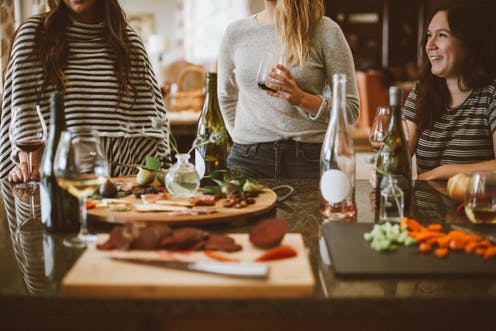


Holidays are often a time of overindulgence and food-based regret. That’s partly because when people eat together, they tend to eat more.
But if you’re aware of the things that encourage you to eat more than you need – and perhaps more than you plan to – you might be able to nudge yourself towards eating less than you would otherwise.
Here are eight evidence-based actions you can take to actively control your food intake in the face of the abundant food on offer during the holiday season.
1) Plan your shopping list
If you’re hosting, setting out more food than you and your guests could reasonably eat is a surefire way to lead people to overeat.
Pre-plan your meals and food offerings. Make sure you stick to your shopping list and don’t shop for food when you’re hungry, or you’re likely to make impulse buys.
2) Don’t bring it into the house
If Santa brings chocolate, lollies and candy canes, of course people are going to eat them!
Start by limiting both the type and amount of food you bring into the house. And if you do slip up, keep the junk food out of view because if you can’t see it, you’re less likely to want to eat it.
3) Reduce portion sizes
Serve more and you’ll eat more, with no increase in satisfaction. One study found doubling the serving size resulted in people eating 35% more.
Conversely, if you reduce portion sizes, you’ll eat less. Just make sure the portion size doesn’t get too small, otherwise you’ll start compensating and end up eating more.
4) Use smaller plates
In situations where you’ll be self-serving, choose a smaller plate size. With a smaller area, you’re likely to end up with less food on your plate.
Conversely, doubling the sizes of plates and bowls leads to higher food consumption – 13% for plates and 51% for bowls.
5) Use tall, thin glasses
Tall, thin glasses look like they contain more volume than short, fat ones. Drinking out of champagne glasses not only looks elegant, it also encourages you to drink less than you otherwise might.
6) Use the power of social influences
Be aware of the example you’re setting for others, and how others’ habits affect you. People tend to match food consumption of people around the table.
In conditions where others are eating a lot, this can lead to overeating, so consider drafting a “designated eater” who sets the example for all.
7) Beware the multiple effects of alcohol
What is a holiday feast without alcohol? A lot less fattening! Alcohol contains 29 kilojoules per gram, or about 954 kilojoules for a 250 ml glass of wine.
Alcohol also numbs the stomach and delays the signals to your brain to tell you you’ve eaten enough, resulting in overeating.
8) Cut down on processed foods
Reducing the energy density of foods can be an easy way to reduce the number of kilojoules you consume without giving up on the satisfaction of a filling meal.
Research shows people who replace processed foods with a more natural alternative find it easier to limit their intake and therefore maintain their weight or lose weight.







