
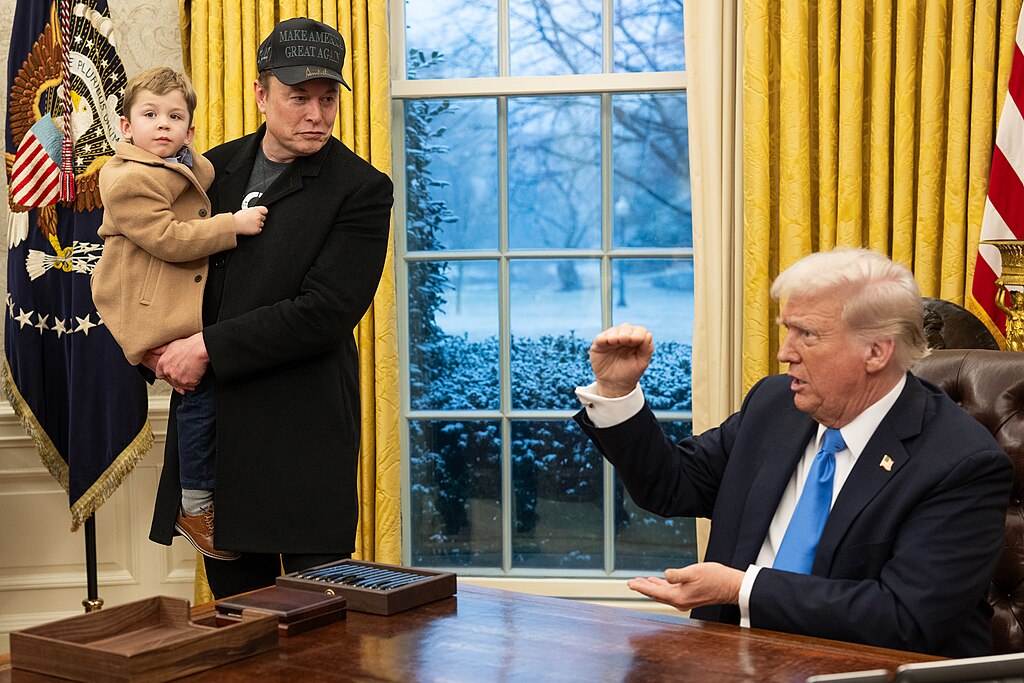
Elon Musk is reducing his involvement with the Department of Government Efficiency (DOGE), a Trump-era agency tasked with cutting federal spending and workforce. Created by executive order on Trump’s first day back in office, DOGE was spearheaded by Musk and has aggressively pursued cost-cutting measures through layoffs, service reductions, and contract cancellations.
Now, Musk plans to limit his government role to just one or two days a week to focus on Tesla (NASDAQ:TSLA), prompting a shift in DOGE’s internal power dynamics. According to two senior officials, Trump’s Cabinet members are preparing to reclaim authority over agency staffing and budgets—areas where they felt Musk’s appointees overstepped.
Cabinet tensions peaked in March when Secretary of State Marco Rubio and Transportation Secretary Sean Duffy challenged Musk’s proposals, including controversial air traffic controller layoffs. Without Musk’s full-time presence, Cabinet secretaries are expected to steer future budget reforms with less resistance, opting for targeted cuts over sweeping reductions.
DOGE’s influence, however, is unlikely to disappear. Executive orders have already embedded many of its reforms into agency operations. Legal expert Nick Bednar notes that “the train has left the station,” suggesting that DOGE’s downsizing agenda will continue regardless of leadership changes.
Amy Gleason, appointed as acting administrator earlier this year, may take on a greater leadership role. Meanwhile, Musk claims DOGE’s foundational work is “mostly done,” with many agencies already internalizing its cost-saving strategies.
White House spokesperson Harrison Fields insists DOGE’s mission remains unchanged, describing it as “on cruise control” and aligned with President Trump’s agenda.
Musk’s partial exit could actually strengthen DOGE’s mission, said watchdog leader Tom Schatz, who believes the agency may operate more effectively with less media scrutiny.


