


 Trump Denies Russia and China Are Helping Iran in U.S. Conflict
  Zelenskiy Offers Russia Energy Truce Amid Trump Pressure
  India Voter List Protests Reach Supreme Court as Opposition Demands Election Chief's Resignation
  Trump Calls for Zelenskyy Replacement Amid Russian Diesel Deal
  Russian Strikes Kill Six in Ukraine, Including Three in Kharkiv
  Trump Announces Russia-Ukraine Energy Ceasefire as Zelenskiy Awaits Details
  European Auto Stocks Rise as EU-China Trade Deal Targets Hybrid Imports
  Pakistan Declares Emergency in Khyber Pakhtunkhwa, Suspends Imran Khan’s PTI Government
  Jordan Bardella Antisemitism Allegations Threaten Le Pen’s Campaign
  US Condemns China Sanctions on Taiwan Allies Belize and Paraguay
  Greenland Lawmakers Back Trump Security Deal Despite Economic Concerns
  US Authorities Raid Ilhan Omar’s Home Amid Immigration Fraud Probe
  UK Finance Minister Healey Calls for Fiscal Discipline Amid Global Risks
  Mahmoud Abbas Postpones Palestinian Elections to September 2027
  North Korea Fires Ballistic Missiles as Tensions With South Korea Escalate
  Trump Plans White House Shake-Up of Key AI Safety Agency
  Most Americans Oppose Election Betting on Prediction Markets, Poll Finds


 Add as a preferred source on Google
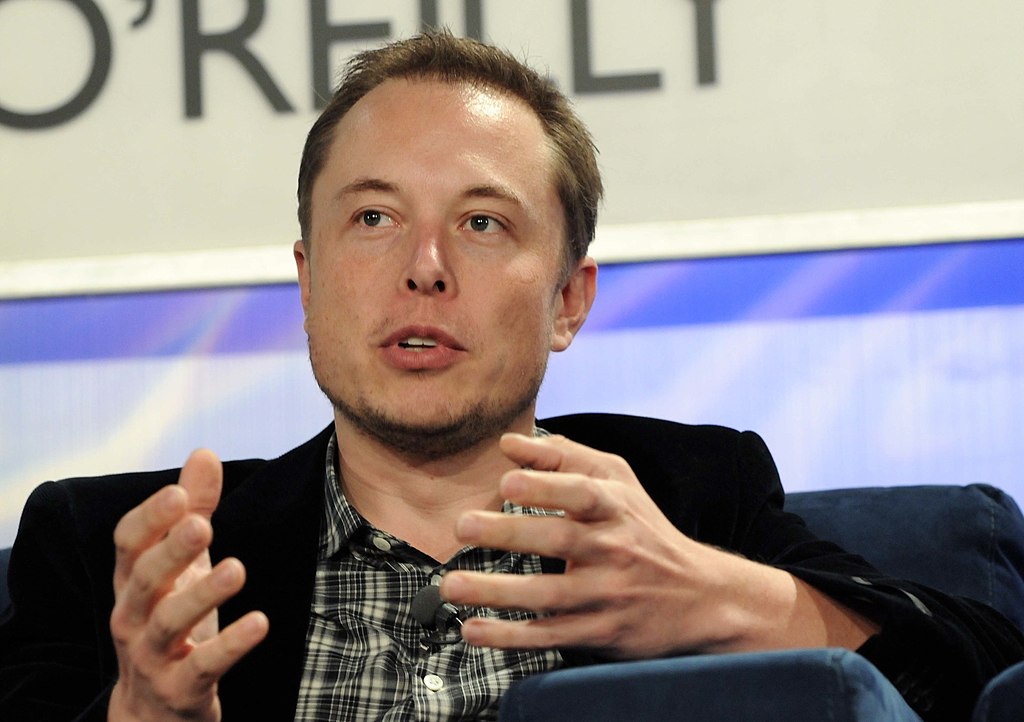
Elon Musk’s involvement in U.S. politics has reached new heights as his super PAC, named @america, has reportedly spent over $100 million to support former President Donald Trump’s bid for re-election. The tech billionaire and CEO of Tesla and SpaceX has increasingly aligned himself with conservative figures, amplifying his belief that “power should belong to the people.”
This massive investment has raised eyebrows across the political spectrum, with critics and supporters weighing in on Musk's unprecedented backing of Trump.
$100 Million Campaign to Reinforce Trump's Bid
Musk’s super PAC, @america, has taken a bold stance by funneling over $100 million into Trump’s re-election campaign, marking one of the largest contributions in modern U.S. election history. According to sources familiar with the matter, the funds have been used to boost Trump’s media presence, campaign ads, and various ground efforts across key battleground states ahead of the 2024 election.
"Power should belong to the people," Musk stated in a recent interview, doubling down on his belief that his financial backing will support policies that prioritize individual freedoms and technological advancement.
Elon Musk’s Political Evolution
While Musk has typically avoided direct involvement in politics in the past, his role has shifted in recent years. Once known for his apolitical or libertarian-leaning stance, Musk’s alignment with Trump has left many questioning whether his recent business endeavors and personal views have pulled him deeper into the political arena. His outspoken opposition to what he calls "woke culture" and his criticism of government regulations have led him to embrace figures like Trump, whose policies align with Musk's views on deregulation and free enterprise.
However, this massive financial backing has caused a stir within Musk’s fan base. While some supporters praise his decision to get involved and wield influence, others argue that such massive contributions raise ethical questions about the role of billionaires in shaping U.S. democracy.
Backlash and Support
Musk’s $100 million contribution to Trump's campaign has triggered a wave of reactions. Supporters of Trump see this as a powerful endorsement that could help turn the tide in the upcoming election, where Trump seeks to recapture his former political glory.
Critics, however, argue that Musk's money could disproportionately influence the election, undermining the idea that democracy should be a level playing field. "When a single billionaire is pouring this much money into a campaign, it raises questions about the role of wealth in democracy," said a political analyst from Washington D.C.
Musk’s alignment with Trump has also caused divisions within Silicon Valley. While some tech leaders have openly supported his political moves, others express concern that Musk’s views on free speech and deregulation may not align with the industry’s progressive ideals.
Musk’s Message: People’s Power
Musk has repeatedly emphasized that his political engagement stems from his desire to empower people. “Power should belong to the people,” Musk tweeted, justifying his massive contribution to Trump’s campaign. He believes that by supporting Trump, he’s advocating for a government that emphasizes economic growth, deregulation, and freedom of speech.
As the 2024 election looms, Musk’s involvement is likely to continue drawing attention. Whether his influence will make a decisive difference in the election remains to be seen, but one thing is clear—Elon Musk is not shying away from using his financial resources to sway the future of U.S. politics.
Conclusion
With over $100 million spent to boost Trump’s campaign, Musk’s foray into politics is making waves. His influence over the future direction of the United States remains a controversial topic as voters grapple with the role of wealth in shaping political outcomes.







