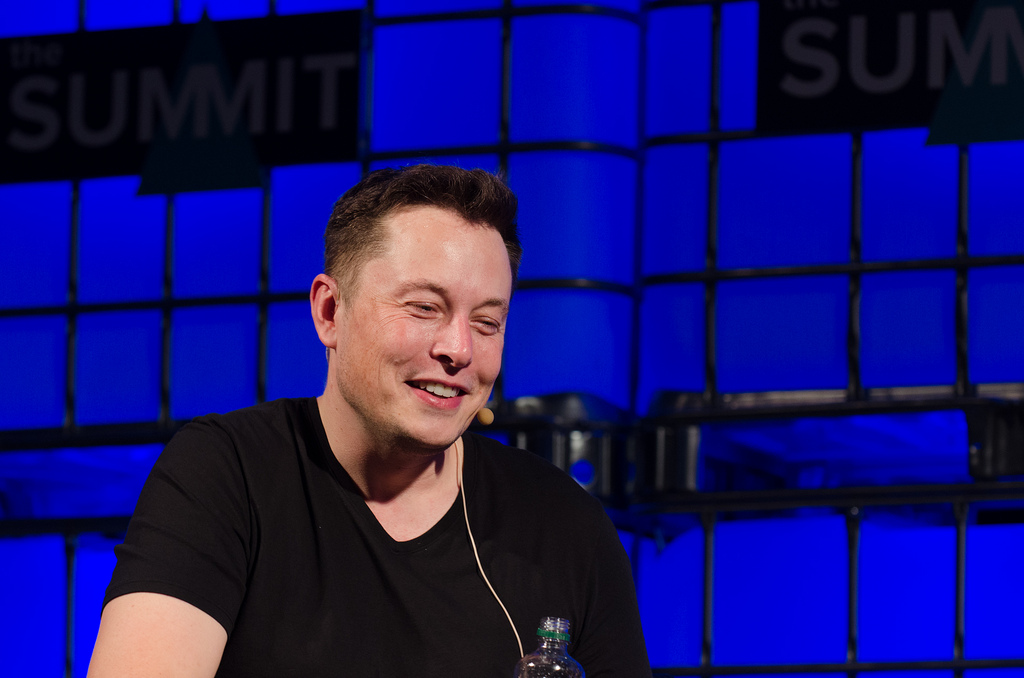
Five days ago, Tesla and SpaceX CEO Elon Musk sent out a Tweet with a graph that indicates how his private space company has basically become the biggest name in the aerospace market. The tech billionaire then followed that up with another Tweet saying that other companies are basically doing nothing while reaping huge benefits from governments, particularly the United Launch Alliance (ULA).
Worth noting that Boeing/Lockheed ("Other US" on chart) get a billion dollar annual subsidy even if they launch nothing. SpaceX does not. https://t.co/Mi27ZnYLRJ
— Elon Musk (@elonmusk) July 13, 2017
“Worth noting that Boeing/Lockheed ("Other US" on chart) get a billion dollar annual subsidy even if they launch nothing. SpaceX does not,” the Tweet sent on July 13th reads.
In response, ULA President and Chief Executive Tony Bruno fired back, saying that this claim was a myth. Bruno then had to spend a few minutes contending with a few other Twitter users asking him questions about the claim that Musk made as well as a few other details about the company.
“Sorry. That is simply not true. There is no "billion dollar subsidy". Amazing that this myth persists,” Bruno wrote.
In order to get to the bottom of the issue, Futurism looked into the matter and received a document that indicates both claims are right in a way. The document in question is the Department of Defense Fiscal Year (FY) 2018 Budget Estimates and according to the files, ULA did receive upwards of $1 billion in funding from the federal government.
However, the organization has argued in the past that this is not actually a subsidy. When contacted to comment on the documents that Futurism received, a ULA representative told the publication to refer to the 2016 Space News Op-Ed covering the matter. In the article, Bruno explained why the criticisms being hurled at the organization over receiving money for nothing is false.
“Critics have asserted that ULA receives $800 million per year in a contract “for doing nothing,” stating that it was a “retainer” or “subsidy” for ULA to “stay in business” for the Air Force. This is untrue and reveals a fundamental lack of understanding of this innovative contracting mechanism,” Bruno said at the time.