


 Physicists zoom into the birth of cosmic rainstorms with new CERN study
  What is Zionism? The different meanings of a contested term
  Gold Slides to $4,262 as Hawkish Fed Rate Hike Triggers Technical Breakdown
  Unsustainable – or manageable? We don’t yet know how data centres will impact Australia’s environment
  Synthetic data could ease people’s concerns about privacy breaches. But who gets to create it?
  Who should own the knowledge that underpins AI technology?
  AI is supercharging money scams – here’s what you can do to protect yourself
  1 in 3 uni students experience serious financial hardship. Could concession cards for all help?


 Add as a preferred source on Google
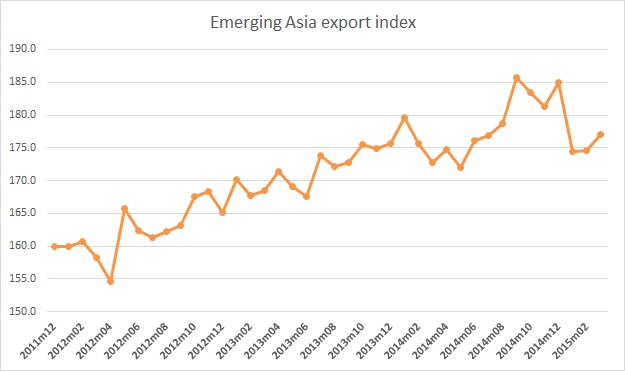
Emerging market economies face tough challenge this year in spite of favorable energy and commodity prices. While weaker energy prices provides boost to Emerging Asia's trade balance by reducing import costs, monetary easing by developed economies pose challenge for both exports and imports.
- As per latest figure available, Emerging Asia exports dropped at sharpest pace in the beginning of 2015 and lagging since then. According to economists this can be the trend for 2015. Most of the weakness is coming from China.
- Record easing from Bank of Japan (BOJ) and European Central Bank (ECB) has put downward pressure on their respective exchange rate, which makes exports from emerging markets to those countries less competitive. Moreover European goods are flocking into Asian markets.
Another challenge faced by emerging market economies is capital flight.
- Emerging markets economies usually offer higher interest rates on their sovereign and corporate securities. Now with US Federal Reserve raising interest rates, emerging market rates are now less attractive considering the risk.
Chinese Shenzhen composite index has returned more than 100%, so far this year, but that hasn't stopped investors to pull money out of the country.







