


 Russia Eyes Putin-Trump-Xi Trilateral Meeting at China APEC Summit
  U.S. Issues Cuba Health Alert as Illnesses Rise
  Trump Administration Pauses Visa Appointments Worldwide
  USS Abraham Lincoln Leaves Thailand After Five-Day Port Visit
  Countries Tighten Social Media Bans for Children
  Turkey Targets 5% Economic Growth by 2029
  Trump Signs Order to Cut Routine Childhood Vaccines
  Putin Meets US Envoys in Moscow as Ukraine Peace Push Intensifies
  SEC Probes Banks Over Situational Awareness Hedge Fund Collapse
  China Exports Surge 25% in August as Trade Surplus Hits $119 Billion
  Oil Prices Climb as Iran Threatens Gulf Energy Infrastructure
  Israel Strikes Southern Lebanon After Hezbollah Drone Attack
  Trump Targets 1,000 U.S. Space Launches Annually by 2030
  Google Changes EU Spam Policy Amid Antitrust Scrutiny
  OPEC+ Expected to Hold October Oil Output Steady
  Iran Plans New Gulf Restricted Zone as Hormuz Tensions Push Oil Higher
  Japan, U.S. Stay Aligned on Yen as Currency Surges


 Add as a preferred source on Google
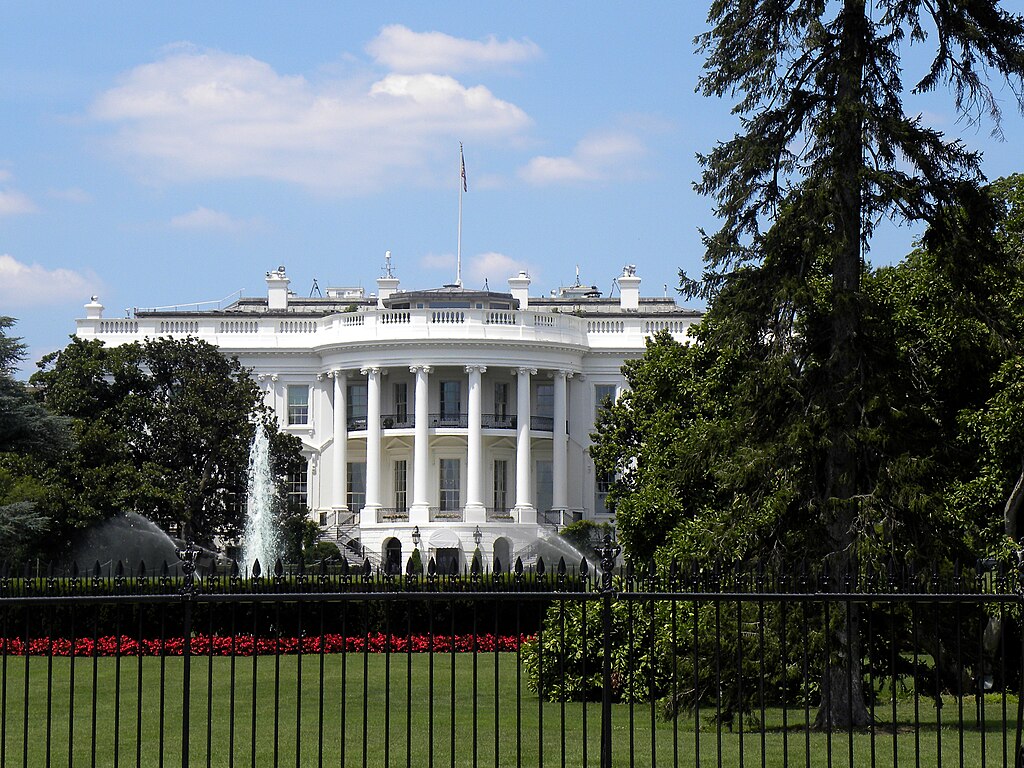
The White House issued an internal warning to staff on March 24, cautioning employees against exploiting their government positions to gain an unfair advantage in financial futures markets. The directive came just one day after President Donald Trump ordered a temporary pause on certain strikes targeting Iran's energy infrastructure — a decision that triggered a dramatic crash in global oil prices.
The timing of the warning has drawn significant attention, as it follows a pattern of unusually well-timed trades that appear to anticipate major policy announcements. According to exchange data reviewed by Reuters, an unidentified trader or group of traders placed approximately $500 million worth of bets on Brent and WTI crude oil futures within a single minute — just before Trump announced a five-day delay on March 23 in planned strikes against Iranian oil facilities. Oil prices subsequently fell by roughly 15%, potentially generating enormous profits for whoever executed those trades.
Financial watchdogs and policy experts have raised serious concerns about whether confidential government information may have been leaked ahead of these key decisions, enabling opportunistic trading that could constitute illegal insider activity. The pattern has become difficult to ignore, with multiple high-stakes market moves appearing to foreshadow significant White House announcements.
White House spokesman Davis Ingle addressed the issue directly, stating that while Trump remains committed to fostering a strong and prosperous stock market for all Americans, government officials and members of Congress must be strictly prohibited from using non-public information for personal financial gain. The staff-wide email, reportedly distributed by the White House management office, reinforces existing legal and ethical boundaries surrounding the use of privileged information in financial markets.
The situation has reignited broader calls for stronger enforcement of insider trading laws as they apply to government officials, with growing bipartisan pressure to ensure accountability and transparency at the highest levels of power.







