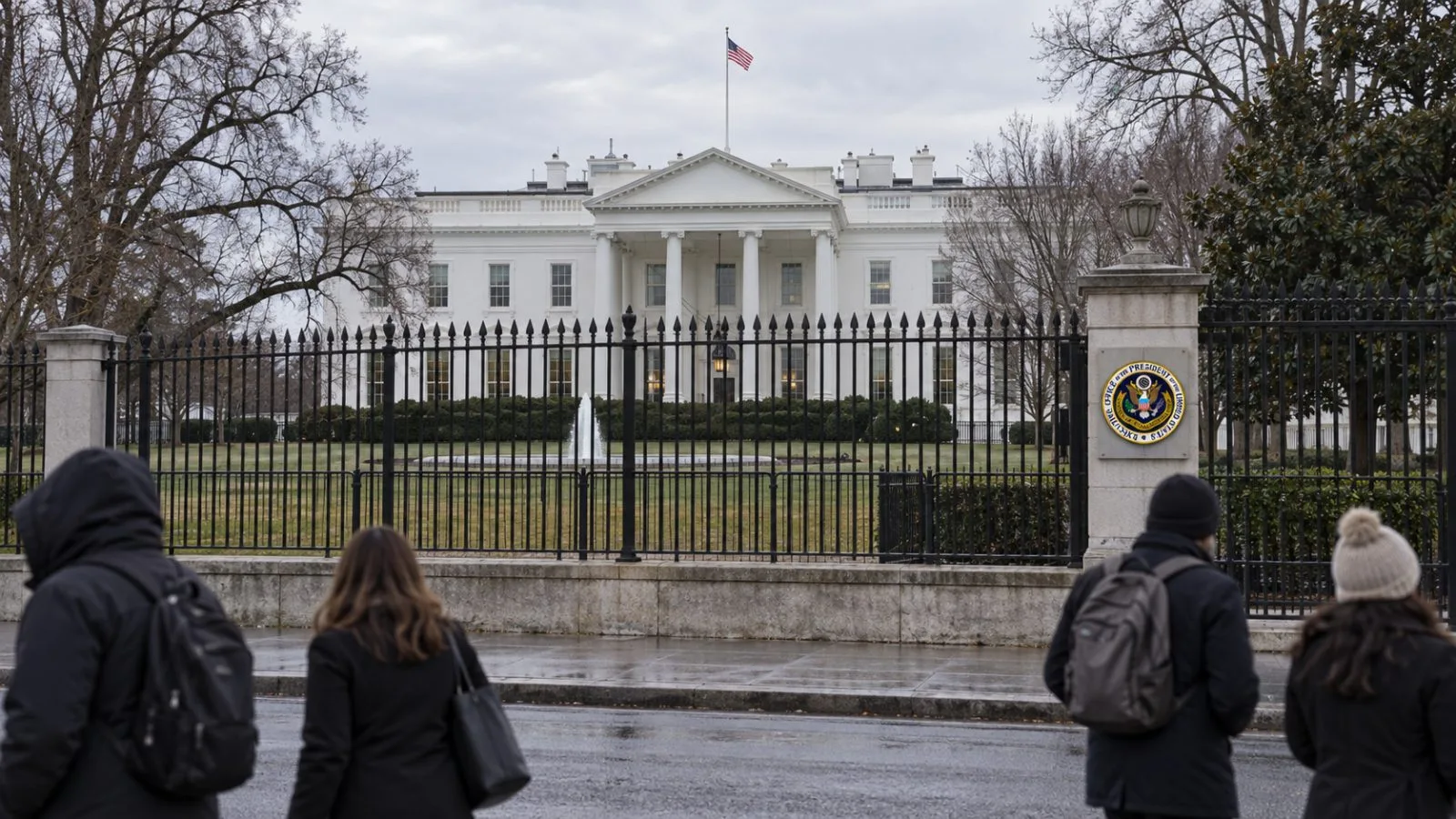
A fragile two-week ceasefire between the United States and Iran is showing serious cracks just one day before scheduled peace negotiations in Pakistan. Washington has accused Tehran of violating commitments related to the Strait of Hormuz, while continued Israeli strikes on Lebanon are further complicating diplomatic efforts.
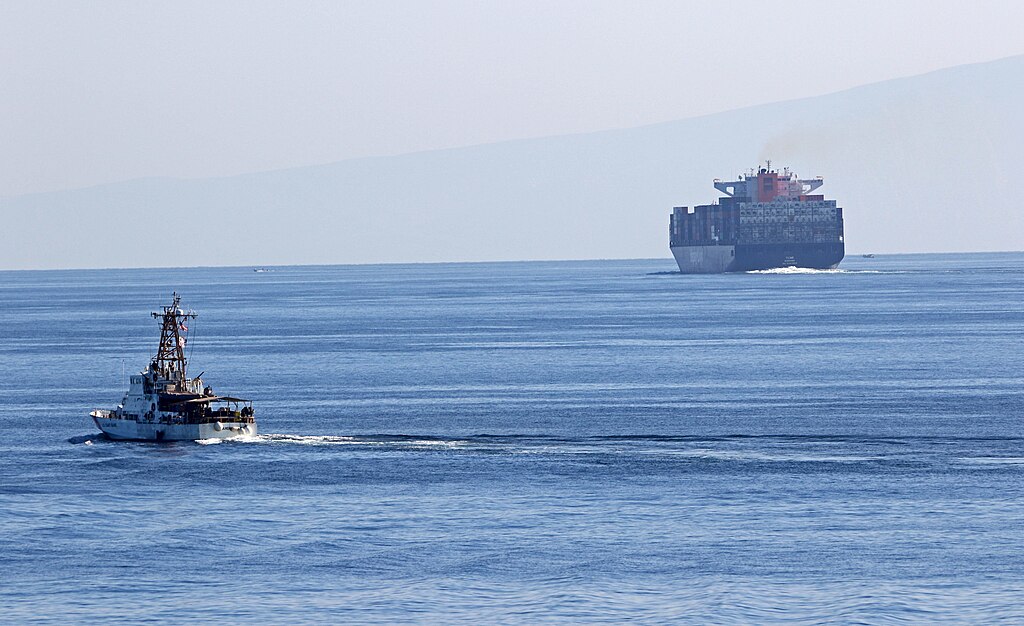
The Strait of Hormuz, a critical global energy corridor that typically handles around a fifth of the world's oil and liquefied natural gas shipments, remains heavily restricted under an Iranian blockade. In the first 24 hours following the ceasefire announcement, only a handful of vessels passed through — a dramatic drop from the usual 140 ships per day. President Donald Trump publicly criticized Iran's compliance, stating the country was doing a "very poor job" of honoring the agreement.
Iran, for its part, pointed to ongoing Israeli military operations in Lebanon as a major sticking point. Israeli forces carried out significant strikes, including hits on rocket launchers after Hezbollah fired projectiles toward northern Israel. While Washington and Tel Aviv maintain the ceasefire does not cover Lebanon, Iran and Pakistan — which brokered the deal — insist Lebanese operations are explicitly included. Iran's Parliament Speaker Mohammad Baqer Qalibaf reiterated that Iran's regional allies are an inseparable part of any truce arrangement.
Despite the tensions, U.S.-Iran negotiations remain on schedule for Saturday in Pakistan. Tehran has put forward a 10-point peace proposal covering key issues such as control of the Strait of Hormuz, nuclear enrichment rights, sanctions relief, and a broader regional ceasefire. Meanwhile, Israeli Prime Minister Benjamin Netanyahu signaled readiness to begin peace talks with Lebanon focused on disarming Hezbollah, with discussions reportedly set to take place in Washington the following week.
The coming days will be pivotal in determining whether diplomacy can hold or whether the region slides back into open conflict.