The euro edged higher on Monday as Germany’s conservative CDU/CSU bloc secured 28.5% of the vote in the national election, followed by the far-right AfD at 20.5%, according to ZDF projections. Investors are now focused on coalition talks and potential fiscal reforms.
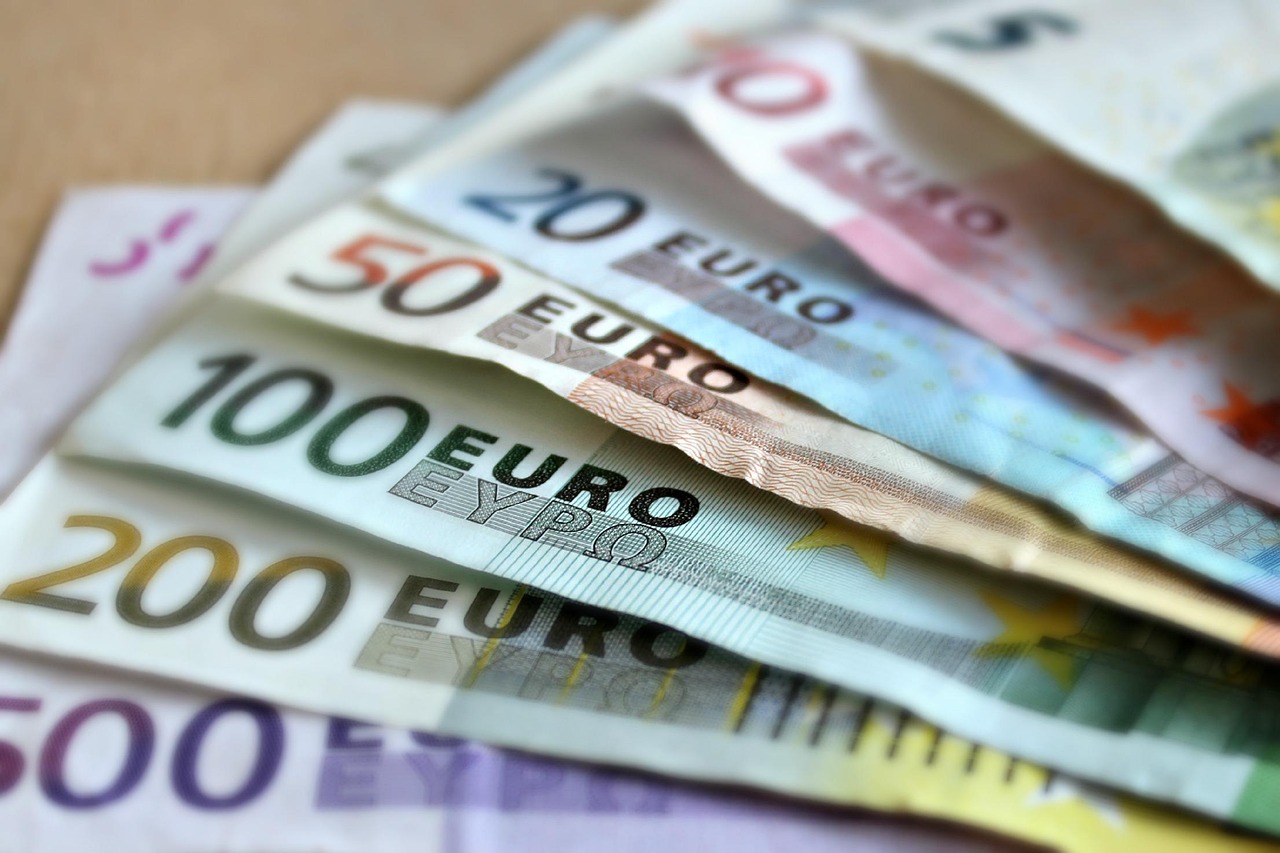
The euro rose 0.3% to $1.0491, hitting a session high of $1.05. EUROSTOXX 50 futures fluctuated before settling 0.07% higher, while DAX futures climbed 0.24%. Bund futures remained steady.
Markets are watching whether Germany’s new government will reform its restrictive "debt brake," which limits budget deficits to 0.35% of GDP. The country’s economy has contracted for two consecutive years, with critics blaming underinvestment. A more flexible fiscal policy could support the euro, boost European stocks, and enhance economic growth.
While coalition talks may take time, analysts highlight market-friendly options such as a Grand Coalition or a CDU-SPD-Green alliance. The AfD’s performance, though strong, was in line with expectations, reducing uncertainty. The Free Democrats, another party opposing debt brake reform, hover around the 5% threshold needed for parliamentary entry, adding to the unpredictability.
Investors anticipate increased government spending, particularly on defense, as European nations prioritize security. The yield gap between German short- and long-term bonds remains near its highest level since 2022, reflecting fiscal uncertainty.
With Germany’s STOXX 600 index recently hitting record highs but still trading at a discount to U.S. stocks, a reform-driven coalition could lift sentiment. If domestic policy shifts, Germany’s midcap index may outperform the export-heavy DAX.
Uncertainty remains on whether major parties can secure enough votes to amend the debt brake. As coalition negotiations unfold, markets will assess the potential for policy changes that could shape Europe’s economic trajectory.