European stock markets showed volatility on Tuesday as escalating tensions between the United States and Iran raised concerns about global oil supply disruptions and economic stability. The pan-European Stoxx 600 index edged up by 0.2% in early trading, while Germany’s DAX and France’s CAC 40 both gained modestly, recovering from initial losses. In contrast, the UK’s FTSE 100 lagged behind, falling nearly 1%, reflecting investor caution amid geopolitical uncertainty.
The renewed conflict between the U.S. and Iran has intensified fears across financial markets. Both nations launched fresh attacks on Monday after Iran responded to U.S. efforts to reopen shipping routes through the Strait of Hormuz. This strategic waterway is crucial, carrying approximately 20% of the world’s oil supply. Reports of explosions and fires on merchant vessels in the Gulf region have heightened concerns over supply chain disruptions and rising energy prices.
The situation has expanded beyond the immediate conflict zone. In the United Arab Emirates, air defense systems intercepted missiles and drones allegedly launched from Iran, while an oil terminal in Fujairah was also targeted. These developments signal a broader regional escalation that could further destabilize global markets.
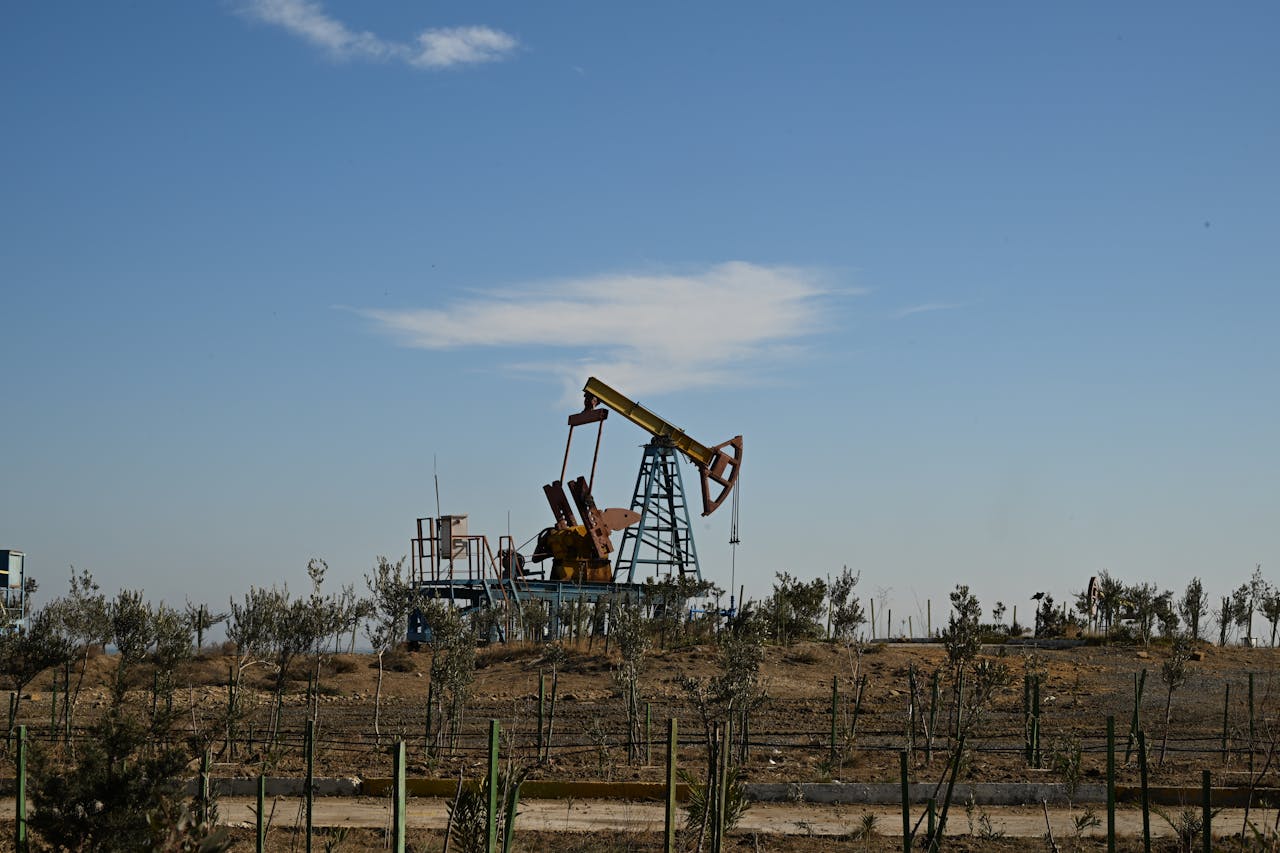
Oil prices remain a central focus for investors. Although Brent crude futures dipped slightly by 0.8% to $113.56 per barrel, prices are still significantly higher than pre-conflict levels. Elevated oil prices are fueling fears of inflation, which could slow global economic growth and impact central bank policies.
Market reactions were also influenced by corporate earnings. HSBC shares dropped over 5% after the bank reported weaker-than-expected quarterly profits, partly due to a $400 million fraud-related charge. Meanwhile, Anheuser-Busch InBev saw its stock rise after delivering better-than-expected earnings results.
With geopolitical risks rising and energy markets under pressure, investors remain cautious as they monitor developments in the Middle East and their potential impact on global financial markets.