Europe's electric car sales are starting to experience a slowdown after years of rapid growth. Drivers are opting to wait for better and more affordable models that are expected to hit the market in the next two to three years.
According to Reuters, despite a 47% increase in fully-electric sales in Europe during the first nine months of 2023, automakers such as Tesla, Volkswagen, and Mercedes-Benz are expressing concerns about the subdued market and high-interest rates. Volkswagen reported a decline in its EV order intake, while Tesla and Mercedes-Benz also highlighted the prevailing difficulties, according to Voice of Nigeria.
Consumer Uncertainty and Market Challenges
Experts believe that economic uncertainty is not the sole factor behind the slower uptake of electric vehicles. Dealers and global data analysis firms point out that consumers remain unconvinced about the safety, range, and price of electric cars. Additionally, new electric models in Britain are still significantly more expensive compared to their fossil-fuel counterparts.
Industry insiders warn that the low availability of affordable electric vehicles threatens to impede sales growth. Furthermore, the delayed entry of entry-level electric models into the market until 2025 coincides with an expanded lineup of Chinese electric vehicles in Europe. This creates an additional challenge for automakers aiming to capture the entry-level market segment.
The slowdown in sales became evident in September. Consumer sentiment surveys and feedback from carmakers and dealers further confirmed the era of low growth. Even U.S. automakers, trailing in the transition to electric vehicles, are feeling the impact. Ford and GM have announced delays in launching cheaper electric models due to weakening demand and increased costs.
Analysts suggest that the recent growth in sales may be attributed to carmakers resolving supply chain bottlenecks, allowing them to fulfill backed-up orders. However, it does not necessarily indicate a surge in demand. The slowdown in sales in Europe during September reflects the cyclicality of the market. Demand will likely remain sluggish until more affordable electric models become available.
Market Outlook and Residual Values
The unattractive residual values of electric vehicles also deter potential buyers. Many companies and consumers consider the resale value of vehicles when making purchasing decisions. Therefore, low residual values negatively impact the adoption of electric cars.
Ben DuCharme, insights manager at The Langston Co, says that the recent increase in sales could be an indication of manufacturers finally being able to meet existing orders, rather than a surge in consumer demand. growing sales should be viewed in this context.
The coming years will prove critical for the electric car market in Europe. Decreasing prices, extending the range, and addressing safety concerns will be vital to winning over consumers.
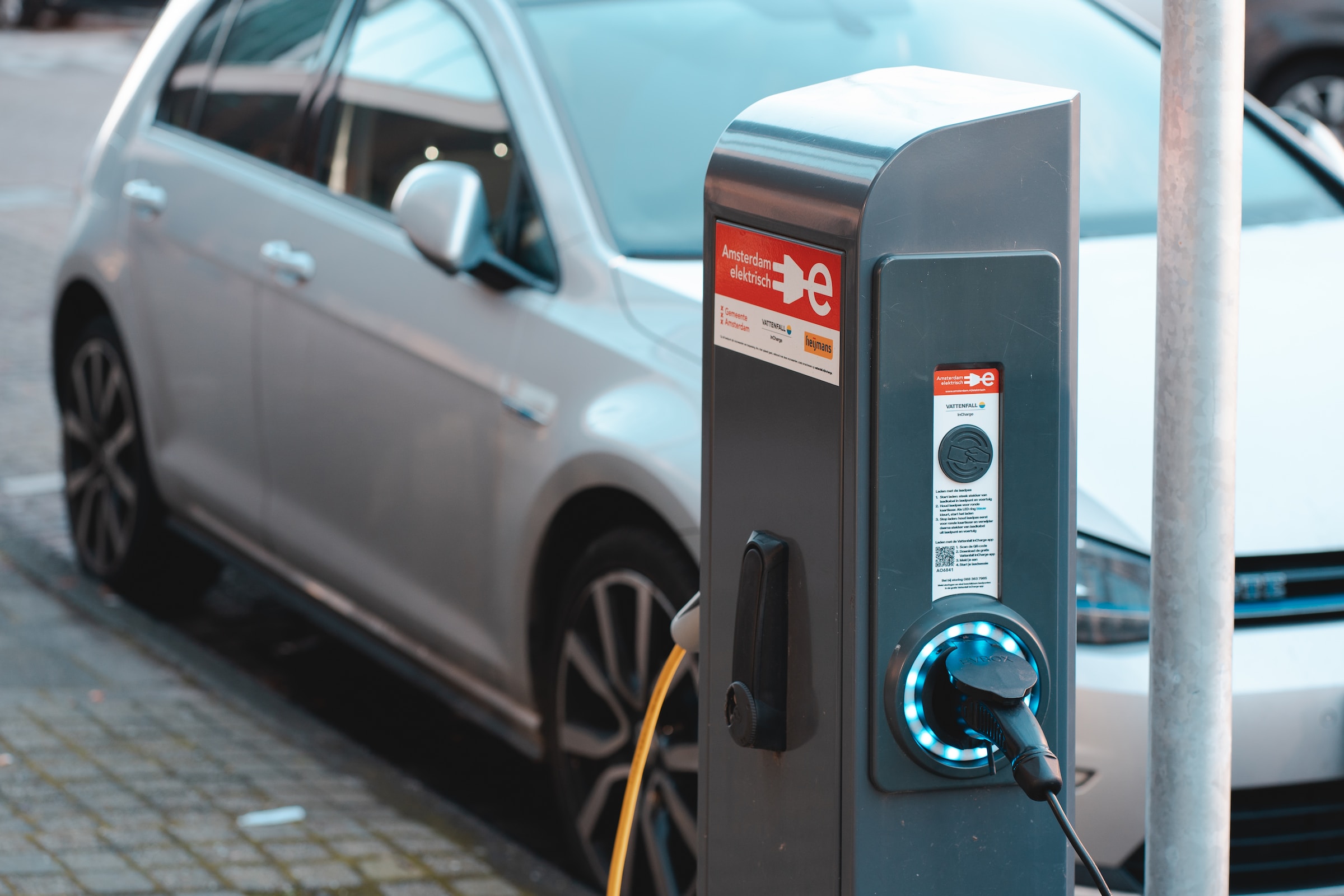
Photo; Ernest Ojeh/Unsplash