


 TSMC Q3 Revenue Beats Estimates as AI Chip Demand Surges
  Broadcom, Oracle and SpaceX Seek Billions in Private Debt for AI Expansion
  OpenAI Annualized Revenue Hits $50 Billion, Below Earlier Estimates
  Anthropic Launches Claude Dashboards and Motion AI Tools
  Elon Musk Accuses Indian Telecom Giants of Blocking Starlink Launch
  Tencent Shares Fall as $5 Billion AI Bond Sale Weighed
  US Suspends Microsoft, Adobe From Green Card Program
  OpenAI Revenue Hits $50 Billion, Below Earlier $70 Billion Estimate
  Samsung, SK Hynix Shares Fall as China's CXMT Advances DRAM Technology
  Robinhood Chain Eyes Priority Gas Auctions for Faster Trades
  Meta Launches Muse Wonder AI Models, Shares Rise 3.7%
  Jameson Lopp Downplays AI Threat to Bitcoin Cryptography
  Samsung Q3 Profit Hits Record High on AI Memory Demand
  Yandex Data Center Hit by Drone Strike as Russia-Ukraine Cyber Infrastructure Attacks Escalate
  Amazon Cuts More Jobs as AI Investment Expands


 Add as a preferred source on Google
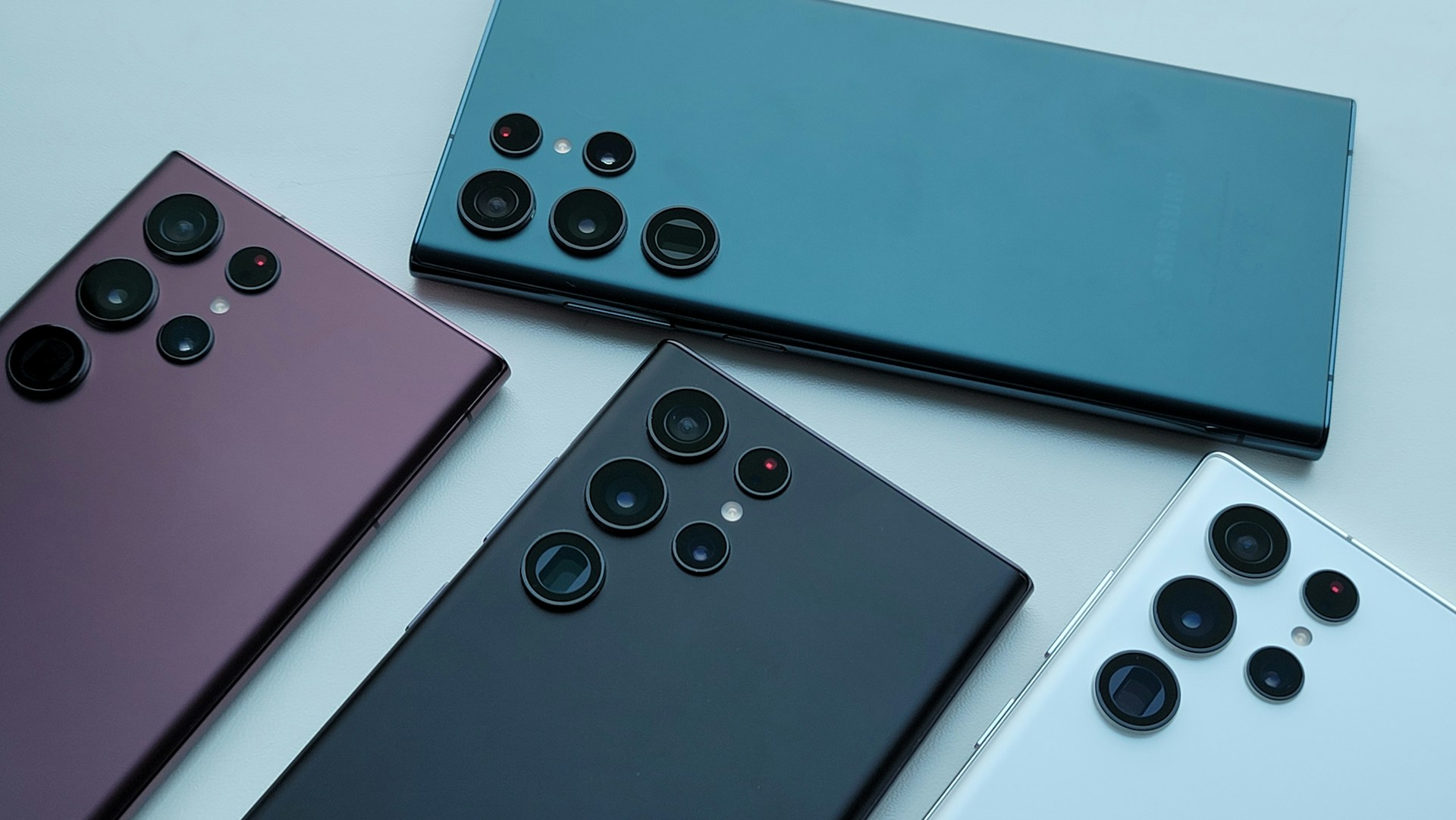
Samsung's upcoming Exynos 2500 chipset may integrate Google's TPU, promising groundbreaking AI acceleration for the Galaxy S25 series. This collaboration aims to enhance generative AI capabilities, positioning the devices as leaders in AI technology.
Samsung's Exynos 2500: A Leap Forward with Google's TPU Integration for Enhanced AI
Now that AI has become a standard in the tech world, it is safe to assume that an increasing number of businesses are implementing their own versions. Samsung did an excellent job with the Exynos 2400 and implemented several AI-related features with Galaxy AI, WCCFTech reported.
However, it is clear that the company is not finished, as a new tip indicates that the Exynos 2500 could use Google's TPU for AI acceleration. If that happens, we're in for a treat because the Galaxy S25 devices will feature several AI enhancements.
For those curious, the Tensor Processing Unit (TPU) first appeared in the Pixel 6 with the debut of the first-generation Tensor processor and has seen improvements over the last few years. The Tensor chipsets, developed in collaboration with Samsung, suggest that Samsung could efficiently integrate the same processing unit into the Exynos 2500.
Should Samsung decide to utilize Google's TPU in the Exynos 2500, the Galaxy S25 series would be equipped with pure machine-learning APIs, capable of running various models directly on the device. Notably, while the Galaxy AI is potent, it has been largely cloud-based up to this point. Including a dedicated TPU within the chipset would significantly enhance AI capabilities, a development many eagerly anticipate.
Exynos 2500: Pioneering AI with Dual NPUs in the Upcoming Samsung Galaxy S25 Series
Further, it's indicated that the Exynos 2500 will feature two neural processing units: G-NP and S-NPU, as per GSMArena. The chipset is expected to debut in the Galaxy S25 series, with Samsung employing a combination approach similar to what was seen with the Galaxy S24 series this year. Therefore, it might be wise to wait for those looking forward to a smartphone with enhanced AI capabilities.
The Exynos 2500 is currently undergoing tests, with Samsung emphasizing its commitment to ensuring the in-house chipset meets user expectations. There is a strong anticipation that the results will be promising, offering something substantial from the South Korean firm.
Photo: Evgeny Opanasenko/Unsplash







