


 Google Changes EU Spam Policy Amid Antitrust Scrutiny
  Salesforce Shares Surge as AI Demand Powers Q2 Earnings Beat
  Trump Administration Pauses Visa Appointments Worldwide
  Countries Tighten Social Media Bans for Children
  Honda, Nissan Eye Shared Vehicle Software Platform by 2029
  Trump Administration Moves to Strip ABA of Law School Accreditor Status
  SoftBank Plans Record $6.3 Billion Bond Sale to Fund OpenAI Investments
  Trump Orders Major Overhaul of US Navy Shipbuilding
  Meta Agrees to $18 Billion Settlement, Tightens Teen Social Media Rules
  U.S. Probes Apex Logistics Over Nvidia AI Chip Shipments to China
  Luxshare Shares Rise as First-Half Profit Jumps 18%
  Xiaomi Unveils Xring O3 Chip for Flagship Foldable Phone
  Guatemala Receives 2,300 Mexicans Deported From US
  Nvidia Revenue Soars 106% as AI Demand Hits ‘Inflection Point’
  Trian Drops Wendy’s Take-Private Bid Plans, Shares Plunge 14%
  New Zealand Moves to Ban Social Media for Children Under 16
  BofA Names ASML Top Semiconductor Equipment Pick on Growth, Valuation


 Add as a preferred source on Google
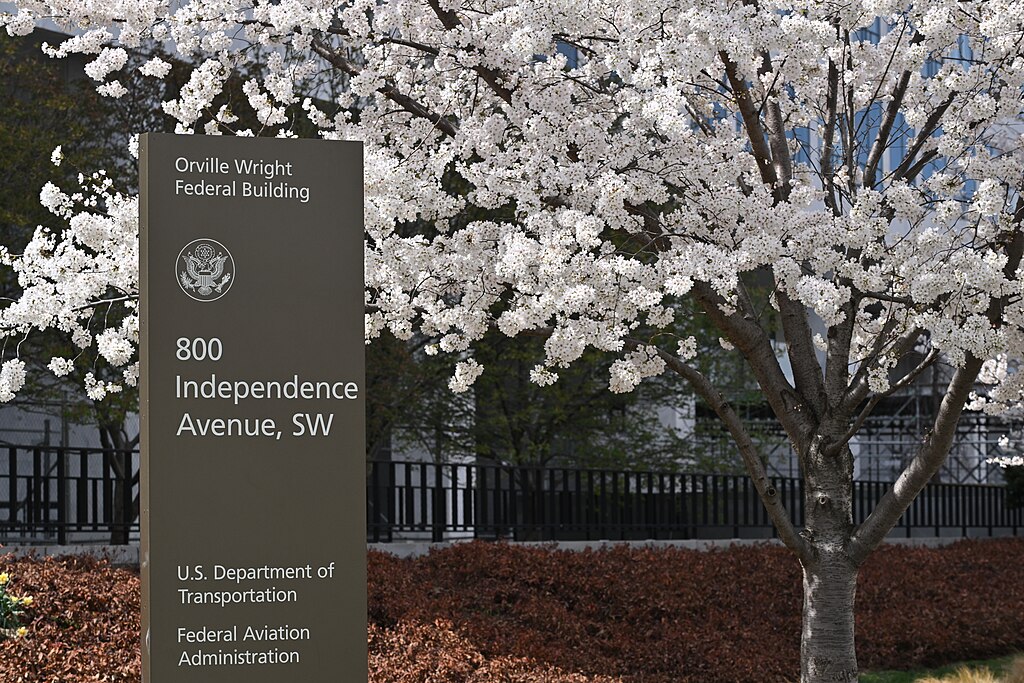
The Federal Aviation Administration (FAA) announced on Thursday that it has officially concluded its investigation into the SpaceX Starship Flight 8 mishap, attributing the incident to a hardware failure in one of the spacecraft’s engines. The issue occurred during a high-altitude test flight, prompting a comprehensive review by the agency to ensure future mission safety.
SpaceX identified eight corrective actions to address the root cause of the engine malfunction. These measures were designed to prevent a recurrence and enhance the reliability of future Starship launches. The FAA confirmed that SpaceX fully implemented all recommended actions before proceeding with the Starship Flight 9 mission, which took place in late May.
The Starship program is central to SpaceX’s long-term goal of enabling human missions to the Moon and Mars. As the most powerful rocket ever built, Starship continues to undergo rigorous testing and development, with regulatory oversight from the FAA to ensure adherence to safety and operational standards.
By closing the investigation and verifying the corrective actions, the FAA has cleared a significant regulatory hurdle for SpaceX’s ongoing launch schedule. This marks a positive development for the company’s ambitions in commercial spaceflight, deep space exploration, and NASA-supported missions under the Artemis program.
The outcome reinforces SpaceX’s commitment to continuous improvement and transparency in addressing technical setbacks. As Starship prepares for more test flights and eventual operational missions, regulatory cooperation remains key to advancing U.S. leadership in the global space industry.
With increased public and investor interest in space innovation, updates from the FAA and companies like SpaceX continue to drive attention to the progress and challenges of next-generation aerospace technology.







