


 Japan GDP Growth Beats Forecast, Boosting BOJ Rate Hike Bets
  South Korea, US Discuss Chip Investments Amid Tariff Plans
  Bolivia Military Barracks Explosion Kills Nine
  European Stocks Flat as Iran Tensions, ECB Rate Hike Loom
  SEC Seeks ISS Client Voting Records in Proxy Adviser Probe
  Japan Foreign Reserves Plunge $79.6 Billion After Record Yen Intervention
  Iran Threatens Gulf Energy Assets as U.S. Tensions Escalate
  Adobe Names Anil Chakravarthy CEO as AI Push Accelerates
  Longsys Raises $903 Million in Hong Kong IPO as Shares Debut Flat
  AfD Eyes Historic Win in Saxony-Anhalt Election
  Judge Blocks Trump Mail Voting Order Ahead of 2026 Midterms
  Iran Threatens US With ‘Economic Warfare’ as Gulf Tensions Rise
  Huawei Launches Mate XT2 Foldable Phone in China
  Merz Rejects AfD Alliance After Saxony-Anhalt Surge
  Trump Targets 1,000 U.S. Space Launches Annually by 2030
  Iran Allows Iraqi Oil Tankers Through Strait of Hormuz
  Google Revamps EU Search Results to Meet DMA Rules


 Add as a preferred source on Google
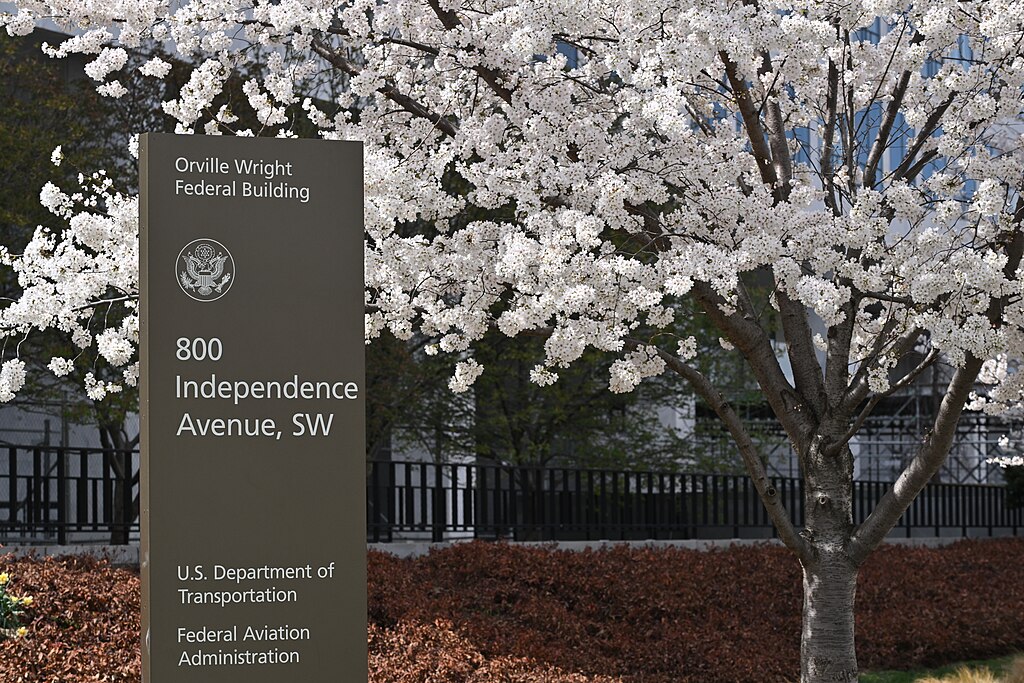
The Trump administration has reduced government-imposed flight cuts at 40 major U.S. airports to 6%, signaling improving air traffic conditions as the record-long government shutdown draws to a close. The Federal Aviation Administration (FAA) previously ordered steeper reductions—8% for Thursday and 10% for Friday—but decided to ease restrictions after a sharp decline in air traffic control absences.
According to the FAA, “The 6% hold will remain in place as the agency continues to evaluate system stability before restoring full operations.” Data from FlightAware showed that airlines canceled around 900 flights on Wednesday, the fewest in nearly a week. Air traffic controller absences, which had caused widespread disruptions earlier, now account for just 1% of delays, compared to 5% before the shutdown.
The FAA faces a staffing shortfall of about 3,500 controllers, many of whom have been working extended shifts and six-day weeks. Despite these challenges, airlines are optimistic. “If trends continue improving, we expect normal operations to resume soon,” said Transportation Secretary Sean Duffy. Southwest Airlines and Delta Air Lines both expressed confidence that flight operations would stabilize within days of the shutdown ending.
Flight disruptions have already taken a heavy toll, with tens of thousands of cancellations since the 43-day shutdown began on October 1. Over the past weekend alone, 1.2 million passengers were affected by delays and cancellations. Many air traffic controllers missed work due to financial strain, often taking second jobs or struggling with child care costs.
Duffy announced that controllers would receive 70% of their back pay within 48 hours once the government reopens. A Senate subcommittee is set to review the shutdown’s impact on aviation safety next Wednesday.







