


 South Korea’s Cho Hyun to Meet Rubio in Washington
  Ukraine Races to Counter Russia’s Faster Jet-Powered Drones
  Brazil Warns EU of Retaliation Over Animal Products Ban
  ICE Agent Arrested in Minneapolis Over Venezuelan Man Shooting
  Trump Hopes Iran War Nears End as Yemen Fighting Escalates
  France Urges Faster AI Push Despite Safety Risks
  France Targets Shein, Temu With Fast-Fashion Fees
  Australia Plans New Rules Giving Users Control Over Social Media Feeds
  FDA Names Permanent Drug and Biologics Center Chiefs
  Trump Administration Pauses Visa Appointments Worldwide
  US Bans Canadian Alcohol, Motorcycles as Trade War Escalates
  US Allies Fear Trump Could Soften Taiwan Stance in Xi Talks
  U.S. Imposes New Visa Restrictions Over South Africa Policies
  US Confirms Weapons in Orbit as Space Tensions Rise
  Europe can’t achieve space sovereignty alone. Here’s why
  Saudi Arabia Shuts East-West Oil Pipeline After Drone Attack


 Add as a preferred source on Google
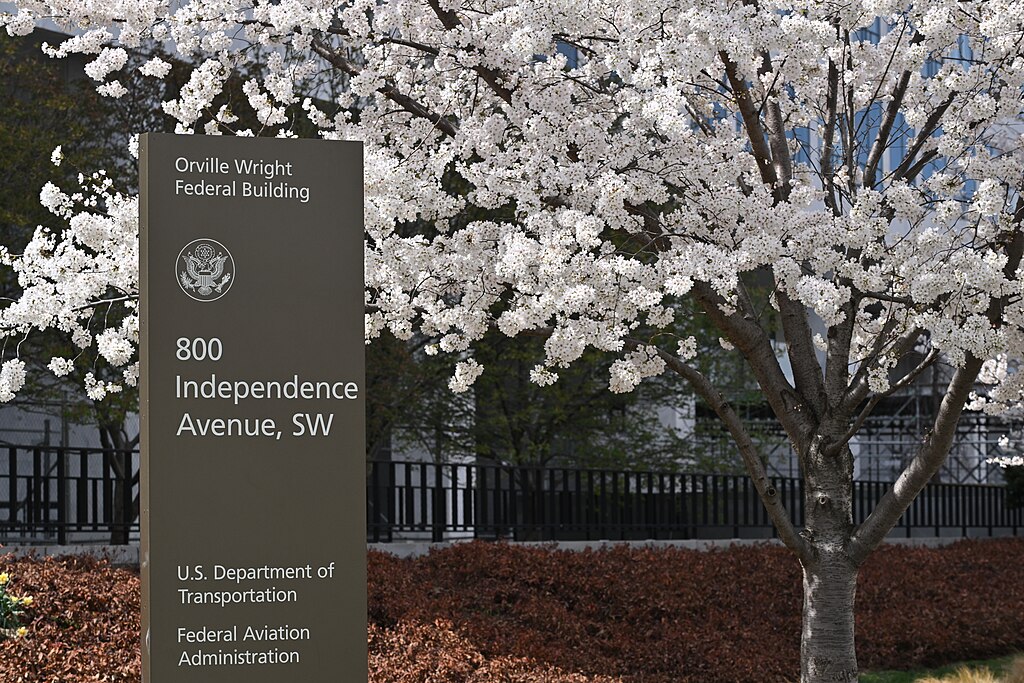
The U.S. Federal Aviation Administration (FAA) has issued a series of aviation safety warnings urging airlines to exercise heightened caution when flying over Central America, parts of South America, and nearby oceanic airspace. The advisories, which took effect on Friday and will remain in place for 60 days, cite increased risks related to potential military activity and GPS interference in the region.
According to the FAA, Notices to Airmen (NOTAMs) have been released covering Mexico, several Central American countries, as well as Ecuador, Colombia, and portions of the eastern Pacific Ocean. These flight warnings come at a time of escalating geopolitical tensions involving the United States and multiple regional governments.
The warnings follow a major U.S. military buildup in the southern Caribbean and a controversial military operation against Venezuela, during which U.S. forces reportedly seized Venezuelan President Nicolas Maduro. President Donald Trump has since suggested that further military actions could occur in the region, including possible operations involving Colombia. Trump has also claimed that drug cartels effectively control Mexico and has floated the idea of U.S. strikes on land targets to counter cartel activity.
In the aftermath of the Venezuela operation, the FAA temporarily restricted flights across large parts of the Caribbean, leading to hundreds of flight cancellations by major airlines. FAA Administrator Bryan Bedford told Reuters that the agency had coordinated closely with the U.S. military ahead of the Venezuela action to mitigate risks to civilian aviation.
Safety concerns have already materialized. Last month, JetBlue Flight 1112, an Airbus aircraft en route from Curacao to New York, was forced to take evasive action to avoid a mid-air collision with a U.S. Air Force tanker jet near Venezuelan airspace. The military aircraft reportedly did not have its transponder activated, raising alarms about airspace safety in the region.
The FAA warnings underscore growing concerns for airline operations over Central America and South America, highlighting the intersection of aviation safety, military activity, and regional instability.







