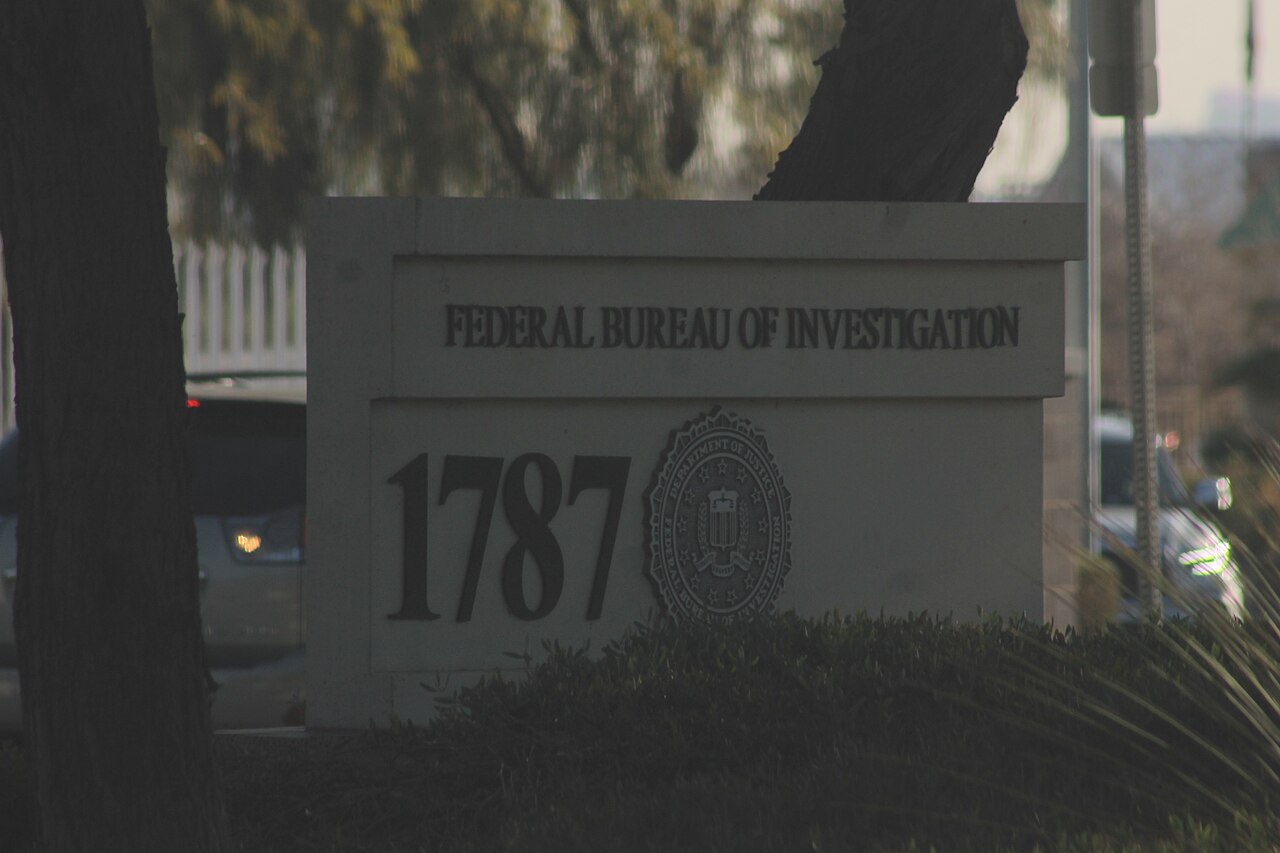
Federal authorities have officially classified the March 12 attack on Michigan's largest Jewish temple as an act of terrorism motivated by pro-Hezbollah ideology. The FBI's Detroit field office confirmed the designation on Monday, shedding light on one of the most alarming antisemitic incidents in recent U.S. history.
Ayman Ghazali, a 41-year-old Lebanese-born U.S. citizen, carried out the assault on the Temple of Israel synagogue — a facility where children were present for preschool at the time. Ghazali rammed his truck into the building, fired on security personnel, and detonated fireworks in what authorities describe as a deliberate terrorist act. He died by suicide during the attack, and no other fatalities were reported.
FBI Special Agent in Charge Jennifer Runyan stated that Ghazali had been consuming pro-Hezbollah content prior to carrying out the assault. While investigators could not confirm formal membership in the Lebanon-based militant group, U.S. Attorney Jerome Borgen said he was confident a conviction for materially supporting Hezbollah could have been secured had Ghazali survived. Authorities found no evidence of co-conspirators.
The day before the attack, Ghazali began posting images of Iranian Supreme Leader Ayatollah Ali Khamenei on social media. On the morning of the assault, he messaged his sister from the synagogue parking lot, stating his intention to carry out a mass terrorist attack.
Hezbollah, founded in 1982 by Iran's Islamic Revolutionary Guard Corps, is designated a foreign terrorist organization by the United States. Both the group and the IRGC remain under that classification.
This incident underscores a deeply troubling national trend. FBI data shows that anti-Jewish hate crimes have accounted for nearly two-thirds of more than 5,300 religiously motivated incidents recorded since February 2024, highlighting an urgent need for continued vigilance against antisemitic violence across the country.