


 Brazil Warns EU of Retaliation Over Animal Products Ban
  Alcohol is one of the most dangerous drugs, yet its presence is ubiquitous in social settings and celebrations
  U.S. Issues Cuba Health Alert as Illnesses Rise
  Trump Orders Major Overhaul of US Navy Shipbuilding
  SEC Probes Banks Over Situational Awareness Hedge Fund Collapse
  Costa Rica President Backs Potential US Ground Operations
  Trump Administration Moves to Strip ABA of Law School Accreditor Status
  Sara Duterte Posts Bail Over Grave Threats Case
  RFK Jr. Orders Extended Hantavirus Quarantine for Cruise Passenger
  Pacific Leaders Raise Alarm Over China Missile Test as Nauru Dissents
  AstraZeneca Halts Phase III Volrustomig Lung Cancer Trial After Efficacy Setback
  US Investigates Deadly Strike on Iranian Wedding
  US Tightens Cuba Sanctions, Targets Officials and State Entities
  FCC Steps Up China Tech Crackdown as Beijing Pushes Back
  Trump Orders Reduction in U.S.-South Korea Military Drills, Citing Kim Jong Un Ties
  Iran Vows Tougher Response as US Sanctions Squeeze Economy
  South Korea, US Discuss Chip Investments Amid Tariff Plans


 Add as a preferred source on Google
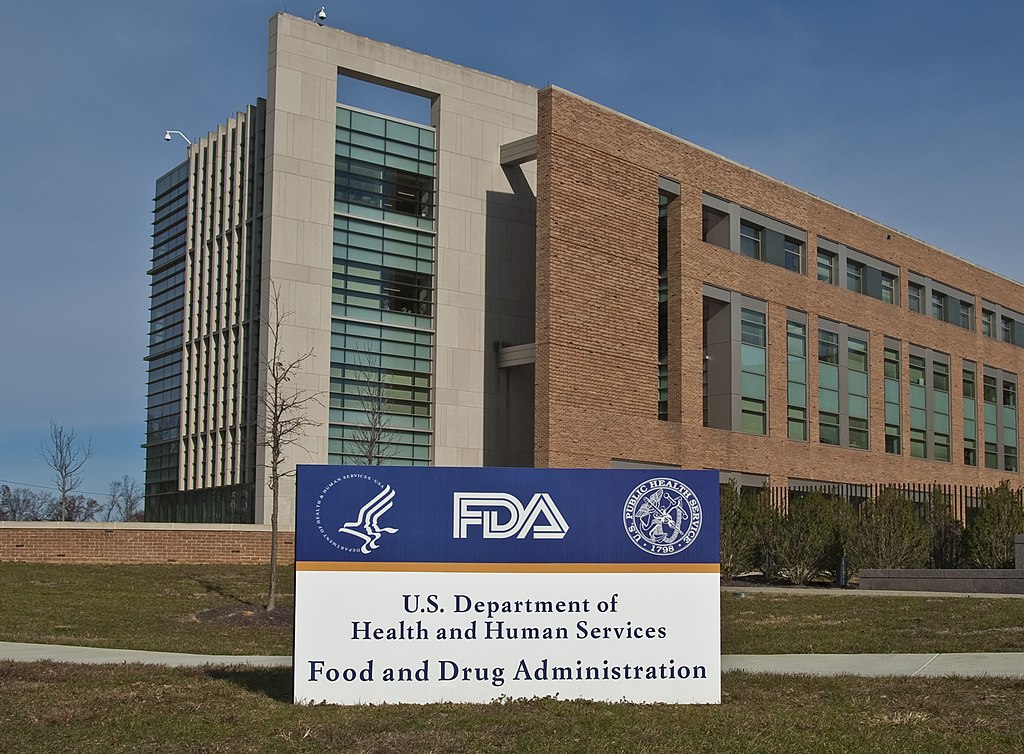
A newly surfaced internal memo from the U.S. Food and Drug Administration (FDA) has sparked debate after chief medical and scientific officer Vinay Prasad stated that COVID-19 vaccinations may have contributed to at least 10 cases of fatal heart inflammation in children. According to the memo, seen by Reuters, Prasad said the staff’s preliminary review suggested “likely, probable, or possible” vaccine attribution in these deaths. He described the findings as significant, noting it would mark the first time the FDA acknowledged potential fatal vaccine-related cases in American children.
The analysis reviewed 96 child deaths reported between 2021 and 2024. While it did not identify the children’s underlying medical conditions or the vaccine manufacturers involved, Prasad said that the early assessment found no fewer than 10 cases potentially linked to COVID-19 vaccination. He added that examining deaths involving children aged 7 to 16 was especially difficult.
Health Secretary Robert F. Kennedy Jr. has recently shifted U.S. vaccine policy, restricting access to COVID-19 vaccines to individuals 65 and older and those with certain conditions. Kennedy, long known for his skepticism toward vaccines, has criticized past vaccine policies promoted under both the Trump and Biden administrations.
Experts have urged caution in interpreting the memo. The FDA’s assessment has not been peer-reviewed or published in a medical journal, and critics—including UC Law San Francisco professor Dorit Reiss—argue that policy changes should not stem from unpublished investigations. Reiss also noted Prasad is not a vaccine specialist.
Despite concerns raised in the memo, FDA Commissioner Marty Makary emphasized that COVID-19 vaccines were highly effective for older adults, especially when matched to circulating variants. Recent research also supports the benefits of updated vaccines in reducing severe illness and hospitalization among high-risk groups.
CDC data shows 1,071 U.S. children aged 5 to 18 died from COVID-19 between early 2020 and mid-2023. Prasad argued that it remains unclear how vaccination influenced those outcomes, stating that voluntary reporting and unknown prevention metrics complicate comparisons.
The memo is expected to fuel continued discussion ahead of an upcoming CDC vaccine committee meeting.







