Packaged food manufacturers and fast-food restaurants are preparing for major shifts in consumer demand as appetite-suppressing GLP-1 weight loss pills are expected to enter the U.S. market in early 2025. Analysts believe these oral medications could accelerate long-term changes in eating habits, forcing food companies to reformulate products, adjust portion sizes, and emphasize nutrition-focused offerings.
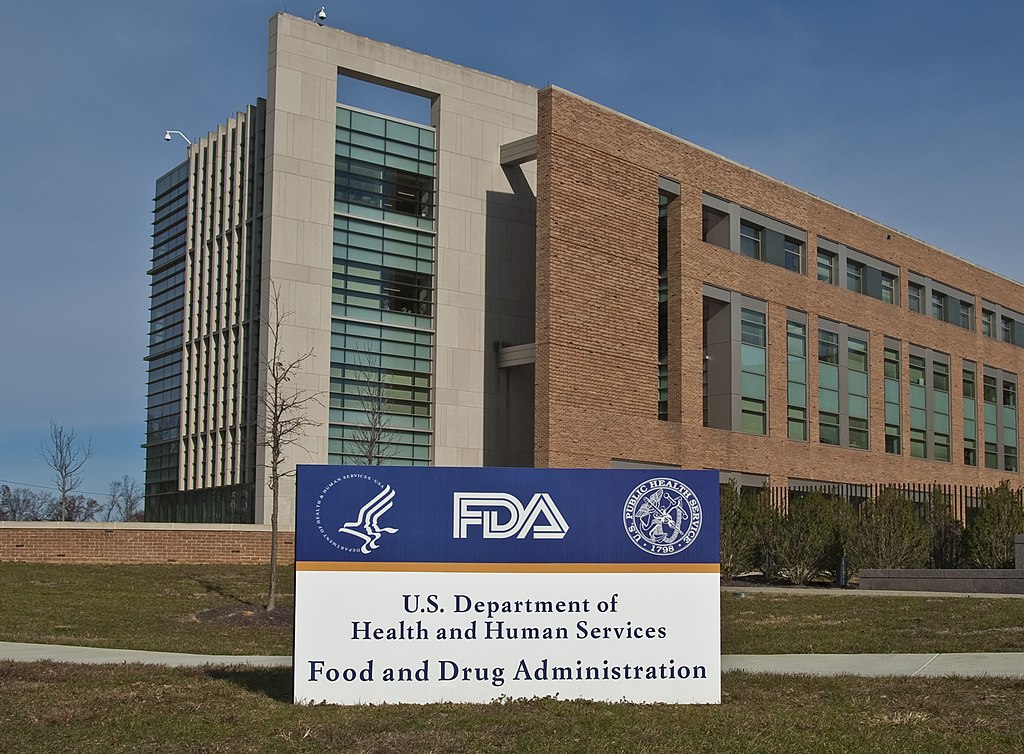
The U.S. Food and Drug Administration recently approved Novo Nordisk’s Wegovy GLP-1 pill, a milestone that sent shares of several food companies lower. Unlike injectable GLP-1 drugs, the pill form is expected to be cheaper and more appealing to patients who are uncomfortable with injections. Eli Lilly’s competing GLP-1 pill is also anticipated to receive regulatory approval next year, further expanding access to weight loss medications.
As adoption grows, analysts say Americans are likely to reduce consumption of calorie-dense foods such as salty snacks, baked goods, soda, alcohol, and sugary drinks. Instead, demand is shifting toward high-protein, high-fiber, and functional foods that support satiety and portion control. This trend has already been visible with injectable GLP-1 drugs and is expected to intensify with easier-to-use pills.
Research supports this shift. A recent Cornell University study found that households using GLP-1 medications reduced grocery spending by over 5% and fast-food spending by about 8%. While spending rebounded after discontinuing the drugs, experts believe lower-cost pills could encourage longer-term use, broadening the impact across the food industry.
Major companies are responding quickly. Conagra Brands has begun labeling certain Healthy Choice meals as “GLP-1 friendly,” citing faster sales than competing products. Danone reports double-digit growth in high-protein yogurt, while Nestlé has launched new frozen meals tailored to GLP-1 users. Restaurants are also adapting, with chains like Chipotle introducing high-protein menu options and others offering smaller, lower-priced portions.
With nearly 40% of U.S. adults classified as obese and growing interest in weight loss solutions, GLP-1 pills are poised to reshape how Americans eat—and how food companies innovate—for years to come.