


 Houthis Seize Bab el-Mandeb as Military Power Grows
  Iran Economic Crisis Forces Afghan Families to Return Home
  Synthetic data could ease people’s concerns about privacy breaches. But who gets to create it?
  Najib Razak Granted House Arrest Until 2028
  Trump Eyes End to Iran War, Plans Gulf Leaders Meeting
  Guterres Urges Stronger Global AI Safeguards Ahead of UN Assembly
  Australia Tightens Student Visa Rules, Targets Migration Cut by 2028
  US Resumes Immigrant Visa Processing for Hungary, Poland
  France Targets Shein, Temu With Fast-Fashion Fees
  U.S. Imposes New Visa Restrictions Over South Africa Policies
  Vietnam, U.S. Firms Plan 29 Deals Across Energy, Tech and Aviation
  Venezuela Nears Deal to Move $4 Billion in Gold to New York Fed
  US Confirms Weapons in Orbit as Space Tensions Rise
  ICE Agent Arrested in Minneapolis Over Venezuelan Man Shooting
  Bessent Presses Japan on Fiscal Policy as Yen Struggles
  FCC Approves Foreign Investment in $110B Paramount-Warner Bros. Deal
  South Korea’s Cho Hyun to Meet Rubio in Washington


 Add as a preferred source on Google
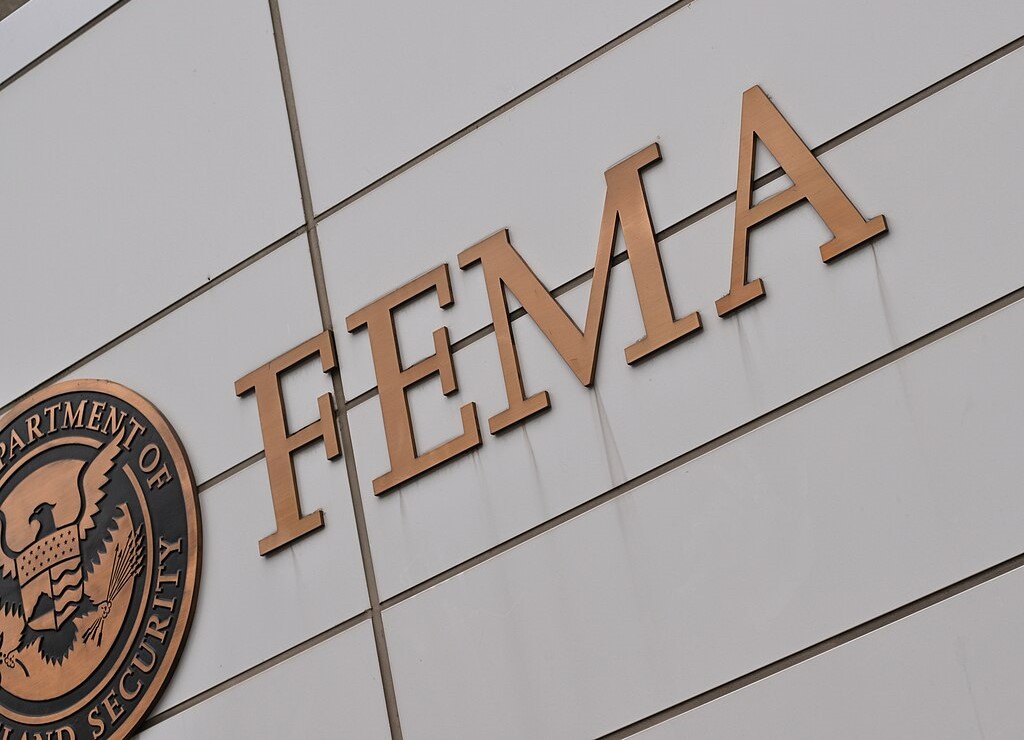
The U.S. Federal Emergency Management Agency (FEMA) has suspended the distribution of emergency management performance grants, which fund disaster preparedness programs across states, until states provide revised population counts that exclude immigrants deported since President Donald Trump took office. FEMA’s website shows the program was allocated $319.5 million for fiscal year 2025.
According to FEMA, the grants are awarded solely based on population data. A spokesperson explained that recent deportations and demographic shifts created a need for updated numbers to ensure fair distribution of federal funds. States began receiving notices this week requiring them to submit a certified population report by September 30, detailing their methodology and confirming that individuals removed under U.S. immigration laws are excluded from the tally.
The move aligns with the Trump administration’s broader immigration enforcement agenda. Trump has stated that Department of Homeland Security (DHS) funding will not be provided to local governments unless they agree to support federal immigration enforcement, eliminate diversity programs, and stop offering benefits to undocumented immigrants. In August, Trump also ordered the Commerce Department to begin work on a new census that excludes individuals in the country illegally, revisiting an earlier attempt blocked by the courts during his first term.
Human rights groups have criticized Trump’s hard-line deportation drive, while the administration insists that funding allocation should reflect only lawful residents. On Tuesday, however, a federal judge in Rhode Island temporarily blocked the administration from withholding $233 million in grant funds from Democratic-led states.
Trump, who has previously threatened to gut or abolish FEMA, has argued that states should carry primary responsibility for disaster response. Despite ongoing legal challenges, FEMA maintains that the requirement for updated population data applies to all states and is unrelated to recent court rulings.







