The Safety Check feature at Facebook is meant to allow users to tell their friends that they are safe in the event of an emergency situation in their location. However, it would seem that the social media site’s algorithm made a mistake recently by alerting users about a supposed explosion in Bangkok, Thailand. There wasn’t.
Users in the Asian metropolis were given the option to mark themselves as safe on Tuesday in the wake of a reported explosion in the city, The Verge reports. However, there were no details with regards to when the explosion happened or where it happened. A short while after that, the notification was taken down by Facebook, likely after realizing that there was no such explosion.
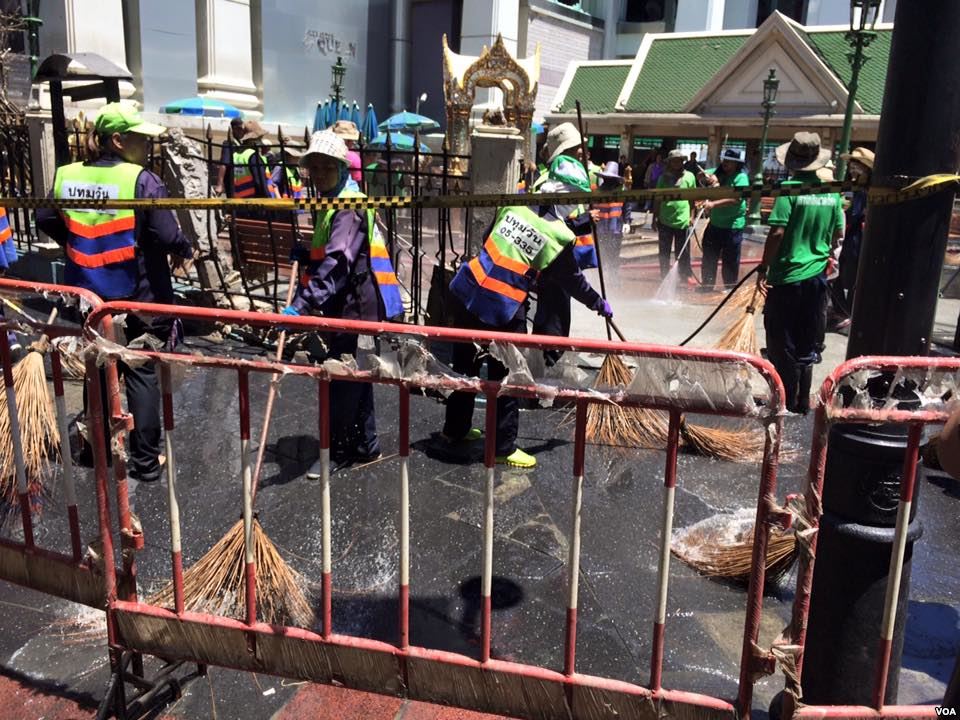
The Safety Check came online around 9:00 PM in Bangkok and appeared to have been linked to the bombing incident at the Erawan Shrine. The only problem is that this particular event occurred in 2015, which was widely covered. When asked about the matter, Facebook responded by basically saying that it wasn’t completely their fault.
“Safety Check was activated today in Thailand following an explosion,” Facebook told The Verge in a statement. “As with all Safety Check activations, Facebook relies on a trusted third party to first confirm the incident and then for the community to use the tool and share with friends and family.”
The third-party in question is BangkokInformer.com, The Guardian reports, which reposted an old article about the 2015 explosion. It would seem that the website is part of a network that regularly posts outdated or outright false articles, which would basically make them producers of fake news.
As Mark Zuckerberg has pledged to stamp out such fraudulent content, it’s a remarkable turn of events for Facebook to fall victim to that which it wants to stop. Perhaps this is the wake-up call that the social media company needed in order to implement concrete steps in eliminating fake news altogether.