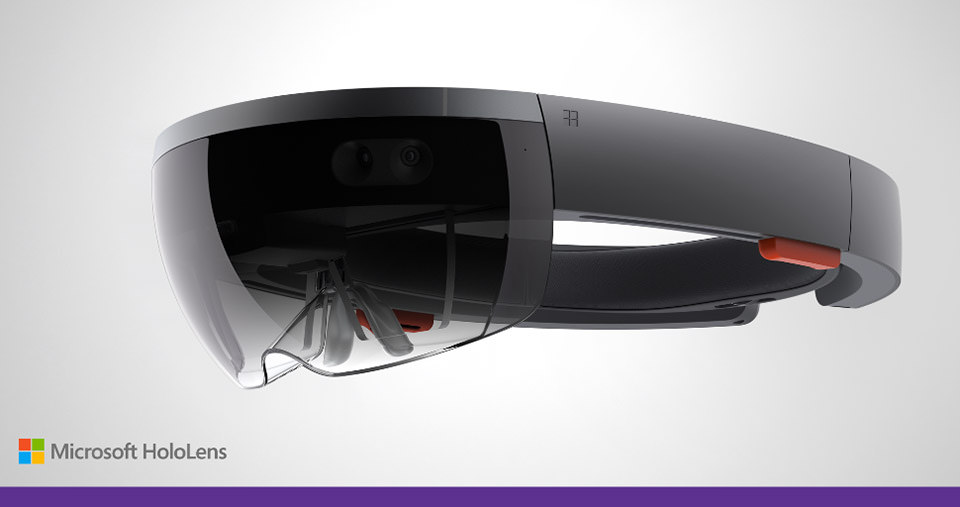
There’s no denying that virtual reality, augmented reality, and mixed reality are making a huge impact on several industries. A good example of this is Ford’s use of the Microsoft HoloLens to design cars with, which is significantly less expensive and cumbersome than having to do it in real-life. If this trend catches on, there could be more car companies doing the same thing.
Using mixed reality to create or design physical objects makes a lot of sense from a logistics and engineering standpoint because it requires less time, energy, and money to accomplish. By allowing designers to reconfigure parts and swap things like grilles in a virtual environment, the intended outcome is easier to appreciate, TechCrunch reports.
Designing cars via a computer interface, clay models, cardboard cutouts, and sketches used to be how engineers could make their presentations. Unfortunately, these options never really provided the decision-makers and even the designers themselves with a good appreciation of what the life-sized, physical product would be.
Using the Microsoft HoloLens, however, designers can just swap out pieces however they like and they can see the vehicle in its actual-sized form from practically every angle. CNET writer Jon Wong recently got to try the technology for himself in Ford’s Dearborn Product Development Center, where he got to take the $5,000 headset for a spin.
The experience is basically akin to what movies like Iron Man show with regards to holograms, only with less sophistication. While wearing the headset, designers are able to see a full-sized vehicle in front of them along with an array of holographic overlays. As a result, proportions are better managed, design flaws are easier to detect, and parts that don’t meet Ford’s standards are flagged and removed.
Of course, Ford is far from being the first to use mixed reality to design cars with as Volvo has done the same thing. Ford is simply the first to have an interface with so much sophistication loaded into the simulation.