Israeli and Palestinian civil society groups have renewed calls for international support for a two-state solution, urging world leaders not to let the ongoing Middle East conflict overshadow efforts toward lasting peace. The appeal was presented in France during a high-level meeting that gathered foreign ministers, senior officials, and hundreds of civil society representatives from both communities.
The event marked one year since the adoption of the U.N.-backed New York Declaration, a framework designed to advance Palestinian statehood. The initiative has contributed to growing international recognition of a Palestinian state, with countries such as France, Britain, Canada, and others taking steps in that direction.
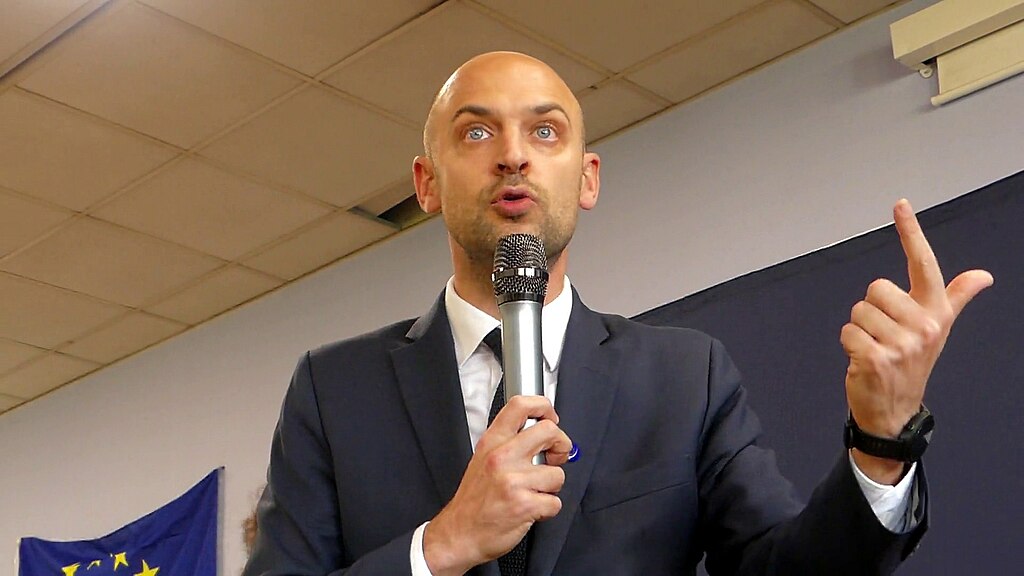
Addressing approximately 250 participants, French Foreign Minister Jean-Noel Barrot emphasized France’s commitment to peace and diplomacy. He praised the presence of Israeli and Palestinian representatives despite ongoing violence and political tensions, stating that their engagement offered hope for a peaceful future.
The conference concluded with an eight-point “Call for Action,” which advocates for a permanent ceasefire in Gaza, an end to settlement expansion, reconstruction efforts in Gaza, governance reforms, and stronger international backing for peace-building organizations. The document will be presented to G7 leaders during their upcoming summit in the French Alps.
Participants warned that conditions on the ground continue to deteriorate. Gaza remains heavily damaged by conflict, while security concerns persist in Israel. The statement also highlighted increasing settler violence, settlement expansion, and growing pressure on the Palestinian Authority, arguing that these developments threaten the viability of a future Palestinian state.
The gathering comes amid rising criticism from Western governments toward Israeli Prime Minister Benjamin Netanyahu’s administration over settlement policies in the occupied West Bank. International diplomats have expressed concern that continued settlement growth undermines prospects for a negotiated peace agreement.
Particular attention has focused on Israel’s proposed E1 settlement project east of Jerusalem. Critics argue that the development would divide the West Bank and separate it from East Jerusalem, complicating Palestinian aspirations for an independent state.
European Union foreign policy chief Kaja Kallas reiterated that a two-state solution remains the only realistic path toward long-term peace and stability in the region. She also voiced concern over the rapid expansion of settlements and increasing incidents of settler violence.
Earlier this week, Britain, Canada, France, and Norway announced coordinated sanctions targeting individuals and networks accused of financing or facilitating violence in the Israeli-occupied West Bank.
Neither Israel nor the United States attended the Paris meeting. Israeli officials dismissed the event, arguing that it would not contribute to peace efforts. The Israeli embassy in France also maintained that previous proposals for Palestinian statehood had been rejected multiple times by Palestinian leaders.
Despite deep divisions and escalating tensions, participants at the conference stressed that the opportunity for a negotiated two-state solution still exists, though they warned that the window for achieving it is rapidly narrowing.