By Mr. Giuseppe Saba; CEO, International Humanitarian City, Dubai
The past year has brought myriad humanitarian challenges, including climate change-driven natural disasters like the devastating floods in Pakistan and more recently the brutal Kahramanmaras earthquake that hit the conflict zone of northern Syria and Turkey.
Both calamities represent familiar challenges for humanitarian responders like the International Humanitarian City in Dubai. It also highlighted more recent frailties in the global economy.
Operating in jurisdictions fraught with political tensions, poor infrastructure, and already low livings standards is nothing new, unfortunately.
Yet doing so in a world beset by the economic headwinds of recession and inflated energy prices both intensifies the suffering of the vulnerable and the challenge at hand for the humanitarian community.

Aid cargo at the IHC warehouse destined for Syria, credit: IHC
This reality was at the heart of the Dubai International Humanitarian Aid & Development (DIHAD) 2023 Event held last week.
Like the IHC, DIHAD is supported under the patronage of H.H. Sheikh Mohammed Bin Rashid Al Maktoum, Vice-President and Prime Minister of the United Arab Emirates and Ruler of Dubai. This year’s event focused on the intersection of aid and energy, asking attendees and speakers how we can best capitalise on (increasingly limited) resources.
Indeed, this was the subject of my own keynote speech – the core theme of which I would like to share with you here.
At DIHAD, myself and members of my team at the International Humanitarian City honed in on cross-sector partnerships as the best route to maintaining world class humanitarian response services in such a challenging macro environment.
The IHC already brings together more than seventy prominent organisations and companies active in the humanitarian emergency response and development sector, including United Nations (UN) agencies such as the World Health Organization (WHO), the High Commissioner for Refugees (UNHCR), and the World Food Programme (WFP).
Moreover, we could not be prouder of being at the centre of Dubai’s humanitarian programme in advance of this year’s all-important COP28 Summit.
Our network, however, can never be complete. For my own part, I want to see far greater involvement from the private sector, young entrepreneurs, and academia in humanitarian action; the IHC is intent on working with and leveraging the capabilities of all three groups.
This would serve to reinforce the current aid ecosystem with high value-add technologies, subject-specific expertise, and commercial nous that goes far beyond our present remit.
Regarding the private sector specifically, a number of commercial companies already operate in the IHC, including Alpinter, Aramex, DHL Middle East, and Kuehne + Nagel – they do great work, but we want to go further, and faster.
Since our inception in 2003, the IHC has worked hard to build itself into a compelling partner for private sector firms and entrepreneurs, NGOs, academic institutions, and government agencies alike. Our historical achievements never distract us from our roles and responsibilities, but the team looks forward to celebrating both them and the IHC’s future agenda this year, our 20th anniversary.
In twenty years, the City has grown from 30,000m2 to more than 140,000m2 and is ideally located at the crossroads between the Middle East, Africa, Europe, and East and South Asia. This prime location allows relief missions to reach two-thirds of the world’s most vulnerable people in about four hours.
Our structure is also highly beneficial for humanitarian members. The IHC’s proximity to Jebel Ali port, Al Maktoum International airport, and Dubai World Central logistics cluster serves to maximise the efficiency of both imports and exports. As a result, humanitarian shipments can be moved via sea and air in as little as ten minutes.
The IHC is also working to drive data sharing in the humanitarian space via our very own Humanitarian Logistics Databank, launched in Dubai in 2018. The Databank serves to bring key humanitarian hubs together via a community with a shared database of humanitarian aid stocks and flows, serving to enhance emergency preparedness and response times.
Quite simply, the more we can interlock the IHC with sister humanitarian hubs, the more we can finetune our operations. This means lives saved.
We hope that alongside a compelling value proposition, potential partners buy in to our clear vision of humanitarian action in the 21st century.
The IHC’s stated aim is to continue to lead the world in coordinating high impact responses to a range of different crises, from natural disasters to regional conflicts and consequent mass migrations.
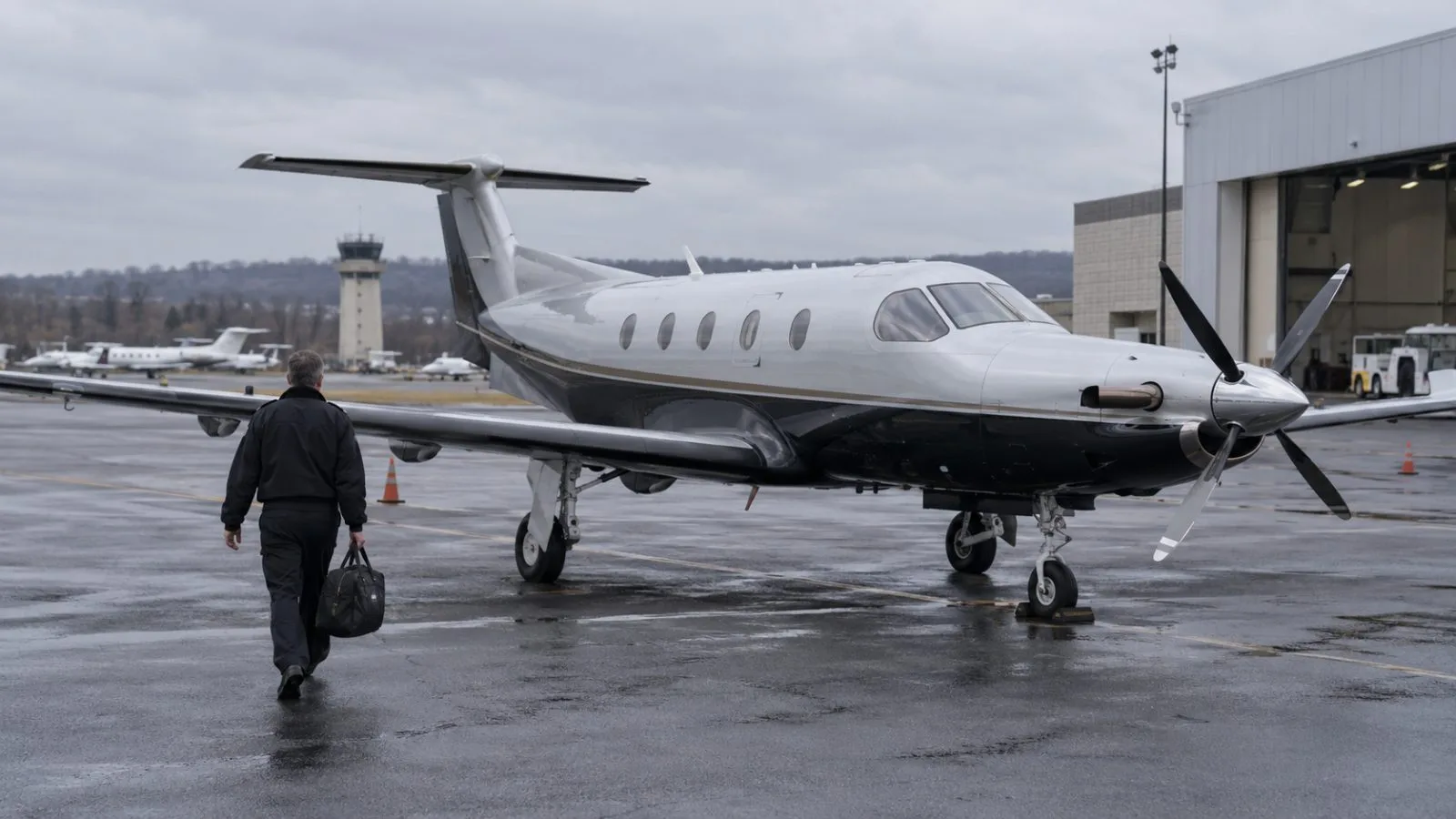
Aid being loaded onto cargo flight, credit: IHC

In terms of future action, while widespread and deepening global vulnerabilities can make humanitarian responders pessimistic, the IHC’s optimism comes from a deep understanding of what needs to be done to reverse the deficit.
DIHAD 2023 demonstrated that many of our colleagues in the private sector and at leading NGOs, governmental bodies, and academic and research institutes are similarly realistic about the task at hand and supportive of the City’s mission. We are also confident that the COP28 Summit, running from November to December in Dubai, will drive further progress in this regard.
This spirit of collaboration must be kept alive, and if you are an organisation committed to sustainable development and a safer, less brutal world then I encourage you to join the humanitarian fight. It’s a battle that we simply must win.
There’s no Plan B for planet earth; we are all bound by this reality and no one can justify taking a backwards step.
This article does not necessarily reflect the opinions of the editors or management of EconoTimes