


 Cardano Price Drops 15% as Whales Sell 110 Million ADA
  Gold Prices Fall Amid Rate Jitters; Copper Steady as China Stimulus Eyed
  UBS Predicts Potential Fed Rate Cut Amid Strong US Economic Data
  S&P 500 Relies on Tech for Growth in Q4 2024, Says Barclays
  China's Refining Industry Faces Major Shakeup Amid Challenges
  Gold Prices Slide as Rate Cut Prospects Diminish; Copper Gains on China Stimulus Hopes
  Dogecoin Price Rebounds as DOGE Defends $0.08 Support
  XRP Price Drops 3% Despite Ripple-Backed Evernorth Nasdaq Debut
  Arthur Hayes Announces FLOP Testnet Launch Within Weeks
  UBS Projects Mixed Market Outlook for 2025 Amid Trump Policy Uncertainty
  European Stocks Rally on Chinese Growth and Mining Merger Speculation
  Urban studies: Doing research when every city is different
  Moody's Upgrades Argentina's Credit Rating Amid Economic Reforms
  Oil Prices Dip Slightly Amid Focus on Russian Sanctions and U.S. Inflation Data
  Ripple Mints 19.6 Million RLUSD Amid Banking Expansion
  Zcash Price Analysis: Can ZEC Rebound Above $1,300?


 Add as a preferred source on Google
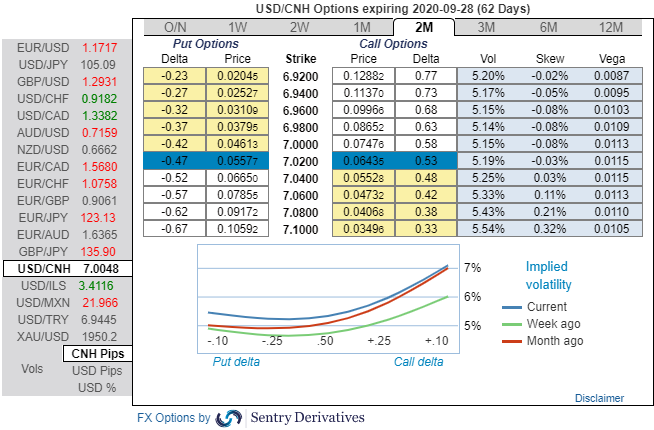
The dollar tended to strengthen in the past few rounds of trade tensions; however, at this juncture dollar has been falling like a stone although the US-China relations are sour. Putting this into CNY's perspective, this will translate into a somewhat lesser depreciation pressure versus USD, while the sentiment might still drive the Chinese currency to the weak side.
As a result, CNY will depreciate more against non-USD currencies, such as EUR. For those operating in China while importing machines from Germany, this is certainly not a piece of good news.
However, for the Chinese authorities, this might create a "sweet spot" for them - They don't need to worry about capital outflows that could be triggered by expectations of large depreciation, and a relatively weak currency would benefit the export sector which actually employ millions of workers. All told, there seems no directional trend for the CNY but downside risks in the medium-term.
OTC Outlook & Hedging Strategy:
Please be informed that the positively skewed USDCNH IVs of 3m tenors still indicate the upside risks, they are still bids for OTM call strikes up to 7.10 levels.
At this juncture, we uphold our shorts in CNH on hedging grounds via 3-month (6.96/7.15) debit call spread. If the scenario outlined above unfolds, we will re-assess our stance but at the moment there are no changes to our CNH recommendations, (spot reference: 7.0048). Courtesy: Sentry & Commerzbank







