The Group of Seven (G7) nations on Friday urged India and Pakistan to show maximum restraint and engage in direct dialogue as tensions escalate between the two nuclear-armed countries over recent violence in Kashmir.
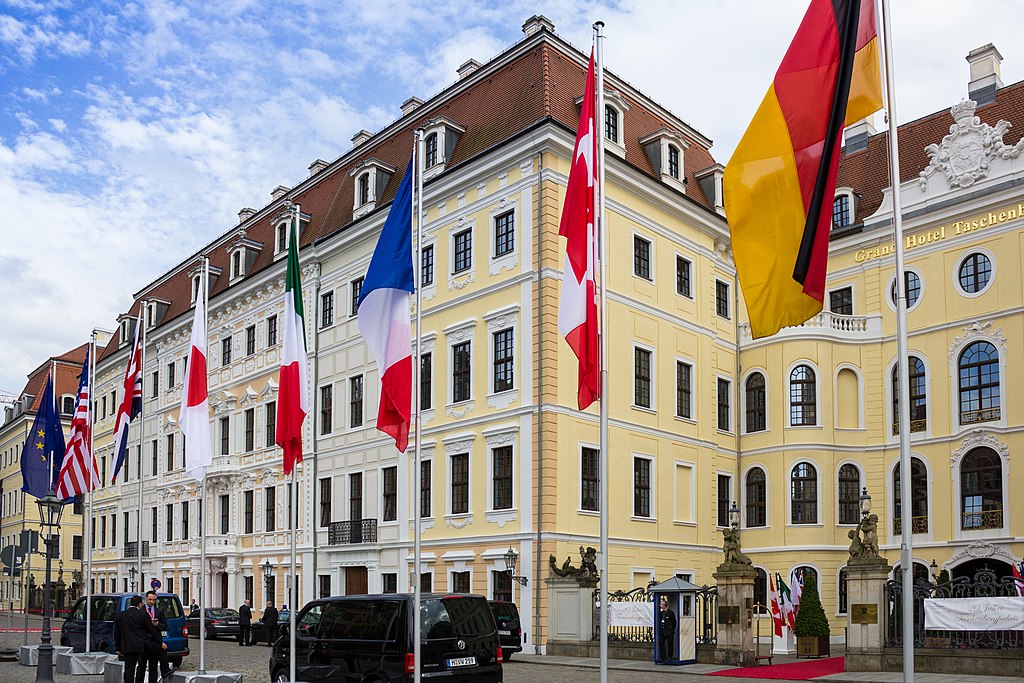
In a joint statement released by Canada, the foreign ministers of the G7 countries — Canada, France, Germany, Italy, Japan, the United Kingdom, the United States — and the European Union condemned the April 22 attack in Indian-administered Kashmir that killed several tourists. The group stressed the importance of avoiding further conflict, calling on both nations to pursue peaceful resolution.
“We strongly condemn the terrorist attack and urge maximum restraint from both India and Pakistan,” the statement read. “We call for immediate de-escalation and encourage both countries to engage in direct dialogue.”
Tensions have soared since Wednesday, when India conducted airstrikes on alleged militant bases inside Pakistan. India claims the strike was in retaliation for the April 22 attack, which it blames on Pakistan-based groups. Pakistan denies involvement and has vowed to respond to what it calls unprovoked aggression.
The ongoing conflict over Kashmir — a region claimed in full by both India and Pakistan but controlled in parts by each — remains a flashpoint for the two nations, both of which possess nuclear capabilities. Recent cross-border skirmishes have heightened fears of a broader confrontation.
As the international community watches closely, the G7's unified call for restraint and diplomacy underscores growing concern about the potential for further escalation in South Asia.